






















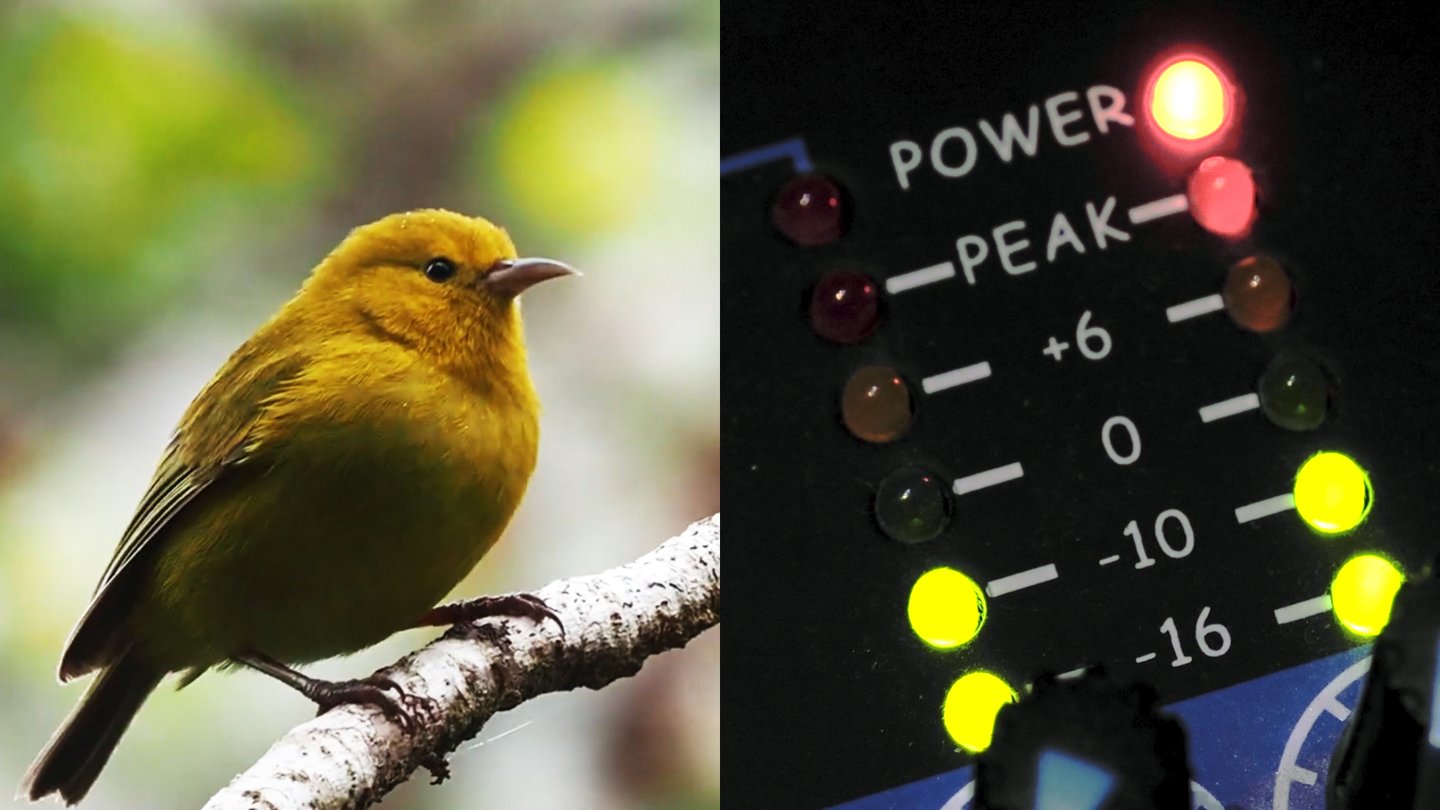
Google DeepMind’s Enhanced AI Model Perch Revolutionizes Bioacoustic Data Analysis
In a groundbreaking development, Google DeepMind has announced the release of an updated version of their artificial intelligence model, Perch. This advanced AI tool is designed to aid conservationists in the analysis of bioacoustic data gathered from a variety of ecosystems. The latest update broadens Perch’s capabilities, allowing it to interpret audio data from an extensive array of animal species, ranging from the vibrant birds known as Hawaiian honeycreepers to the diverse soundscapes of coral reefs.
The Challenge of Bioacoustic Data
Bioacoustics is a field that involves the study of sound production and perception in animals, which offers a unique window into the lives of species inhabiting our planet. Researchers employ a network of microphones and underwater hydrophones to capture these intricate soundscapes, which are rich with animal vocalizations. The volume and complexity of data collected can be overwhelming, presenting a significant challenge for scientists who aim to decipher it to conserve and protect endangered species.
Conservationists are increasingly turning to technology to help them make sense of this massive influx of data. This is where Perch steps in, providing a powerful resource to transform raw audio data into meaningful insights. By automating the analysis process, Perch allows researchers to concentrate more on fieldwork and less on data processing.
Perch: A Tool for Conservation
Perch is an open model that is accessible on Kaggle, a platform renowned for its data science competitions and collaborative projects. The availability of Perch on Kaggle underscores Google DeepMind’s commitment to open science and the democratization of technology for the greater good. By providing this tool to the public, DeepMind enables a wider range of researchers and conservationists to leverage the power of AI in their work.
The versatility of the new Perch model is particularly noteworthy. It has been generalized to accommodate a broader spectrum of animal sounds, making it an invaluable asset for researchers studying diverse ecosystems. This expansion of capability means that scientists can now use a single model to analyze audio data from various habitats, enhancing efficiency and effectiveness in biodiversity monitoring.
How Perch Works
At its core, Perch uses advanced machine learning algorithms to identify and classify animal sounds. It processes audio recordings, isolating specific vocalizations and distinguishing between different species. This process not only speeds up data analysis but also increases accuracy, reducing the likelihood of human error.
For instance, when dealing with the complex symphony of sounds found in a coral reef, Perch can differentiate between the calls of different marine species, providing researchers with a clearer understanding of the ecosystem’s health. Similarly, in a forest environment, Perch can separate bird calls from background noise, allowing scientists to monitor bird populations more effectively.
Implications for Conservation Efforts
The enhanced capabilities of Perch have significant implications for conservation efforts worldwide. By streamlining the analysis of bioacoustic data, Perch enables more timely and informed decision-making. This is crucial for the protection of endangered species, as it allows for quicker responses to environmental changes or threats.
Moreover, the insights gained from Perch can inform conservation strategies, guiding efforts to preserve habitats and support species recovery. The ability to monitor ecosystems in real-time provides a dynamic approach to conservation, one that can adapt to the ever-changing conditions of our natural world.
Broader Impact and Future Prospects
The release of the updated Perch model highlights the potential of AI in addressing some of the most pressing environmental challenges of our time. As technology continues to evolve, tools like Perch will play an increasingly vital role in conservation science.
In addition to its applications in biodiversity monitoring, the success of Perch may inspire further innovations in the use of AI for ecological research. The principles behind Perch’s design could be adapted to develop models for other forms of environmental data analysis, such as satellite imagery or climate data.
Conclusion
Google DeepMind’s latest version of Perch represents a significant advancement in the field of bioacoustics and conservation technology. By enhancing the ability of researchers to analyze complex audio data from diverse ecosystems, Perch is helping to safeguard the planet’s biodiversity. As we continue to face global environmental challenges, the integration of AI in scientific research holds promise for a more sustainable future.
For those interested in exploring the capabilities of Perch further, more information is available on the Google DeepMind blog. This resource provides valuable insights into the development and application of Perch, offering a glimpse into the future of AI-driven conservation efforts.
For more Information, Refer to this article.