




















Promoting Coordination and Safety in Space: The Need for Improved Satellite Communication
In the rapidly evolving domain of space technology, satellite operators are increasingly recognizing the necessity of establishing robust channels of communication to ensure space safety and avoid potential collisions. This was a focal point of discussion during a panel held on September 30 at the International Astronautical Congress in Sydney, where representatives from satellite constellation operators in both the United States and China emphasized the importance of coordination for maintaining safe operations in space.
David Goldman, the Vice President of Satellite Policy at SpaceX, underscored the critical need for satellite operators to share orbital ephemerides—data that indicate the positions and velocities of satellites in orbit. "This information sharing is crucial for mitigating risks in space," he noted. The lack of communication, he explained, often results in satellites being launched into operational orbits of other systems without prior coordination, which can lead to dangerous situations.
Goldman pointed out that the major challenge isn’t typically with other large constellation operators. For instance, SpaceX and Amazon have established a close working relationship to ensure their satellites operate harmoniously. This cooperation is particularly evident when Amazon launches its Project Kuiper satellites, which traverse through layers of SpaceX’s Starlink satellites to reach their designated operational orbits. "Because we maintain continuous communication, issues have been minimal," Goldman stated, emphasizing that effective collaboration allows for the safe operation of numerous satellites.
Josef Koller, the head of space safety and sustainability for Amazon’s Project Kuiper, echoed this sentiment. He highlighted the comprehensive exchange of information between the two companies, including sharing orbital data and maneuver plans. However, Koller expressed concerns about the lack of communication with other satellite operators. According to his estimates, Kuiper orbits are traversed by approximately 1,500 operational payloads, yet Amazon only has contact information for about half of these entities. "This creates an unsafe environment," he remarked, stressing the criticality of sharing contact information to facilitate communication about satellite maneuvers.
Peng Zhang, General Manager of the Solutions Department at GalaxySpace, a Chinese satellite operator, reported facing similar challenges. "While we can easily identify contacts for frequency coordination, finding the right people to discuss satellite operations remains difficult," he explained.
To address these challenges, industry leaders have proposed using the International Telecommunication Union (ITU) as a platform for information sharing. David Goldman suggested that the ITU could play a pivotal role in fostering trust and facilitating communication among satellite operators worldwide. "There are significant trust issues between operators from different countries," Goldman noted, adding that the ITU could provide a neutral ground for exchanging vital information.
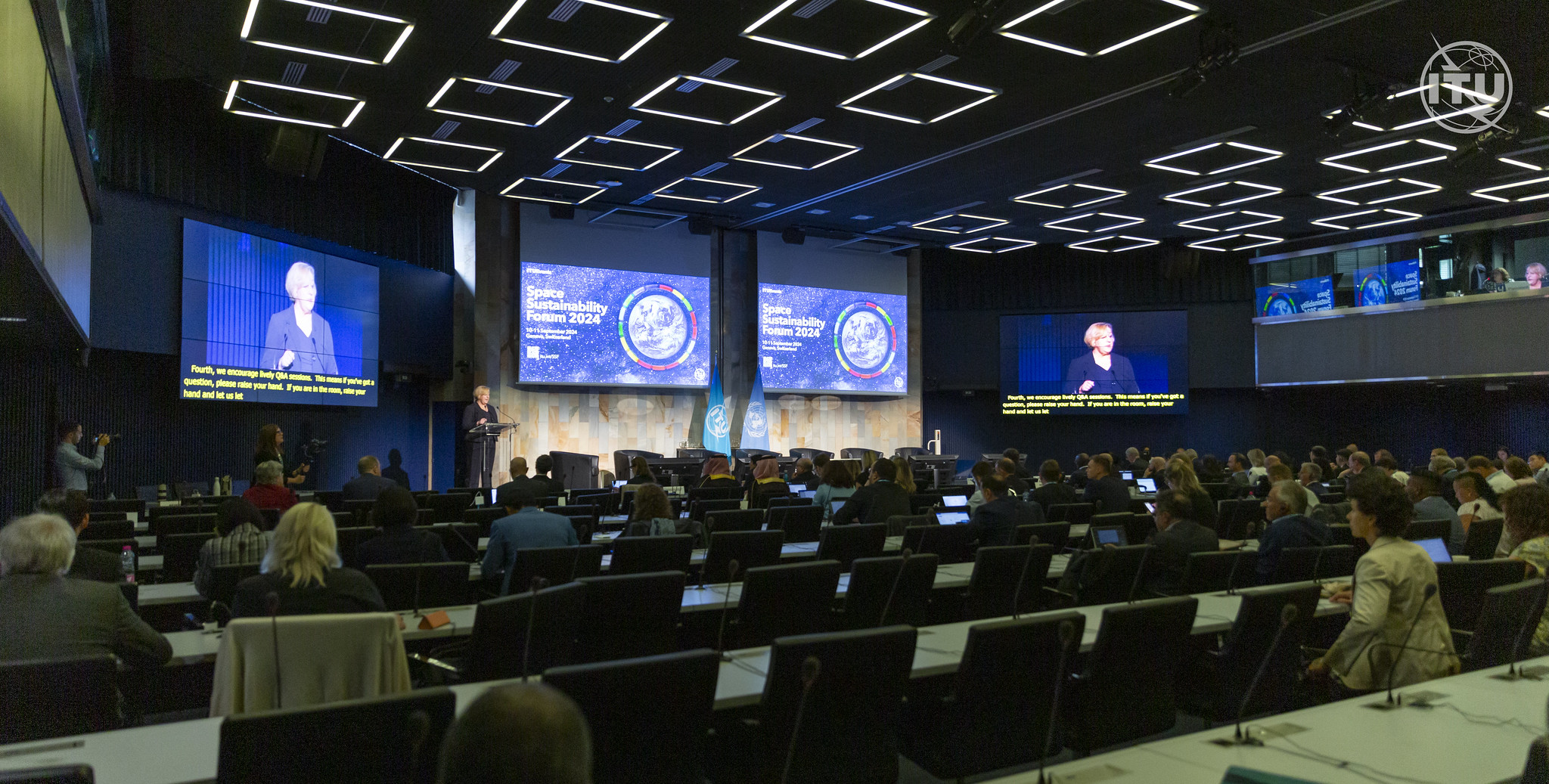
The ITU is set to host its second Space Sustainability Forum in Geneva next week, where enhancing communication among operators will be a key topic. Jorge Ciccorossi, head of the Space Strategy and Sustainability Division at the ITU Radiocommunication Bureau, explained that one of the forum’s objectives is to facilitate the exchange of direct contact points among key Low Earth Orbit (LEO) operators. "This will involve requesting member states and satellite operators to submit information that the ITU can make accessible online," Ciccorossi said, highlighting the importance of having quick access to such data.
"Certainty and transparency are fundamental pillars for achieving sustainability in space," Ciccorossi added. He pointed out that improved communication could also help address radio-frequency interference issues among operators.
While there was broad agreement on the importance of sharing contact information, opinions diverged regarding additional measures the ITU should undertake to promote space safety. Peng Zhang suggested the development of a "code of conduct" for satellite operators, though he did not provide further details.
Conversely, David Goldman cautioned against hastily implementing regulations. "Imposing regulations without a comprehensive understanding of the issues can lead to counterproductive outcomes," he warned. He recommended that the ITU focus on enhancing communication among operators, noting the slow pace of regulatory development at World Radiocommunication Conferences, which occur every four years. "By the time regulations are enacted, the issues may have already evolved," he explained.
Goldman concluded that the ITU’s role as a facilitator of communication is "the single best action we can take to reduce risks in space." By fostering a cooperative environment, the ITU can help ensure the safe and sustainable operation of satellites, ultimately benefiting the entire space industry.
This discussion comes at a critical time as the number of satellites in orbit continues to grow exponentially. The proliferation of satellite constellations increases the potential for collisions, making effective communication and coordination more important than ever. As satellite operators and international regulators work together to address these challenges, the safety and sustainability of space operations will remain a top priority.
For further details on the upcoming Space Sustainability Forum, interested parties can visit the ITU’s official website.
In conclusion, as the space industry continues to expand, fostering open communication and collaboration among satellite operators will be crucial to ensuring the safety and sustainability of our increasingly crowded orbital environment. By leveraging platforms like the ITU and working together, operators can mitigate risks and pave the way for a more secure future in space exploration and utilization.
For more Information, Refer to this article.



![[Video] Samsung Spatial Signage: How To Make Your Brand Stand Out in Crowded Spaces](https://www.hawkdive.com/media/samsung-tvs-and-displays-samsung-spatial-signage-samsung-vxt_thumb932-218x150.jpg "Samsung Spatial Signage: Elevate Your Brand in Crowded Environments")