





















A New Era for Florida’s Space Coast: Celebrating 100 Launches
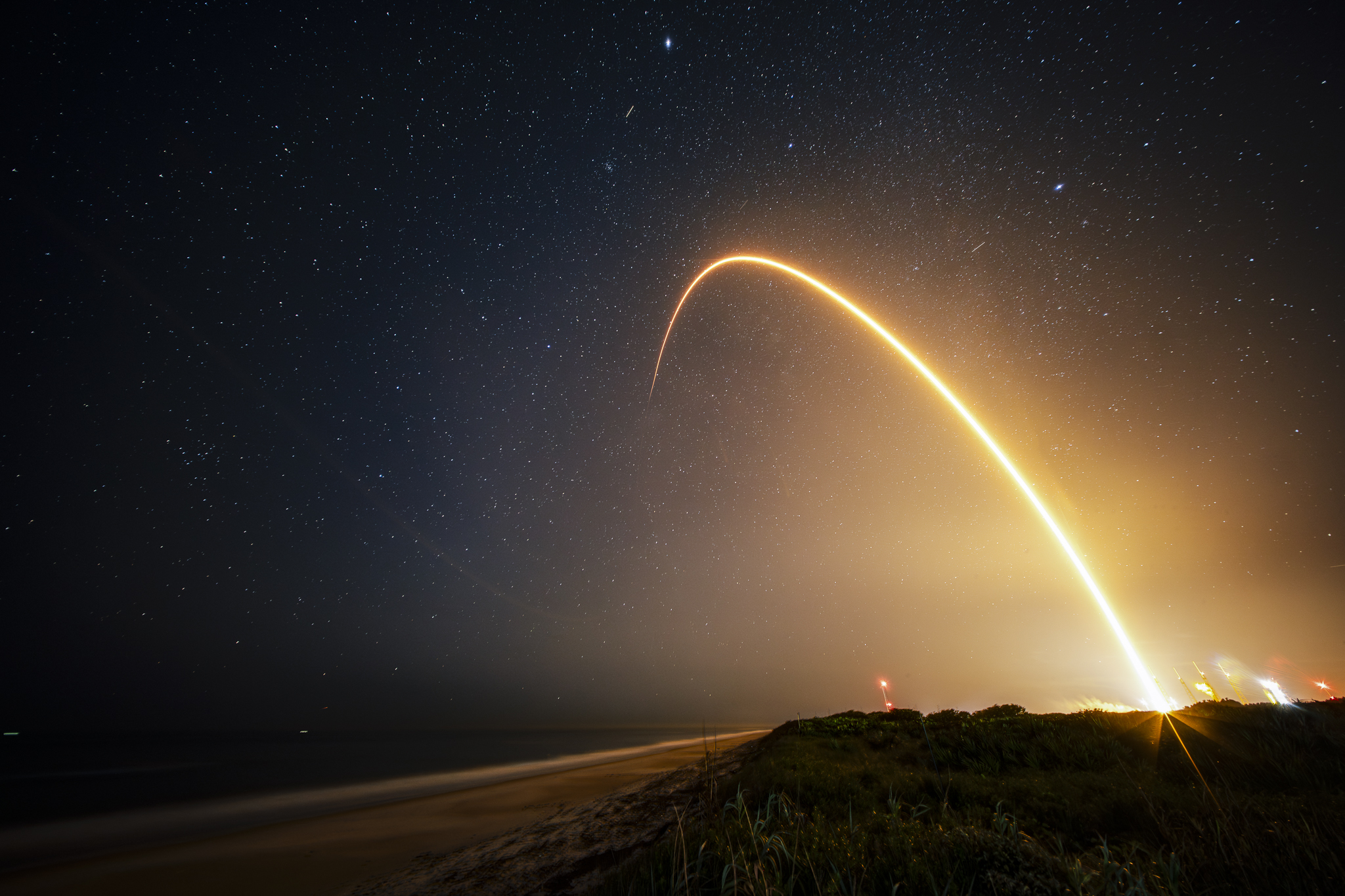
In a historic achievement, Florida’s Space Coast has experienced a remarkable milestone, marking its 100th orbital launch in a single year. This milestone was reached with the Starlink mission on November 20, 2023, marking the first time Cape Canaveral and Kennedy Space Center have reached triple-digit launch activities within a calendar year. This remarkable feat highlights the dynamic growth and transformation of the space industry in Florida, and it signals a new era of space exploration and commercial launches.
Colonel Brian Chatman, the commander of Space Launch Delta 45, emphasized that this level of activity is expected to continue in the future. "Next year, we anticipate planning for around 100 to 115 launches," he stated. This increased pace presents both opportunities and challenges for the Space Force and the launch companies operating from the Eastern Range, which comprises assets and infrastructure dating back to the Apollo era. To keep up with this accelerated pace, a comprehensive modernization effort is essential.
Preparing for the Starship Era
Colonel Chatman assumed command of Space Launch Delta 45 in June, and he recently outlined the focus for the coming year. The main objective will be to map out infrastructure upgrades and implement operational changes to accommodate the growing number of launches and new providers. SpaceX’s consistent schedule of Starlink flights remains a significant driver of launch volume. However, the landscape is evolving. United Launch Alliance (ULA) is expected to increase the frequency of its Vulcan rocket launches, while Blue Origin plans to ramp up its New Glenn flights. Furthermore, SpaceX aims to introduce its next-generation Starship to Florida. These developments will increase the launch cadence and add complexity to operations.
Supporting these efforts, Congress approved a substantial investment of $1.3 billion through 2028 for an initiative known as the "Spaceport of the Future." This represents the largest investment in Cape infrastructure in three decades. Next month, Space Launch Delta 45 and NASA’s Kennedy Space Center plan to meet with launch providers to discuss necessary changes and address potential bottlenecks that could hinder future operations.
Enhancements in Safety and Efficiency
One practical change already in progress involves relocating offices and workspaces away from active launch complexes and into a dedicated industrial area. Currently, personnel often need to evacuate launch pads and nearby buildings for safety reasons, which can disrupt daily operations. By moving these functions to a separate area, operations can continue uninterrupted, even as rockets are prepared for launch.
Additionally, security checkpoints are being upgraded to enhance efficiency. The base is incorporating digital scanners to expedite vehicle inspections. Trucks transport a wide range of materials, including propellants, cryogenic fluids, and telecommunications equipment. Faster inspections mean a smoother flow of these essential supplies, often referred to as "commodities," needed to prepare rockets for launch.
Another significant improvement involves the use of Automated Flight Termination Systems (AFTS) for all providers except ULA’s Atlas 5. These systems can detect anomalies and self-terminate without requiring ground commands, reducing the time needed between missions. This results in shorter "deconfliction" periods, which are the buffer times required to reset and verify safety systems between launches.
Challenges of Multi-Provider Launches
Deconfliction becomes more complex when launches involve different providers. Each rocket type utilizes different radio frequencies, necessitating careful scheduling to avoid interference. Additionally, various rockets require different commodities, such as unique propellants or specialized ground support equipment. SpaceX can conduct two Falcon missions within hours of each other due to its highly standardized operations. However, Blue Origin and ULA use distinct infrastructure, resulting in longer planning and pad turnaround times.
A New Support Contract for Modernization
To manage the necessary range improvements, the Space Force has awarded the Space Force Range Contract to Amentum, a 10-year agreement valued at up to $4 billion. This contract encompasses maintenance, sustainment, engineering, and integration work across both the Eastern Range in Florida and the Western Range at Vandenberg Space Force Base in California.
While Colonel Chatman could not provide specific details about the contract, as it is still in the early transition phase, he emphasized the need for a comprehensive review of the facilities. The current infrastructure consists of assets that have been in place since the Apollo era, requiring ongoing maintenance and upgrades to ensure the availability of telemetry, safety, and termination systems. Space Launch Delta 45 is collaborating with Space Systems Command to define what the "range of tomorrow" should look like.
Anticipating Starship Launches
A significant change on the horizon is SpaceX’s plan to begin launching the Starship from Florida. This massive vehicle necessitates dedicated launch pads, ground systems, commodity lines, and safety analyses. "We are working in partnership with Kennedy Space Center to develop launch complexes for Starship operations," Colonel Chatman explained. "KSC is taking the lead with Space Launch Complex 39A and collaborating with SpaceX to support Starship development."
The range anticipates that Starship operations will commence in early to mid-2026, with the necessary infrastructure ready to support these launches at that time.
This milestone year for Florida’s Space Coast underscores the region’s critical role in the global space industry. As the number of launches continues to rise, the commitment to modernizing infrastructure and enhancing operational efficiency remains paramount. By embracing these changes, Florida’s Space Coast is poised to lead the way in the next chapter of space exploration and commercial launches.
For more details on this development, you can visit SpaceNews.
For more Information, Refer to this article.