






















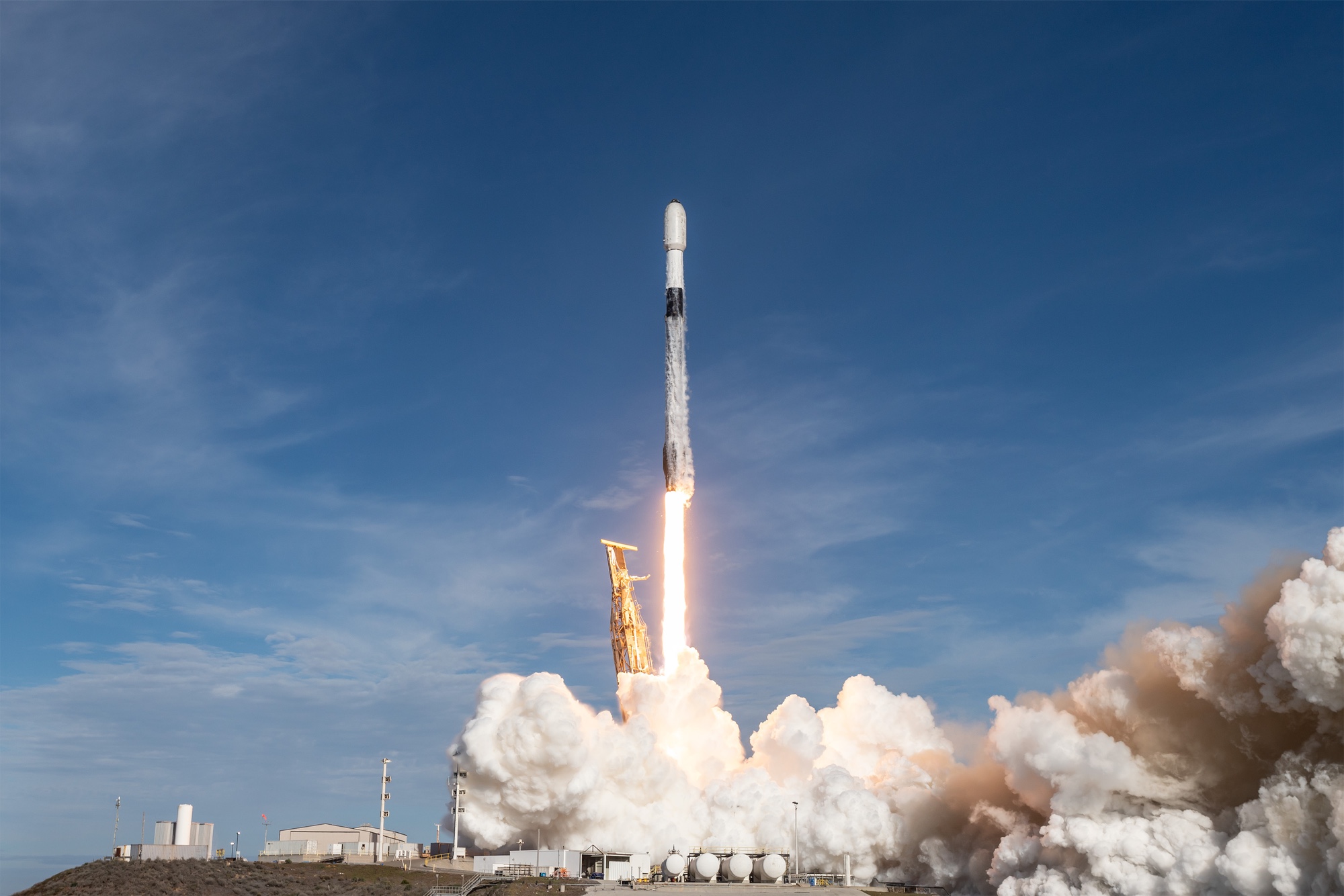
U.S. Space Force Prioritizes National Security in New Launch Infrastructure Guidelines
The U.S. Space Force has unveiled a set of comprehensive guidelines outlining how it will manage the allocation of limited launch infrastructure and range resources at America’s key spaceports. As commercial space endeavors continue to expand, the Space Force has emphasized that national security missions will be prioritized whenever capacity constraints arise. This decision reflects the increasing demand for launch facilities amid a burgeoning commercial space sector and underscores the critical importance of security-related missions for national interests.
Rising Demand and Infrastructure Challenges
The commercial space industry is experiencing unprecedented growth, driven by innovations in satellite technology, space exploration ventures, and the expanding interest in space tourism. This surge in activity has led to increased demand for launch services, placing a strain on existing infrastructure at key U.S. spaceports such as Cape Canaveral in Florida and Vandenberg Space Force Base in California. The challenge lies in balancing the needs of commercial entities with the imperative to secure national defense missions.
New Guidelines and Their Implications
The guidelines issued by the U.S. Space Force serve as a strategic framework for managing these competing demands. They establish a clear hierarchy of priorities, with national security launches taking precedence over commercial efforts when conflicts over spaceport resources occur. This move ensures that critical defense-related launches remain uninterrupted, safeguarding the country’s strategic interests in space.
The guidelines are a significant step in formalizing the coordination between military and commercial space operations. By setting clear parameters for resource allocation, the Space Force aims to minimize potential conflicts and optimize the use of existing infrastructure.
Understanding Spaceport Resource Allocation
To fully appreciate the implications of these guidelines, it’s helpful to understand the concept of spaceport resource allocation. Spaceports are complex facilities that support various types of launch activities, from satellite deployments to manned missions. Key components include launch pads, vehicle assembly buildings, fueling stations, and tracking systems. Each element is essential for a successful launch, and their availability can become a bottleneck when demand peaks.
The U.S. Space Force’s guidelines are designed to manage these resources efficiently, ensuring that vital components are reserved for missions of national importance. This approach not only preserves national security but also provides a structured pathway for commercial entities to plan their launches around these priorities.
Balancing National and Commercial Interests
While national security is paramount, the Space Force recognizes the valuable contributions of the commercial sector to the national space agenda. Commercial enterprises play a crucial role in innovation, economic growth, and the overall advancement of space technology. Therefore, the guidelines also emphasize collaboration and communication between military and commercial partners to facilitate shared use of spaceport infrastructure.
By fostering a cooperative environment, the Space Force aims to support the growth of the commercial space industry while maintaining the integrity of national defense operations. This dual focus ensures that the U.S. remains a leader in both military and civilian space endeavors.
Industry Response and Future Prospects
The announcement of the new guidelines has been met with a mix of reactions from industry stakeholders. Some commercial players welcome the clarity provided by the Space Force, as it enables better planning and resource management. Others, however, express concerns about potential delays in their launch schedules due to the prioritization of military missions.
Despite these concerns, the guidelines are seen as a necessary step in addressing the realities of a rapidly evolving space landscape. As the commercial space sector continues to expand, the need for a well-defined framework becomes increasingly urgent.
Looking ahead, the guidelines may serve as a blueprint for future policy developments in space resource management. As technology advances and new players enter the market, the balance between national security and commercial interests will require ongoing assessment and adaptation.
Good to Know: The Role of Spaceports in National Security
Spaceports are critical components of national security infrastructure. They enable the launch of military satellites that perform vital functions such as surveillance, communications, and navigation. These capabilities are essential for modern defense operations, providing real-time data and connectivity to military forces around the globe.
In addition, spaceports support the testing and deployment of advanced defense technologies, including missile defense systems and space-based sensors. By prioritizing national security missions, the Space Force ensures that these capabilities remain robust and effective.
Conclusion
The U.S. Space Force’s new guidelines represent a strategic approach to managing the nation’s valuable spaceport resources. By prioritizing national security while fostering collaboration with the commercial sector, the Space Force aims to maintain a delicate balance that supports both defense objectives and industry growth. As the space domain continues to evolve, these guidelines will play a key role in shaping the future of U.S. space operations.
For more insights and updates on space policy and technology, visit SpaceNews.
For more Information, Refer to this article.