




















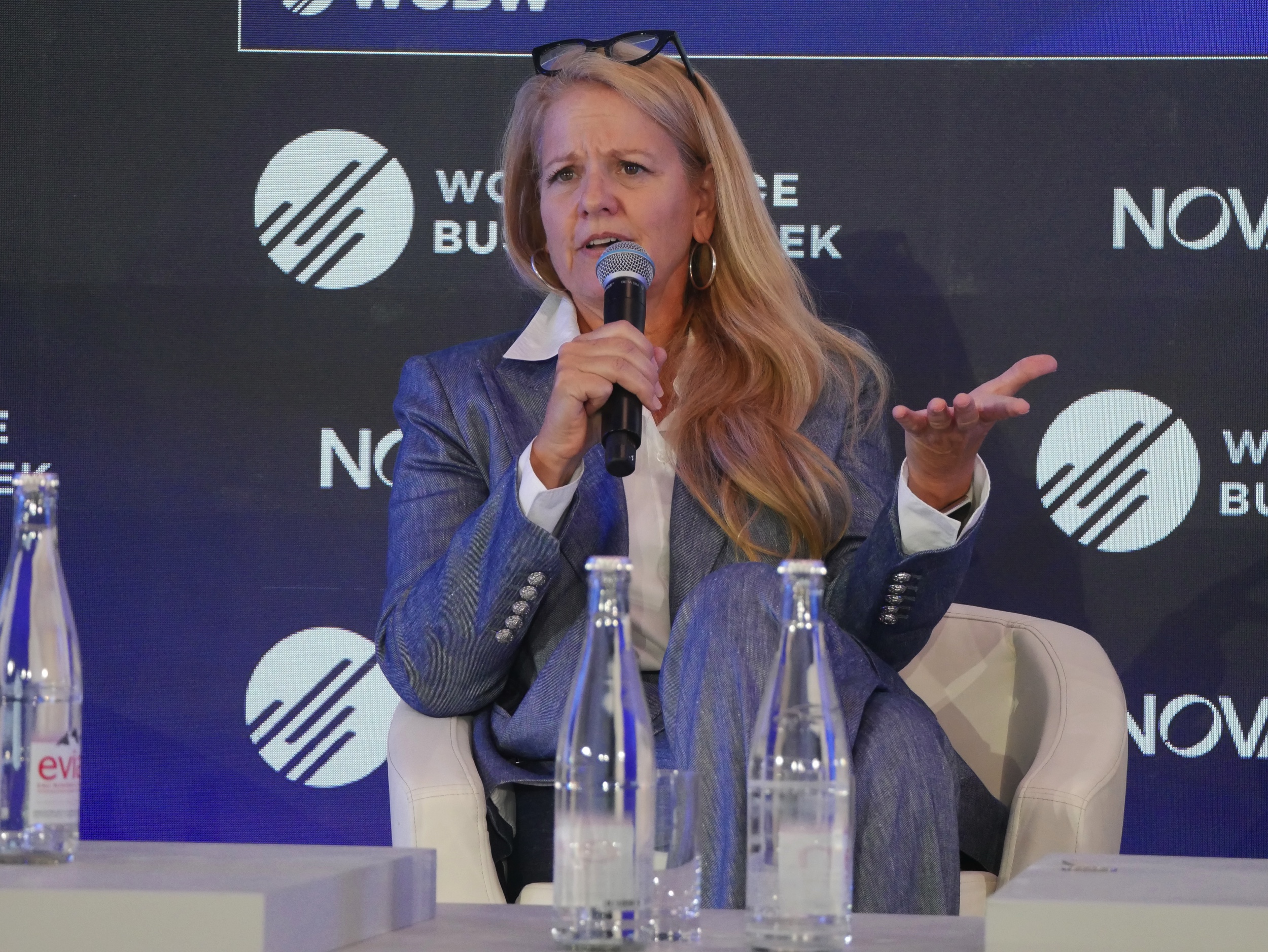
In a significant development from SpaceX, the company plans to commence testing direct-to-device services by utilizing newly acquired spectrum from EchoStar. SpaceX President Gwynne Shotwell made this announcement at the World Space Business Week conference held on September 16. The ambitious project will see SpaceX working alongside technology and telecom partners to leverage the S-band spectrum it purchased for a substantial $17 billion deal involving cash and stock just last week.
SpaceX is setting its sights on launching a next-generation fleet of satellites, specifically designed to cater to this new spectrum. These satellites will have payloads compatible with the EchoStar spectrum, enabling SpaceX to integrate them seamlessly into its current infrastructure. The goal is to begin testing these direct-to-device services on smartphones by late next year, with an eye towards full deployment in two years.
The journey to bring this vision to life involves significant collaboration with various stakeholders. SpaceX is actively engaging with chip manufacturers to develop the necessary components that will allow smartphones to utilize this new spectrum. These partnerships are crucial as they will ensure the devices are equipped with the right technology to communicate with the satellites effectively.
Moreover, SpaceX is looking to forge new agreements with mobile network operators. In the past, the company has worked with these operators using terrestrial mobile spectrum for similar services. However, with the acquisition of the EchoStar spectrum, SpaceX aims to provide capacity on a wholesale basis to these operators, streamlining the process and making it more efficient than the previous method, which involved negotiating individual spectrum rights with each operator.
One of the significant advantages of the EchoStar spectrum is its global clearance, alleviating the issues faced with crossing international borders where different licensed spectrums have to be leveraged. Shotwell emphasized that this acquisition marks the beginning of substantial work, as SpaceX prepares to roll out this promising technology.
The path to acquiring this spectrum began about a year ago when SpaceX approached EchoStar and its chairman, Charlie Ergen. Shotwell shared that conversations with Ergen spanned several months, ultimately leading to the realization that collaboration on the spectrum was the best course of action.
In addition to the direct-to-device services, SpaceX is also making strides in the development of its Starship program. Future versions of Starlink satellites are anticipated to launch on SpaceX’s Starship, which is currently under development. The Starship recently completed a largely successful test flight on August 26, marking a significant achievement for the company after previous test flights encountered mission-ending anomalies.
This recent success has invigorated the SpaceX team, particularly the Starship division, as they prepare for the upcoming launch of version 3 of the Starship. This more powerful iteration is slated for its first launch late this year or early next year, positioning itself as a potential vehicle for human missions to the moon and Mars.
A critical milestone for version 3 will be demonstrating the capability to transfer propellant between Starships in low Earth orbit. This technology is vital for refueling missions beyond low Earth orbit (LEO) and represents a significant technological challenge alongside the development of an effective heat shield.
Shotwell expressed confidence in SpaceX’s ability to dock Starships, drawing on the company’s experience with Dragon missions to the International Space Station. However, the primary concern lies in the actual process of transferring propellant. The team is focused on ensuring that the propellant is cold enough to facilitate the transfer, which will be a crucial experiment in the coming year.
In conclusion, SpaceX’s latest initiatives underscore its commitment to pushing the boundaries of space technology. The acquisition of the EchoStar spectrum not only positions the company to revolutionize direct-to-device services but also enhances its capabilities in satellite technology. Meanwhile, the advancements in the Starship program highlight SpaceX’s ongoing efforts to make space travel more accessible and sustainable. As these projects unfold, they promise to bring significant advancements in telecommunications and space exploration, paving the way for a new era of connectivity and exploration.
For more Information, Refer to this article.