






















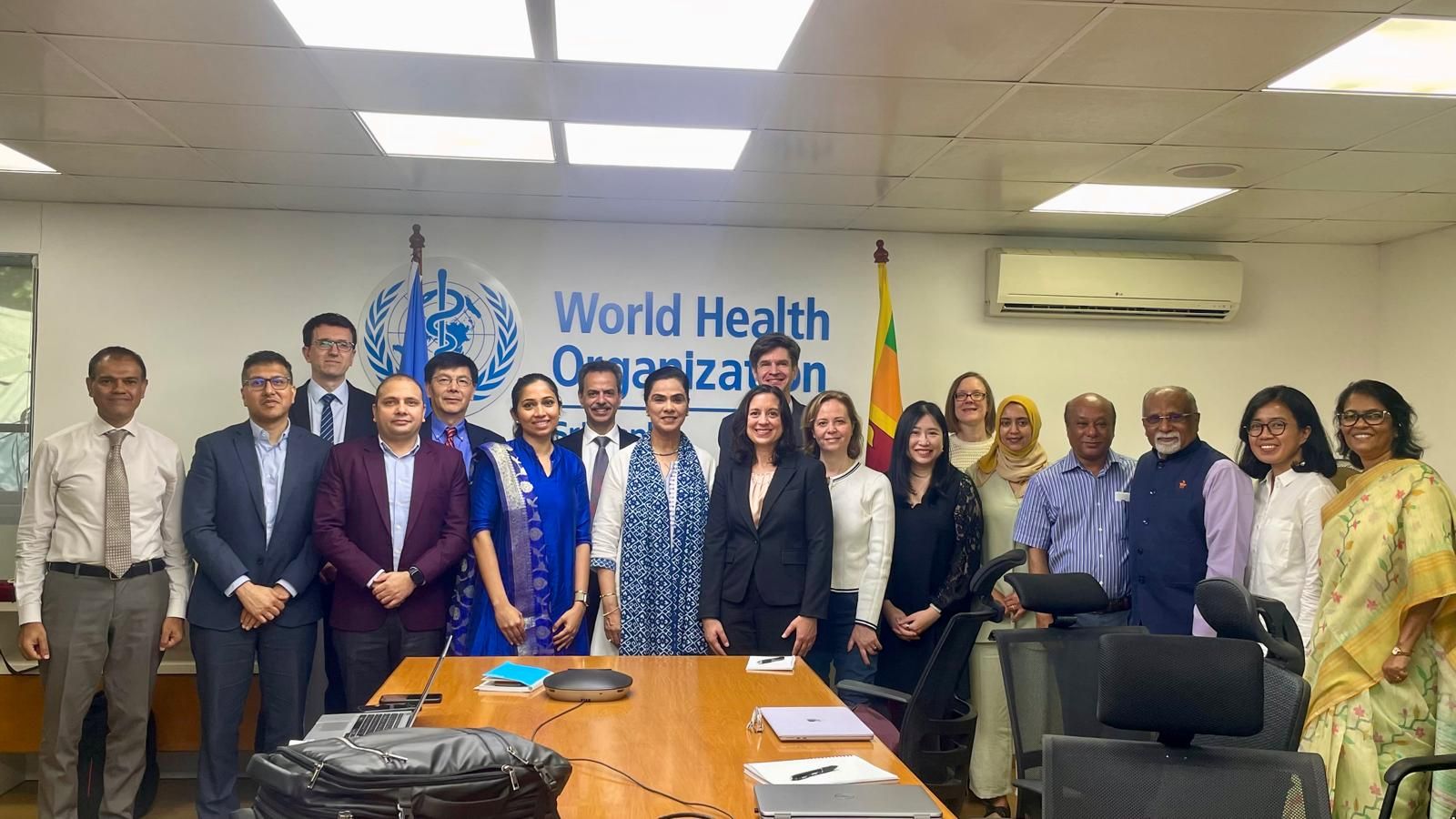
In an impressive display of healthcare advancement, Sri Lanka has achieved significant progress in the fight against cancer over the past five years. This progress has been highlighted by an international review that examined the country’s efforts in cancer control, particularly focusing on human papillomavirus (HPV) vaccination, cervical cancer screening, and the enhancement of treatment services and palliative care. As the nation looks forward, it plans to tackle the rising challenge of oral cancers and to reinforce its childhood cancer programs as a critical component of its forthcoming health strategy.
Key Insights from the imPACT Review
The comprehensive review was conducted under the auspices of the imPACT Review, a collaborative effort by the International Atomic Energy Agency (IAEA), the World Health Organization (WHO), and the International Agency for Research on Cancer (IARC). Additional technical expertise was contributed by renowned institutions such as St. Jude Children’s Research Hospital and the MD Anderson Cancer Center, both based in the United States.
The findings of the review were based on an in-depth evaluation of Sri Lanka’s cancer management capabilities and developments since a prior assessment in 2019. The previous evaluation had been instrumental in shaping the National Strategic Plan on Prevention and Control of Cancer, which covered the years 2020 to 2024.
Composition and Focus Areas of the Review Team
The 2025 review team was composed of 17 international experts, nominated by the three leading organizations. The areas of evaluation, identified in cooperation with the Sri Lankan Ministry of Health, encompassed a wide spectrum of cancer management aspects. These included preventive measures at the primary care level, early detection initiatives, cancer services in major hospitals, and the capacity and requirements of the oncology workforce.
Progress and Achievements
Arsen Juric, the IAEA Programme Officer and leader of the imPACT review team, emphasized the significant advancements observed across various stages of cancer care. "We noted key areas of progress in the past five years across the continuum of care, including in prevention and access to treatment services," Juric stated.
One of the standout achievements was the remarkable increase in the first dose HPV vaccination coverage, which exceeded 90% by 2022. Similarly, cervical cancer screening efforts have also seen a substantial rise, surpassing the 50% mark. Additionally, considerable improvements have been made in clinical services, including the installation of new radiation therapy machines and the establishment of outpatient chemotherapy services. Furthermore, palliative care consultation services have expanded, now being available in 11 institutions. A network of 230 public health nursing officers is providing essential palliative home care, underscoring the nation’s commitment to comprehensive cancer management.
Strategic Planning and Future Directions
Asela Gunawardena, the Director General of Health Services at Sri Lanka’s Ministry of Health and Mass Media, emphasized the importance of the review’s recommendations. "The recommendations from the review are timely and will help to inform the new National Strategic Plan on Cancer Control, set to take effect from 2025, as well as the National Health Strategic Master Plan 2026-2035," Gunawardena remarked. The path forward is pivotal for Sri Lanka as it endeavors to address the escalating burden of cancer and to enhance health outcomes for its citizens.
Addressing Future Challenges
The upcoming health strategy will not only focus on sustaining the progress achieved in HPV and cervical cancer initiatives but will also prioritize addressing the growing incidence of oral cancers. This is crucial as oral cancers pose a significant public health challenge, particularly in regions with high prevalence rates. Additionally, reinforcing childhood cancer programs will be a priority, ensuring that young patients receive timely and effective care.
Broader Implications and Reactions
The progress achieved by Sri Lanka in cancer control serves as an inspiring example for other countries striving to enhance their healthcare systems. The collaborative approach, involving international organizations and technical experts, underscores the importance of global partnerships in tackling complex health challenges. By leveraging the expertise and resources of leading cancer research institutions, Sri Lanka has been able to implement effective strategies and achieve tangible improvements in cancer care.
Conclusion
The strides made by Sri Lanka in cancer control over the past five years are commendable and highlight the nation’s commitment to improving public health. With the forthcoming health strategy, Sri Lanka is poised to address emerging challenges and further strengthen its healthcare infrastructure. The dedication and collaborative efforts of international organizations, coupled with the commitment of local health authorities, bode well for the continued advancement of cancer care in Sri Lanka.
For further details, please refer to the original review and related resources available at the IAEA website.
For more Information, Refer to this article.