






















Syrian Women Receive New Hope in the Fight Against Gynaecological Cancer
In Syria, gynaecological cancer continues to be a significant health challenge, affecting the lives of over 1,400 women annually. These women face numerous hurdles, including limited access to advanced medical treatments that could potentially save their lives. One such treatment is brachytherapy, a specialized form of internal radiotherapy that has proven effective in improving survival rates for those afflicted with this type of cancer. However, the availability of brachytherapy in Syria has been limited, leaving many women without this crucial treatment option.
In response to this pressing need, the International Atomic Energy Agency (IAEA) has embarked on a critical mission to bring hope and healing to Syrian women through its Rays of Hope Initiative. This initiative aims to establish the country’s first fully equipped brachytherapy suite at Al-Biruni Hospital in Damascus. This groundbreaking project is being realized with the generous financial backing of the government of Italy, marking a significant step forward in the battle against gynaecological cancer in Syria.
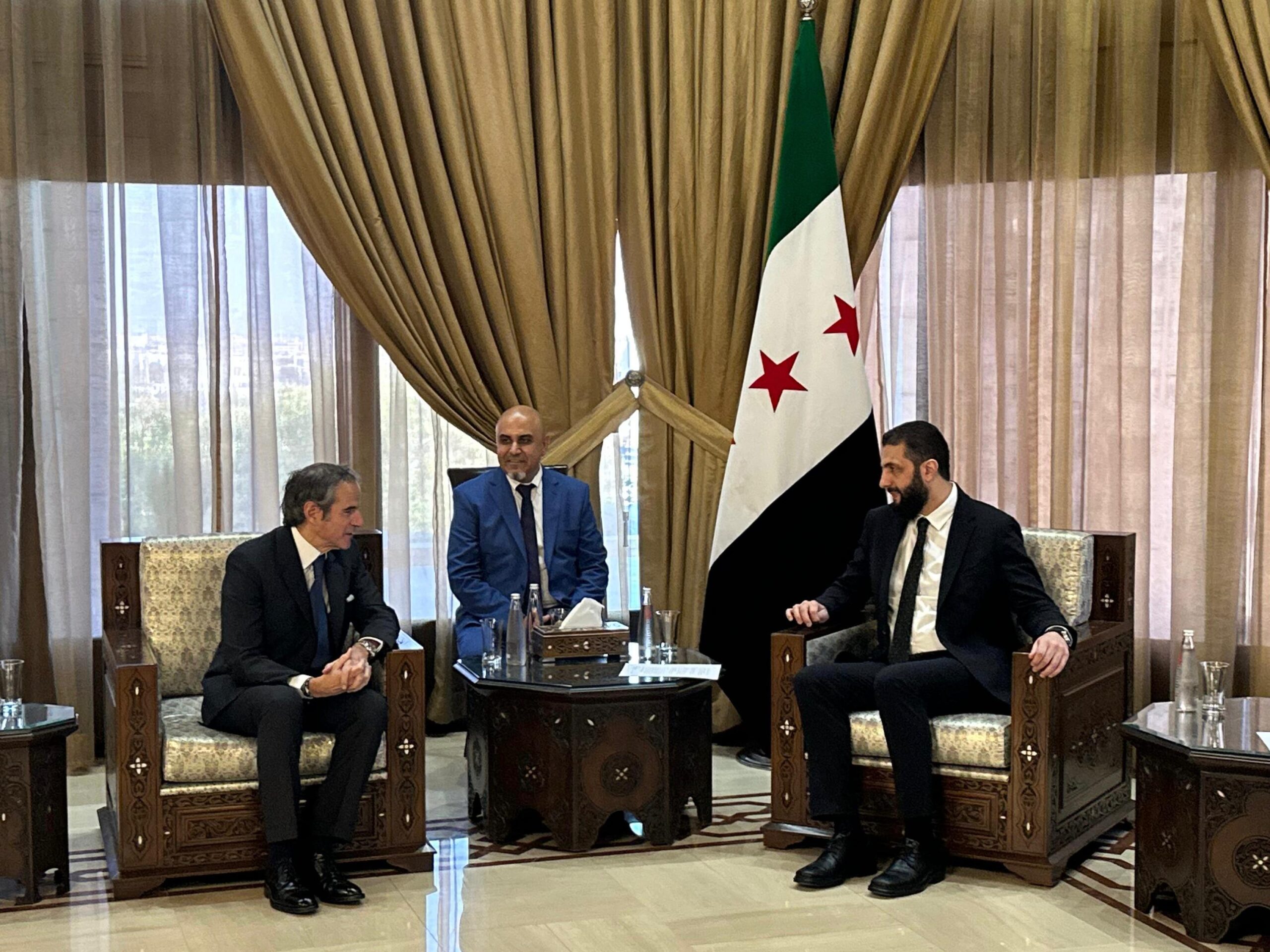
IAEA Director General Rafael Grossi has emphasized the organization’s commitment to revitalizing Syria’s radiotherapy, nuclear medicine, and radiology services. The initiative involves not only the provision of vital equipment but also the training of local medical personnel to ensure that these advanced technologies can be effectively utilized. "We are supporting the reconstruction of Syria’s radiotherapy, nuclear medicine, and radiology services," Grossi said. "We’re providing equipment like CT scanners, brachytherapy machines for women’s cancers, and other tools not currently available in the country, and we will train personnel on the ground to use them."
Understanding Brachytherapy and Its Importance
Brachytherapy is a highly effective cancer treatment that involves placing radioactive material directly inside or near a tumor. This internal radiotherapy allows for a high dose of radiation to be delivered to the cancer cells while minimizing exposure to surrounding healthy tissues. For gynaecological cancers, such as cervical and endometrial cancer, brachytherapy has been shown to significantly improve patient outcomes and survival rates.
The introduction of a brachytherapy suite at Al-Biruni Hospital represents a monumental advancement in the treatment options available to Syrian women. This facility will not only provide access to cutting-edge technology but also serve as a beacon of hope for those battling gynaecological cancer. By reducing the need for patients to seek treatment abroad, the new suite will also alleviate financial and logistical burdens on families already facing significant challenges.
The Role of International Collaboration
The realization of this project underscores the importance of international collaboration in addressing global health issues. The involvement of the IAEA and the support of the Italian government highlight how collective efforts can lead to meaningful change in communities affected by conflict and limited resources. By pooling expertise, resources, and funding, these organizations are making a tangible difference in the lives of Syrian women and their families.
Training and Capacity Building
A critical component of the Rays of Hope Initiative is the training of local medical staff. Ensuring that Syrian healthcare professionals are equipped with the necessary skills and knowledge to operate the new brachytherapy equipment is essential for the long-term success of the initiative. The IAEA plans to conduct comprehensive training programs to build local capacity, enabling Syrian doctors, nurses, and technicians to provide high-quality care to their patients.
This focus on training and capacity building is crucial, as it empowers local healthcare systems to become more self-sufficient and resilient. By investing in human resources, the initiative not only addresses immediate health needs but also contributes to the sustainable development of Syria’s healthcare infrastructure.
A Beacon of Hope for the Future
The establishment of the brachytherapy suite at Al-Biruni Hospital is a significant leap forward in the fight against gynaecological cancer in Syria. It represents a beacon of hope for the countless women who have faced limited treatment options and uncertain futures. As the facility becomes operational, it is expected to transform the landscape of cancer care in the country, providing new opportunities for survival and improved quality of life.
This initiative serves as a reminder of the power of international cooperation and the positive impact that can be achieved when organizations and governments come together to address pressing health challenges. By prioritizing the health and well-being of Syrian women, the Rays of Hope Initiative is making a lasting difference in the lives of those most in need.
Conclusion
The introduction of brachytherapy in Syria marks a critical turning point in the fight against gynaecological cancer. Through the collaborative efforts of the IAEA and the Italian government, Syrian women now have access to a life-saving treatment that was previously out of reach. By investing in both technology and training, the initiative is paving the way for a brighter and healthier future for women across the country.
For more information on the Rays of Hope Initiative and its impact, you can visit the IAEA’s official website here. This project exemplifies how international partnerships can drive significant advancements in global health, offering hope and healing to those who need it most.
For more Information, Refer to this article.