




























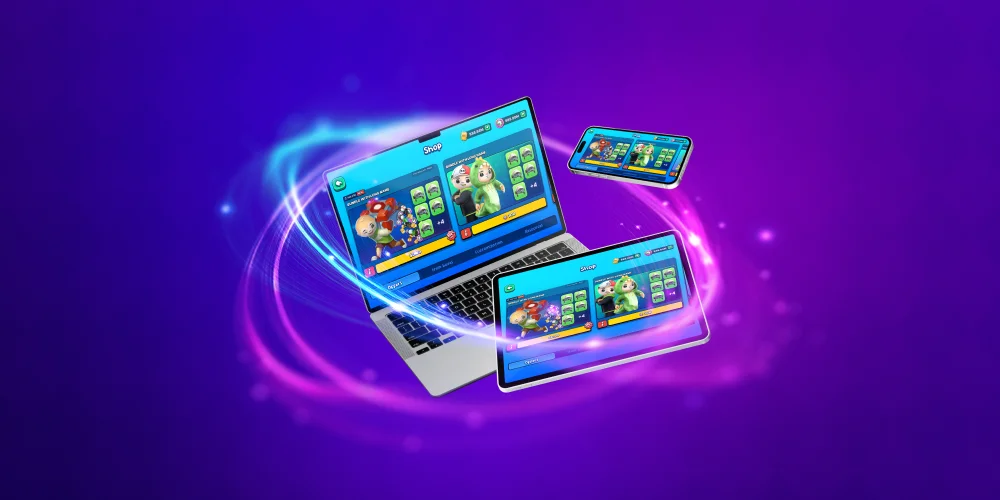
The video game industry has witnessed an unprecedented expansion, establishing itself as one of the leading forms of entertainment worldwide. As we look towards the future, the global gaming sector is projected to reach an astounding $363.2 billion by 2027. This growth presents significant opportunities for developers and companies alike. A key driver of this expansion is the evolution of multi-platform game development. By making games accessible on a variety of platforms, including consoles, PCs, and mobile devices, developers can reach a broader audience. Understanding this trend is crucial for anyone involved in the gaming industry.
How Is Multi-Platform Game Development Progressing in 2025?
As we progress into 2025, the landscape of multi-platform game development is characterized by remarkable advancements in cross-platform capabilities. This evolution facilitates seamless gameplay across different devices. Innovations in cloud gaming and the enhancement of graphics engines have empowered developers to create more immersive and engaging gaming experiences. This progression effectively bridges the gap between consoles, PCs, and mobile platforms, allowing players to enjoy a consistent gaming experience regardless of their device.
Sony Interactive Entertainment’s Approach to Multi-Platform Releases
Traditionally, Sony Interactive Entertainment, the powerhouse behind the PlayStation brand, focused on delivering exclusive console games. Iconic franchises like "God of War" and "The Last of Us" have become synonymous with the PlayStation platform. However, Sony is now adopting a broader strategy by embracing multi-platform releases to expand its reach. This shift involves acquiring talented studios, such as Bungie, known for the multi-platform hit "Destiny." By bringing its major titles to PC after a period of console exclusivity, Sony introduces its renowned worlds to a new audience, enhancing revenue and brand recognition.
This strategic evolution underscores Sony’s adaptation to the contemporary game development landscape. While PlayStation remains central to its business, Sony acknowledges the immense value in making its acclaimed games accessible to a wider player base across various systems.
Microsoft Gaming: Strategies for Cross-Platform Integration
Microsoft has fully embraced cross-platform integration through its Xbox Game Studios division. The company’s strategy revolves around creating an ecosystem where players can access games on Xbox consoles, PCs, and even mobile devices via cloud gaming. This approach effectively dismantles traditional hardware barriers.
The acquisition of major publishers, such as ZeniMax Media (parent of Bethesda Softworks) and Activision Blizzard, has been a cornerstone of Microsoft’s strategy. These acquisitions bring iconic franchises like "The Elder Scrolls," "DOOM," and "Call of Duty" under Microsoft’s umbrella, bolstering its multi-platform offerings.
By focusing on services like Game Pass and investing in cloud technology, Microsoft’s game development approach prioritizes player access and choice. This ensures their content is available wherever gamers choose to play, solidifying their position as a versatile leader in the industry.
Tencent’s Innovations in Global Game Porting
Tencent has emerged as a formidable force in the global gaming market, largely due to its mastery of mobile gaming and game porting. The company has demonstrated an exceptional ability to transform popular PC and console concepts into blockbuster mobile experiences, as seen with "PUBG Mobile" and "Call of Duty: Mobile."
Through its subdivision, Tencent Games, the company has cultivated a vast portfolio that spans both traditional and mobile formats. Its success stems from understanding the unique aspects of different platforms and tailoring gameplay, controls, and monetization strategies to suit each one perfectly.
Tencent’s strategy extends beyond mere porting; it’s about global expansion. By operating in key markets and leveraging its technical expertise, Tencent has become a dominant force, connecting millions of players worldwide through its diverse and highly successful titles.
Nintendo’s Recent Multi-Platform Projects
Nintendo has long been renowned for creating iconic characters and console games, with the Nintendo Switch as its current flagship. While the company is famous for its first-party exclusives like "The Legend of Zelda: Breath of the Wild," it has also strategically ventured into the multi-platform space.
Nintendo’s primary multi-platform efforts have been focused on mobile gaming. Titles like "Super Mario Run," "Fire Emblem Heroes," and "Animal Crossing: Pocket Camp" bring Nintendo’s beloved intellectual properties to smartphones, introducing them to a broader, more casual audience that may not own a dedicated gaming console.
This approach allows Nintendo to leverage its powerful brands without diluting the unique appeal of its console hardware. Through careful game porting and new mobile-first designs, Nintendo maintains its identity while successfully engaging with players on platforms beyond its own.
NetEase Games: Expanding Across PC, Console, and Mobile
In today’s competitive market, companies like NetEase Games are increasingly focused on a broad, multi-platform strategy. The goal is to create experiences that can thrive across PC, console games, and the rapidly expanding mobile game development sector. This expansion is crucial for reaching a global audience.
This approach involves designing flexible games and using powerful development tools that facilitate easier adaptation between platforms. Whether it’s a deep role-playing game for PC or a fast-paced action game for mobile, the underlying technology must support a seamless transition to deliver a consistent and high-quality experience.
By investing in capabilities that span every major gaming platform, these companies position themselves for significant growth. They can cater to different player habits and market trends, ensuring their titles have the maximum possible impact and longevity in the industry.
Electronic Arts (EA): Best Practices for Game Porting
Electronic Arts (EA) is a true industry powerhouse, known for delivering high-quality experiences across PC, console, and mobile gaming. The company has refined its game porting process over decades, ensuring its biggest franchises reach the widest audience possible.
Franchises like "FIFA" and "Madden NFL" exemplify EA’s successful multi-platform strategy. The company employs a robust game engine and a streamlined development pipeline to release these titles on multiple consoles and PC simultaneously each year, maintaining a consistent level of quality. Furthermore, its EA Mobile division excels at adapting these complex games for smaller screens. By creating dedicated mobile versions like "FIFA Mobile" and "The Sims Mobile," EA demonstrates a best-practice approach: understanding the unique strengths of each platform and tailoring the experience accordingly.
Epic Games: Successful Cross-Platform Titles
Epic Games has set the standard for successful cross-platform titles with "Fortnite." This cultural phenomenon became a massive success partly because it was available on nearly every platform imaginable—PC, console, and mobile devices—with seamless cross-play and cross-progression.
The secret to this success is Epic’s own Unreal Engine. This powerful and versatile game engine is designed from the ground up to support multi-platform development, allowing developers to build a game once and deploy it everywhere with relative ease. This technology has been a game-changer for the entire industry. By championing a truly unified gaming experience, Epic Games has shown what’s possible when you put the player first. "Fortnite" proved that a single game community can exist and thrive across different hardware, setting a new standard for cross-platform entertainment.
Take-Two Interactive: Revenue from Multi-Platform Development
Take-Two Interactive, through its renowned publishing labels Rockstar Games and 2K, has mastered the art of generating massive revenue from multi-platform development. The company is behind some of the biggest cultural phenomena in gaming, including "Grand Theft Auto" and "NBA 2K."
A key to its financial growth is the company’s dedication to releasing its blockbuster titles on every relevant platform. By launching on PlayStation, Xbox, and PC, Take-Two ensures its games are accessible to the largest possible market from day one. This broad availability is a cornerstone of its business model. Games like "Red Dead Redemption 2" showcase Take-Two’s commitment to quality, which extends to every version of the game. This focus on a polished experience across all platforms helps drive record-breaking sales and long-term player engagement, making Take-Two a leader in multi-platform financial success.
Ubisoft: Outsourcing and Porting Services in 2025
Ubisoft, the creator of popular franchises like "Assassin’s Creed" and "Far Cry," has a sophisticated approach to multi-platform releases. As a major game development company, Ubisoft leverages its global network of studios to create games for PlayStation, Xbox, PC, and Nintendo Switch.
The company effectively utilizes its various internal teams as a form of “in-sourcing” for game porting services. Different studios often collaborate or take the lead on developing versions for specific platforms, ensuring each one is optimized for the hardware. This allows Ubisoft to manage large-scale, simultaneous global launches.
Additionally, Ubisoft Mobile operates with dedicated teams focused on bringing its IPs to Android and iOS. This structure allows the company to offer a comprehensive range of experiences, from AAA console blockbusters to accessible mobile titles, all within its own development ecosystem.
Embracer Group: Comprehensive Porting Solutions
Embracer Group has built its strategy around acquiring a diverse portfolio of development studios, providing comprehensive game porting and multi-platform development services. This model allows them to manage a wide array of intellectual properties and bring them to new audiences.
By owning numerous studios, each with its technical specialties, a large holding company can efficiently handle porting projects internally. A team that excels at PC development can handle a PC port, while another with mobile expertise can tackle a smartphone version.
This structure creates a powerful in-house network for launching games on every relevant system. It gives the parent company the flexibility and resources needed to execute a robust multi-platform strategy, maximizing the reach and profitability of its games.
Top Game Porting Studios and Their Expertise
In addition to major publishers, specialized game porting studios focus entirely on adapting games for new platforms. These companies are the unsung heroes of multi-platform gaming, possessing the deep technical knowledge needed to ensure a game plays perfectly, whether on a Switch, a high-end PC, or a console.
Choosing one of these partners is critical, as the quality of work can make or break a game’s reception on a new platform. Let’s explore some studios with proven experience in this field.
Whimsy Games: Trusted Experts in Game Porting
Renowned for their exceptional quality of work, Whimsy Games has established itself as a trusted name in the game porting landscape. With extensive experience across various genres, including action and strategy games, their team leverages advanced game engines to ensure seamless transitions between different platforms. Their commitment to understanding client needs underscores their reputation for delivering outstanding results. As mobile gaming continues to rise, Whimsy Games remains dedicated to facilitating smooth ports, allowing titles to flourish across consoles, PC, and mobile devices, thereby enhancing the gaming industry’s expansive growth.
Galaxy4Games: Proven Success in Multi-Platform Ports
Galaxy4Games has established itself as a formidable player in the realm of multi-platform ports, demonstrating a commitment to enhancing the gaming experience across devices. With expertise in leveraging cutting-edge game engines, the studio excels in adapting diverse genres, from action to RPG, ensuring seamless gameplay on PC, consoles, and mobile platforms. Their portfolio reflects a rich history of successful transitions, driven by a dedication to quality work. This strategic approach amplifies player engagement and solidifies their position in the competitive gaming industry.
Virtuos: Specializing in Bringing Games to New Platforms
Partnering with studios experienced in cross-platform development can be essential. These companies focus specifically on the technical challenges of bringing a game from its original platform to new ones, whether PC, console, or mobile.
Their specialization means they have deep knowledge of various hardware limitations and strengths. They are experts in multiple game engine technologies, such as Unreal and Unity, and know how to optimize performance, controls, and UI for each specific platform.
Working with such a studio can be transformative, as they handle the complex technical work, allowing the original creators to focus on their next project. Their role is critical in helping games reach a wider audience and achieve greater success in the global market.
Bluepoint Games: High-Quality Console-to-PC Ports
Creating high-quality ports, especially when moving demanding console games to PC, is a highly respected skill in the industry. Studios specializing in this area are known for their meticulous attention to detail and technical excellence, ensuring the definitive version of a game is often the one they produce.
The process of game porting from console to PC involves more than just a simple conversion. It requires adding a wide range of graphics options, supporting different resolutions and aspect ratios, and optimizing for a vast array of PC hardware configurations. This work is crucial for meeting the expectations of the PC gaming community.
These high-quality ports can breathe new life into a beloved game, introducing it to a massive new audience. The dedication to quality shown by these specialized studios sets a high bar for what a successful game port should be.
Key Criteria for Selecting a Multi-Platform Development Partner
Choosing the right partner for your multi-platform project is one of the most important decisions you’ll make. The quality of their work will directly impact your game’s success on new platforms. You need a game development company with the right skills, a solid track record, and a professional approach.
When evaluating potential game development services, several key factors come into play. Considering these criteria will help you find a partner that can deliver a high-quality product on time and on budget, ensuring a smooth transition for your game across platforms.
Technical Experience in PC, Console, and Mobile Porting
A potential partner’s technical experience is the most important factor to consider. You need a team that has hands-on experience porting games to the specific platforms you’re targeting, whether it’s PCs, consoles, or mobile devices. Each platform has unique hardware, software, and certification requirements that demand specialized knowledge.
A good partner should be proficient in the game engine your title was built on, like Unity or Unreal, and understand how to optimize performance for different systems. Asking them about their experience with challenges like controller integration on mobile or performance scalability on PC will reveal their true technical depth.
When vetting a company, consider:
- Proficiency with your game’s engine and programming languages.
- A history of successful ports to your target platforms (PC, PlayStation, Xbox, Switch, mobile).
- Experience in optimizing performance, memory, and load times.
- Knowledge of platform-specific submission and certification processes.
Portfolio of Successful Multi-Platform Projects
A company’s portfolio is proof of its capabilities. When looking for a partner, especially for bringing mobile games to PC and consoles, you should carefully review their past multi-platform projects. A strong portfolio demonstrates that they can handle the complexities of adapting games for different gaming platforms.
Look for titles in their portfolio that are similar to yours in genre or technical complexity. A studio that has successfully ported a fast-paced action game is likely a good fit for a similar project. Their past work is the best indicator of the quality you can expect.
Here’s what to check in their portfolio:
- The quality and performance of their previous ports.
- A variety of genres and platforms they have worked on.
- Experience with transitioning games from mobile to PC/console or vice versa.
- The commercial success of the games they have ported.
Client Testimonials and Industry Reviews
What past clients say about a game development studio is incredibly valuable. Reliable client testimonials and positive industry reviews are a strong sign that a company is professional, communicative, and delivers on its promises. Don’t just take the company’s word for it; look for outside validation.
You can often find testimonials on the studio’s official website. For more objective feedback, look at industry publications, developer forums, and professional networking sites like LinkedIn. Sometimes, a quick search for “[Studio Name] reviews” can uncover discussions from other developers who have worked with them.
When searching for feedback, focus on these sources:
- Official case studies and testimonials on the company’s website.
- Articles and features in reputable gaming industry news outlets.
- Developer communities and forums where professionals share experiences.
- Checking the credits of well-regarded game ports to see who did the work.
Scalability and Project Management Capabilities
A great porting partner needs more than just technical skills; they need strong project management and the ability to scale. Your project might grow in scope, or you may decide to target additional platforms later on. A capable partner should be able to handle these changes without sacrificing quality or missing deadlines.
Ask about their project management process. How do they communicate progress? How do they handle unexpected challenges? A professional studio will have a clear, transparent workflow and a dedicated project manager to keep you informed every step of the way. This ensures a smooth and predictable game development process.
Look for these capabilities:
- A clear and transparent project management methodology.
- The ability to scale the team up or down based on project needs.
- Regular, scheduled communication and progress reports.
- A comprehensive range of services, including QA testing and post-launch support.
Outsourcing Companies for Game Porting Services in 2025
For many developers, outsourcing game porting services is the most efficient way to bring a title to new platforms. Partnering with a specialized game development company allows your core team to focus on creating new content or your next big game, while experts handle the technical work of the port.
Choosing a trusted outsourcing partner is key to a successful launch. The right company will act as an extension of your own team, providing the expertise and resources needed to deliver a high-quality port. Here are some examples of the types of companies that offer these valuable services.
Keywords Studios: End-to-End Porting Solutions
Leading outsourcing firms in the gaming industry often provide end-to-end porting solutions. This means they offer a comprehensive range of services that covers every stage of the game porting process, from initial technical evaluation to post-launch support. This integrated approach simplifies the process for developers.
These full-service partners can handle code conversion, art asset optimization, platform-specific compliance testing, and even localization. Having one company manage everything ensures consistency and streamlines communication, reducing the management burden on your internal team.
By offering such a complete package, these outsourcing specialists become invaluable allies for developers looking to expand their game’s reach. They provide the expertise and manpower needed to launch on multiple platforms simultaneously, helping you capitalize on market opportunities quickly and efficiently.
Tantalus Media: Expertise in Mobile-to-PC Transition
Transitioning a successful mobile game to PC is a common goal for developers looking to tap into a new market. However, this process requires specific expertise. Studios that specialize in the mobile-to-PC transition understand the unique challenges involved, such as adapting touch controls to a mouse and keyboard.
The core game design must often be re-evaluated. What works on a small screen during a short commute may not be as engaging for a long session at a desk. These specialist studios know how to adjust gameplay loops, UI, and monetization to fit the expectations of the PC gaming audience.
With the mobile gaming market being so large, the potential for a successful PC port is huge. Partnering with a company that has proven experience in this specific type of port is the best way to ensure your game finds a new and dedicated audience on platforms like Steam.
Saber Interactive: Console and PC Game Porting
Many studios have built a strong reputation by focusing on porting console games to PC and vice versa. This type of game porting requires a high level of technical skill, especially when dealing with demanding, graphically-intensive action games that need to run at a smooth framerate.
These teams are experts at navigating the different architectures of PlayStation, Xbox, and PC hardware. They know how to take advantage of the power of high-end PCs to enhance graphics and performance, while also ensuring the game runs well on a wide range of configurations. Their expertise is often called upon by major publishers to assist with large-scale projects, similar to how studios like Raven Software have lent support on the Call of Duty franchise. This collaborative work is essential for delivering polished and optimized experiences to players on every major platform.
Revenue Leaders in Multi-Platform Game Development
In today’s game development market, a strong multi-platform strategy is directly linked to financial growth and higher revenue. Companies that successfully launch their games across consoles, PC, and mobile are able to reach a much larger audience, which translates directly into increased sales and player engagement.
The biggest names in the industry have perfected this approach, making their titles available wherever players are. This focus on accessibility is a major reason why they dominate the market. Let’s explore which companies are leading the pack in revenue from multi-platform development.
Companies Generating Highest Revenue from Cross-Platform Games
The biggest gaming companies consistently generate the highest revenue, and their multi-platform strategies are a primary reason for their success. By making their games available on multiple systems, they maximize their audience and sales potential. Giants like Microsoft, Tencent, and Sony are masters of this approach.
Microsoft leverages its Xbox and PC ecosystem, while Tencent dominates the mobile space with ports of popular PC titles. Sony, traditionally focused on its PlayStation console, is now bringing more of its first-party hits to PC, tapping into a new revenue stream. These strategies ensure they remain at the top of the industry.
Here is a look at how some of the top companies approach their multi-platform presence.
Company
- Notable Multi-Platform Presence
- Microsoft: Owns Xbox, PC gaming (Windows), and mobile through acquisitions like Activision Blizzard.
- Tencent: A leader in mobile gaming (PUBG Mobile) and PC gaming (League of Legends).
- Sony: Strong PlayStation base, with a growing number of major titles ported to PC.
- Nintendo: Focuses on Nintendo Switch hardware while strategically releasing select titles on mobile.
Impact of Multi-Platform Strategies on Financial Growth
Adopting a multi-platform strategy has a direct and powerful impact on a company’s financial growth. By releasing a game on more than one platform, a developer instantly expands their potential customer base. Someone who only owns a PC can play the same game as someone who only owns a PlayStation, multiplying the opportunities for revenue.
This approach also extends a game’s lifespan. A title can find a second wave of success when it’s ported to a new platform years after its initial release. This generates additional revenue from a single game development investment, significantly improving the return on investment.
As the gaming industry continues its journey toward a projected market volume of $363.2 billion, companies that embrace a broad, multi-platform approach will be best positioned for sustained financial growth. It’s no longer just an option; it’s a fundamental part of a successful business strategy.
Case Studies of Top-Grossing Multi-Platform Titles
Looking at case studies of top-grossing titles clearly shows the power of a multi-platform strategy. "Fortnite" is a perfect example, becoming a global sensation by being available on virtually every device, allowing friends to play together regardless of their hardware.
Another great example is "Call of Duty: Mobile." Activision successfully worked with developers to bring its fast-paced action game franchise to smartphones, resulting in over 650 million downloads. This game porting effort created a massive new revenue stream for the franchise by tapping into the huge mobile gaming market. Similarly, titles from the "Grand Theft Auto" series continue to be top-grossing years after their initial launch, thanks to high-quality releases across multiple console generations and PC. These examples prove that a commitment to multi-platform availability is a key ingredient for long-term financial success.
Conclusion
In conclusion, multi-platform game development is evolving rapidly, driven by innovative strategies from leading companies like Sony, Microsoft, and Tencent. By embracing cross-platform integration, these industry giants are not only expanding their reach but also enhancing user experiences across various devices. As we move further into 2025, the importance of selecting the right development partner becomes crucial, ensuring that technical expertise and a solid portfolio back up your project. With so many options available, understanding the landscape of multi-platform development will position you for success. If you’re looking to tap into this thriving market, don’t hesitate to explore your options and find the perfect partner for your game development journey.
For more Information, Refer to this article.






![[Interview] Inside Spatial Signage: How Samsung Brought Glasses-Free 3D Displays to Life](https://www.hawkdive.com/media/samsung-tvs-and-displays-spatial-signage-interview_thumb932-218x150.jpg "Samsung’s Glasses-Free 3D Displays: The Inside Story [Interview]")
