











![[Photo] Inside Samsung OLED FC: Elite Gamers Compete Live on Advanced OLED Displays at Samsung KX](https://www.hawkdive.com/media/samsung-tvs-and-displays-s90f-tvs-odyssey-oled-g6-samsung-oled-fc_thumb932f-218x150.jpg "Elite gamers battle on advanced OLED displays at Samsung KX.")







Expanding Expertise in Radiation Protection: IAEA’s Role in Training Future Leaders
In a significant stride towards ensuring the safe application of nuclear science and technology, the International Atomic Energy Agency (IAEA) has successfully concluded its latest round of postgraduate courses in radiation protection. This initiative stands as a testament to the agency’s unwavering commitment to fostering a new generation of experts adept in safeguarding against radiation hazards. Participants from 31 countries have completed this rigorous program, marking a pivotal moment in their professional journeys as they prepare to become key players in the nuclear sector.
A Comprehensive Training Program
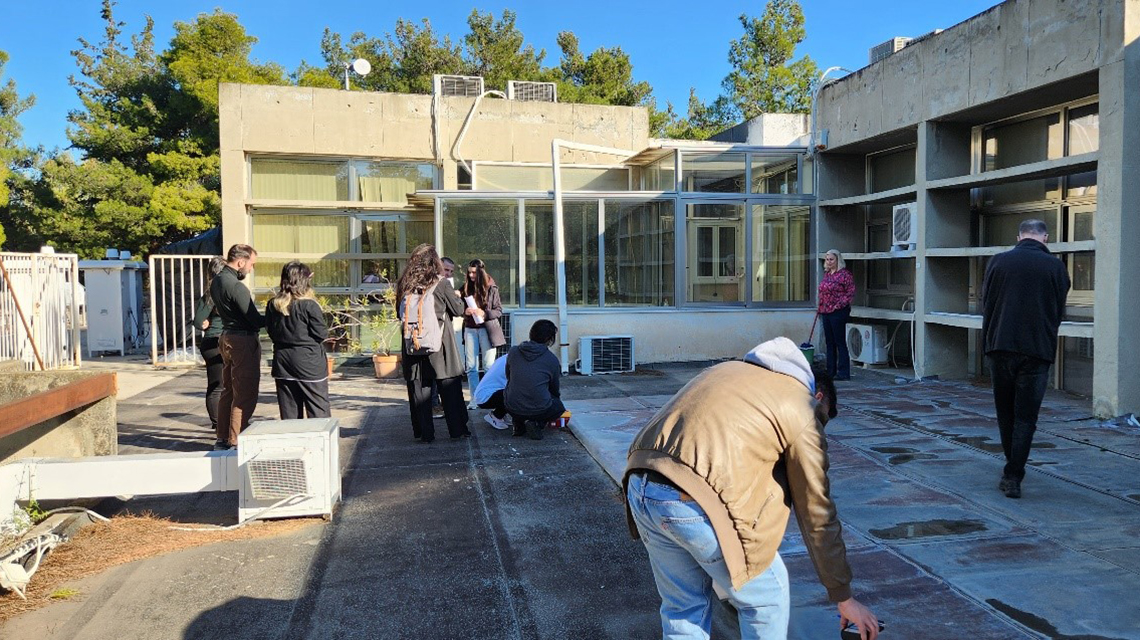
The Postgraduate Educational Courses in Radiation Protection and the Safety of Radiation Sources (PGEC) are renowned for their comprehensive curriculum. Held over a six-month period in Greece and Ghana, these courses are meticulously designed to equip participants with the skills necessary to excel as radiation protection experts, regulators, and nuclear safety professionals. The curriculum is a blend of theoretical knowledge and practical applications, ensuring that graduates are well-prepared to tackle real-world challenges in the field.
Emina Alic, IAEA Programme Management Officer, highlights the enduring legacy of the PGEC: "For close to 45 years, PGEC has continuously trained new generations of experts in Europe and Central Asia for work in the field of radiation protection. Today, former PGEC graduates are helping to shape the future of their country’s engagement with nuclear applications as national operators, regulators, and policymakers."
Addressing the Increasing Demand for Radiation Safety
With the expanding use of radiation sources in Africa, the importance of radiation safety has been elevated to a critical priority within the IAEA’s regional technical cooperation program for the continent. Felix Omonya, another IAEA Programme Management Officer, emphasizes the agency’s holistic approach: "The IAEA has provided substantial support in the form of equipment and expert guidance, but in terms of training, the PGEC represents a cornerstone of our capacity-building efforts."
Understanding Radiation Sources
To appreciate the significance of such training, it is crucial to understand the role of radiation sources. These are typically produced in research reactors and, as they decay, they emit radiation that can be harnessed for various purposes. From diagnosing and treating cancers to measuring pollution levels and monitoring industrial processes, the applications are vast. However, the safe management of these sources is paramount. Once their useful life concludes, these sources are securely stored or disposed of in specialized facilities. In contrast, X-ray machines generate radiation on demand, providing a controlled and predictable source of radiation that can be safely managed once their task is complete.
Building a Framework for Safety
The deployment of radiation technologies necessitates a robust framework of national legislation and regulations. This framework is reliant on a workforce of well-trained and motivated safety professionals. The IAEA’s PGEC addresses this need by developing a cadre of professionals skilled in radiation protection through a combination of classroom instruction and hands-on training.
Blinda Mutuzo from the Rwanda Atomic Energy Board underscores the importance of the PGEC in enhancing regulatory frameworks: "While some regulatory frameworks are in place in my country, there is still a pressing need to update existing regulations in line with international standards. The PGEC covered many of the areas where we most need support and offered practical knowledge on regulatory frameworks, authorization, and inspection processes, source management, and more."
Fostering Professional Growth and Collaboration
The PGEC not only equips participants with technical skills but also fosters a network of professionals who can collaborate on future projects. As Mutuzo reflects, "The course helped me grow professionally by expanding my knowledge and confidence in radiation protection. It also allowed me to connect with experts and peers from other countries. These connections may lead to future collaborations in training, technical assistance, or policy development."
Responding to National Needs
The course’s adaptability to national priorities is another hallmark of its success. Kornelija Dacytė, Chief Specialist of Lithuania’s Radiation Protection Centre, shares her experience: "Emergency preparedness and the improvement of the established early warning system are among Lithuania’s priorities at the moment. Not only did PGEC respond to these national needs, I am now hoping to adjust my career trajectory to focus more on emergency preparedness and I hope to support decision-making through atmospheric dispersion modelling." The IAEA aids countries in using atmospheric dispersion modelling to simulate the spread of air pollutants, including radioactive substances, thus enhancing their preparedness for potential emergencies.
The Broader Impact of the PGEC
The completion of the PGEC by this latest cohort signifies more than just individual achievement. It represents a collective step forward in the global effort to harness nuclear technology safely and effectively. The knowledge and expertise gained by these professionals are instrumental in fortifying national safety standards and ensuring that the benefits of nuclear science and technology are realized without compromising public health and the environment.
As we look to the future, the role of the IAEA and its initiatives like the PGEC will continue to be vital. By investing in the education and training of radiation protection professionals, the IAEA is not only addressing current safety challenges but is also laying the groundwork for a more secure and sustainable use of nuclear technology worldwide.
For further information and updates on the IAEA’s programs and initiatives, visit their official website.
For more Information, Refer to this article.