


















Understanding Artificial Intelligence: A Guide for Students
Artificial intelligence, commonly known as AI, is an innovative field of technology that enables machines and computers to exhibit human-like cognitive functions. This fascinating area of study involves the creation of computer systems capable of performing tasks that typically require human intelligence. These tasks include understanding natural language, recognizing objects, identifying patterns, and making predictions. AI can also operate independently, referred to as autonomous functioning, allowing machines to perform tasks without human intervention. This technology is particularly useful in assisting humans by accelerating problem-solving processes.
Exploring Key Components of AI
AI encompasses several significant components, each contributing to its overall capability:
- Machine Learning: This subset of AI involves analyzing vast datasets to make swift and precise predictions. Machine learning algorithms learn from data inputs, refining their predictions over time to improve accuracy.
- Deep Learning: A more advanced form of machine learning, deep learning mimics the neural networks of the human brain to identify patterns and absorb new information. It leverages multiple layers of processing to enhance its understanding and functionality.
- Generative AI: This aspect of AI is designed to create content such as text, videos, and images. Generative AI utilizes deep learning techniques to produce creative outputs that resemble human-generated content.
AI Applications in NASA Missions
NASA, the United States’ premier space agency, has integrated AI into numerous missions and programs, harnessing its power to advance space exploration and research. Here’s how AI is making a difference:
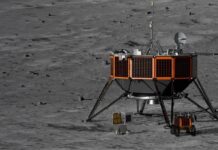
- Lunar Missions: AI is employed to analyze satellite imagery and generate detailed 3D maps of the Moon’s dark craters. These maps assist scientists in planning missions, identifying potential hazards, and locating resources like water ice for future crewed missions.
- Mars Exploration: The Perseverance rover, currently exploring Mars, uses AI for autonomous navigation. It captures images of the Martian surface, detects obstacles, and selects safe paths to traverse, enhancing its ability to study the planet’s terrain.
- Exoplanet Discovery: AI aids NASA’s search for planets outside our solar system. By analyzing data from citizen scientists, AI has helped identify over 10,000 pairs of binary stars. These discoveries provide valuable insights into star formation and the potential existence of new planets.
Earth-Based AI Applications
Beyond space exploration, NASA utilizes AI to address challenges here on Earth. For instance, AI supports disaster relief efforts by analyzing satellite images to assess damage after natural disasters like hurricanes and wildfires. By counting tarps on rooftops, AI helps determine the extent of storm damage, facilitating efficient recovery efforts.
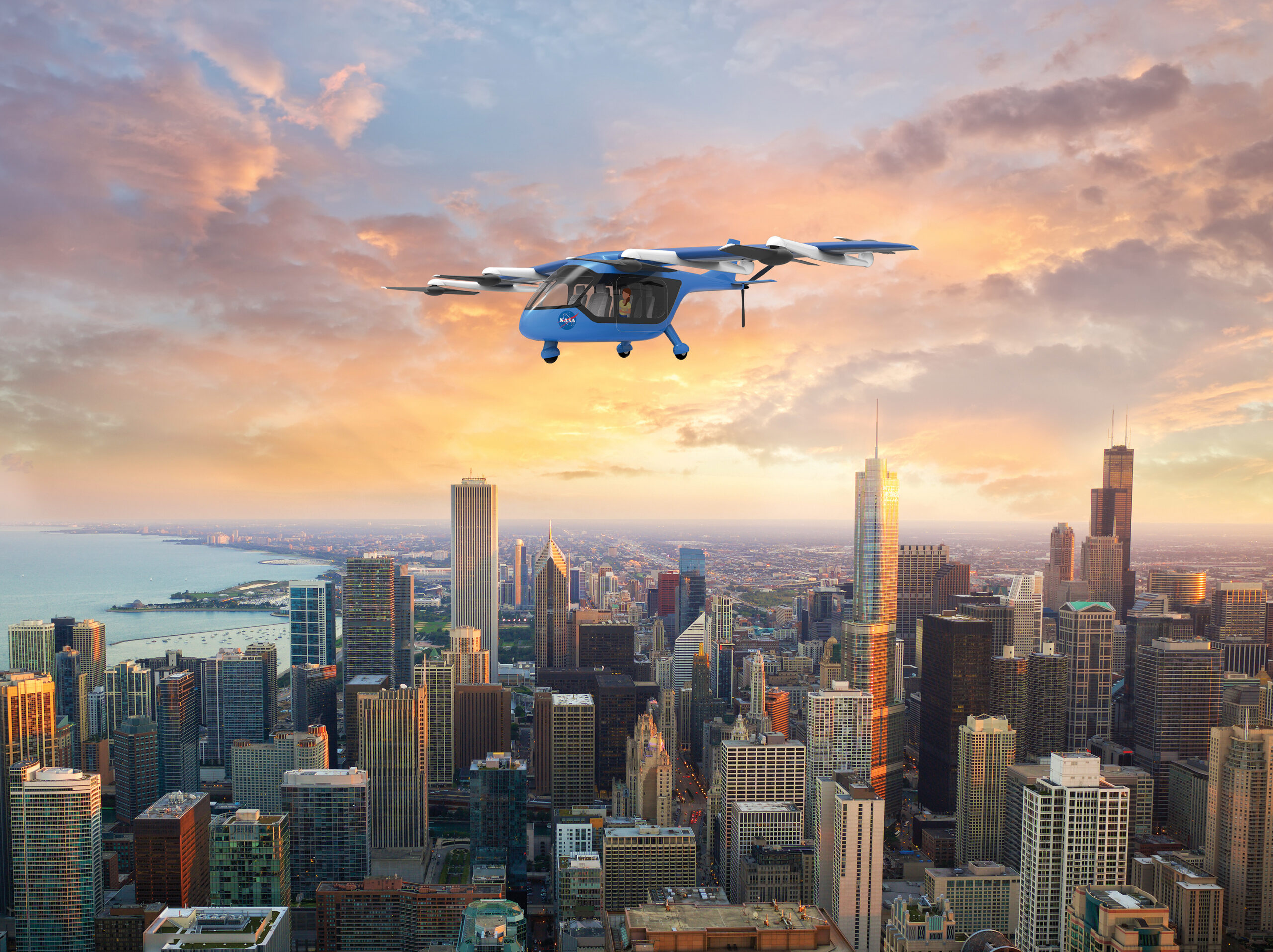
In aviation, AI assists flight controllers and pilots in optimizing flight routes, enhancing air travel safety and efficiency. These applications demonstrate AI’s versatility and its potential to make significant contributions across various fields.
Insights from NASA AI Experts
Krista Kinnard, NASA’s Deputy Chief AI Officer, emphasizes the vast opportunities AI presents for individuals interested in problem-solving, innovation, and understanding the world. AI is instrumental in medical research, space exploration, and disaster preparedness. For those passionate about technology and discovery, a career in AI offers a chance to make impactful contributions to society.
Career Opportunities Involving AI at NASA
NASA offers a range of career paths that incorporate AI, including:
- Astronauts: On the International Space Station, astronauts use AI-powered digital assistants for medical advice, which is crucial when communication with Earth is disrupted. This capability could prove invaluable on future missions to distant destinations like Mars.
- Engineers: Engineers leverage AI to develop designs for new spacecraft and other technological advancements.
- Astronomers: AI assists astronomers in analyzing data from satellites and deep-space telescopes, facilitating the discovery of stars and exoplanets.
- Meteorologists: Weather experts use machine learning to generate climate projections, aiding in the understanding of weather patterns and climate change.
- Programmers: AI helps programmers update and modernize code used in previous missions, ensuring that NASA’s systems remain cutting-edge.
- IT Professionals: AI enables IT experts to diagnose and resolve outages across NASA’s infrastructure, ensuring swift recovery and minimal disruption.
- Program Managers: AI assists program managers in planning and modeling NASA missions, enhancing mission efficiency and success.
Further Exploration and Resources
For those interested in delving deeper into AI and its applications within NASA, several resources are available:
- Build Your Computer Science Skills with NASA: An opportunity to develop computer science skills relevant to NASA’s technological endeavors.
- Gaining Traction on Mars Activity: A hands-on activity designed to engage learners in the challenges of Mars exploration.
- NASA Space Detective: Can You Spot a Star or a Galaxy?: An interactive resource for identifying celestial bodies.
- Video: Hack Into Computer Science with NASA: A video exploration of computer science applications at NASA.
- Artificial Intelligence at NASA: A comprehensive overview of AI’s role within NASA’s initiatives.
By exploring these resources, individuals can gain a deeper understanding of AI’s transformative role in advancing scientific discovery and addressing global challenges. As AI continues to evolve, its potential to revolutionize various industries and improve our understanding of the universe remains boundless.
For further information, readers are encouraged to visit NASA’s official website and explore the vast array of resources and initiatives that the agency offers in the realm of artificial intelligence.
For more Information, Refer to this article.