





















Urban Astronomy: Connecting City Dwellers with the Cosmos
When we think about astronomy programs in national parks and public lands, our minds often wander to remote locations, far from the glaring lights of cityscapes. However, a groundbreaking initiative by NASA’s Earth to Sky program is challenging this perception. Through its recent training sessions, funded by NASA’s Science Activation Program, the initiative highlights how urban parks, wildlife refuges, museums, and green spaces can serve as incredible venues for engaging communities with space science. These programs in metropolitan areas reach individuals in their daily environments, allowing for continuous engagement and revealing that the night sky’s mysteries are just as accessible above our neighborhoods as they are in secluded areas.
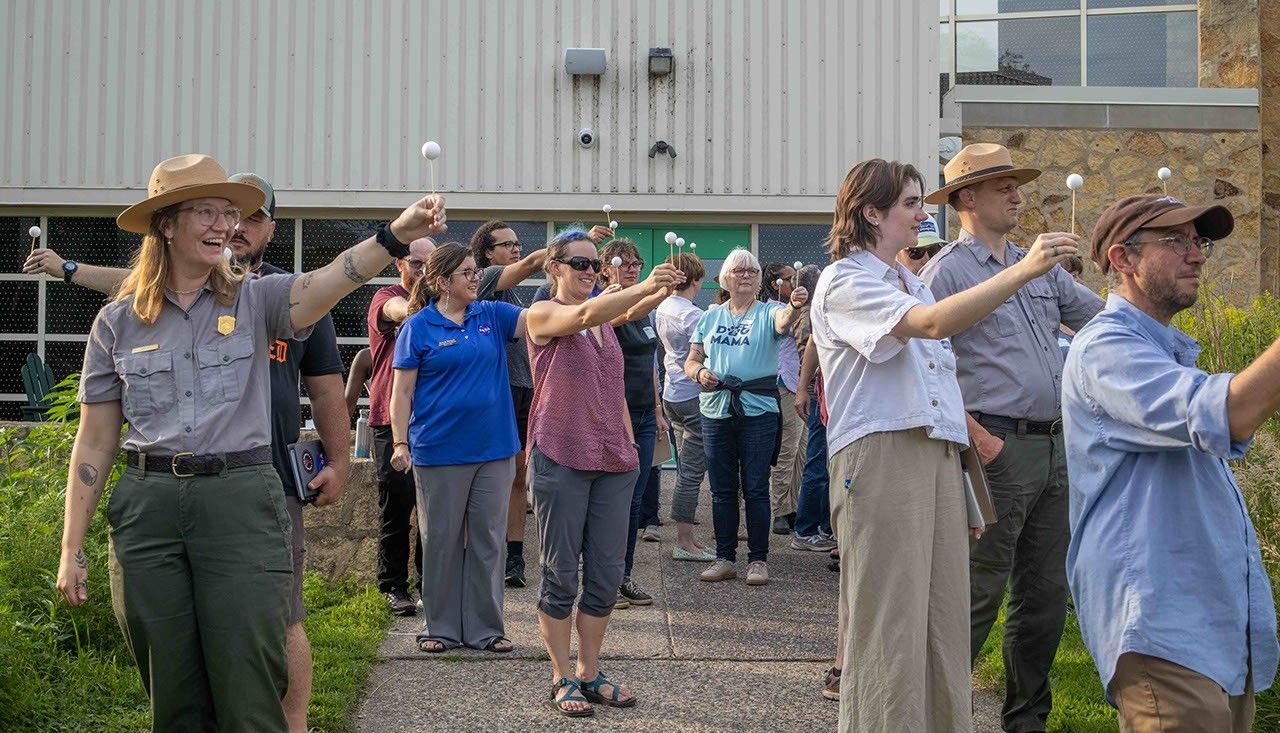
In the first week of August 2025, NASA Earth to Sky collaborated with the National Park Service and the U.S. Fish and Wildlife Service to host a unique astronomy training program titled "Rivers of Stars and Stories: Interpreting the Northern Night Sky." This event took place at the Minnesota Valley National Wildlife Refuge, nestled within the Minneapolis-St. Paul area. Over three days, 28 park ranger interpreters, environmental educators, and outdoor communicators from the Twin Cities region gathered to explore the potential of urban environments for space science engagement. The program focused on connecting urban audiences with the marvels of astronomy by capitalizing on the distinctive opportunities presented by city skies.
The training was an immersive experience, covering a wide array of topics from lunar observations and aurora science to NASA’s Artemis Program and astrobiology. It was designed to empower participants, transforming novice stargazers into confident astronomy communicators. One attendee shared their journey from knowing little to gaining a solid understanding of basic space science concepts and, more importantly, discovering where to find additional resources. The training did more than just provide information; it initiated a community of practice, encouraging ongoing collaboration among participants. They also engaged in meaningful discussions about respectfully incorporating indigenous perspectives into astronomy programming, emphasizing the importance of honoring traditional land stewards without misrepresenting indigenous science.
A key aspect of the course was establishing a lasting connection to NASA through expert presentations and interactive demonstrations of NASA’s educational toolkits. Participants left with a sense of embarking on a lifelong learning journey, armed with the knowledge of where to seek answers. The resources shared included the GLOBE Observer’s NUBE (cloud) game, "Our Dynamic Sun" by the NASA Heliophysics Education Activation Team (HEAT), the Aurorasaurus Citizen Science project, and insights from the local Solar System Ambassador Network.
The feedback from participants was overwhelmingly positive, with every attendee expressing a keen interest in future courses. This enthusiasm underscores the significant value of Earth to Sky’s collaboration with the National Park Service and the U.S. Fish and Wildlife Service. The partnerships align well with the public communication goals of these agencies, fostering a network of science communicators who can reach countless visitors across the parks, nature centers, and outdoor spaces of the Minneapolis-St. Paul area. By equipping local informal educators with the tools to effectively share NASA’s discoveries and missions, the program broadens access to space science for urban audiences throughout the Twin Cities.
The Earth to Sky team plans to continue nurturing these important partnerships not only with the National Park Service and U.S. Fish and Wildlife Service but also with other state and local agencies and nonprofit organizations. For those interested in learning more about Earth to Sky’s efforts to engage park interpreters and nonformal educators with NASA space science, additional information can be found on their official website.
NASA’s Science Activation Program plays a crucial role in connecting science experts, real content, and experiences with community leaders. This initiative aims to activate minds and promote a deeper understanding of our world and the universe beyond. By fostering these connections, NASA is making significant strides in advancing public engagement and education in Earth and space science. Visit the Science Activation website to explore more about how these initiatives are shaping the future of science communication and education.
In conclusion, NASA’s innovative approach to urban astronomy is redefining how city dwellers experience the cosmos. By bringing space science into metropolitan areas, the program not only makes astronomy more accessible but also fosters a community of informed and engaged science communicators. As these initiatives continue to grow, they promise to inspire countless individuals to look up and explore the wonders of the universe, right from their own backyards.
For more Information, Refer to this article.