
























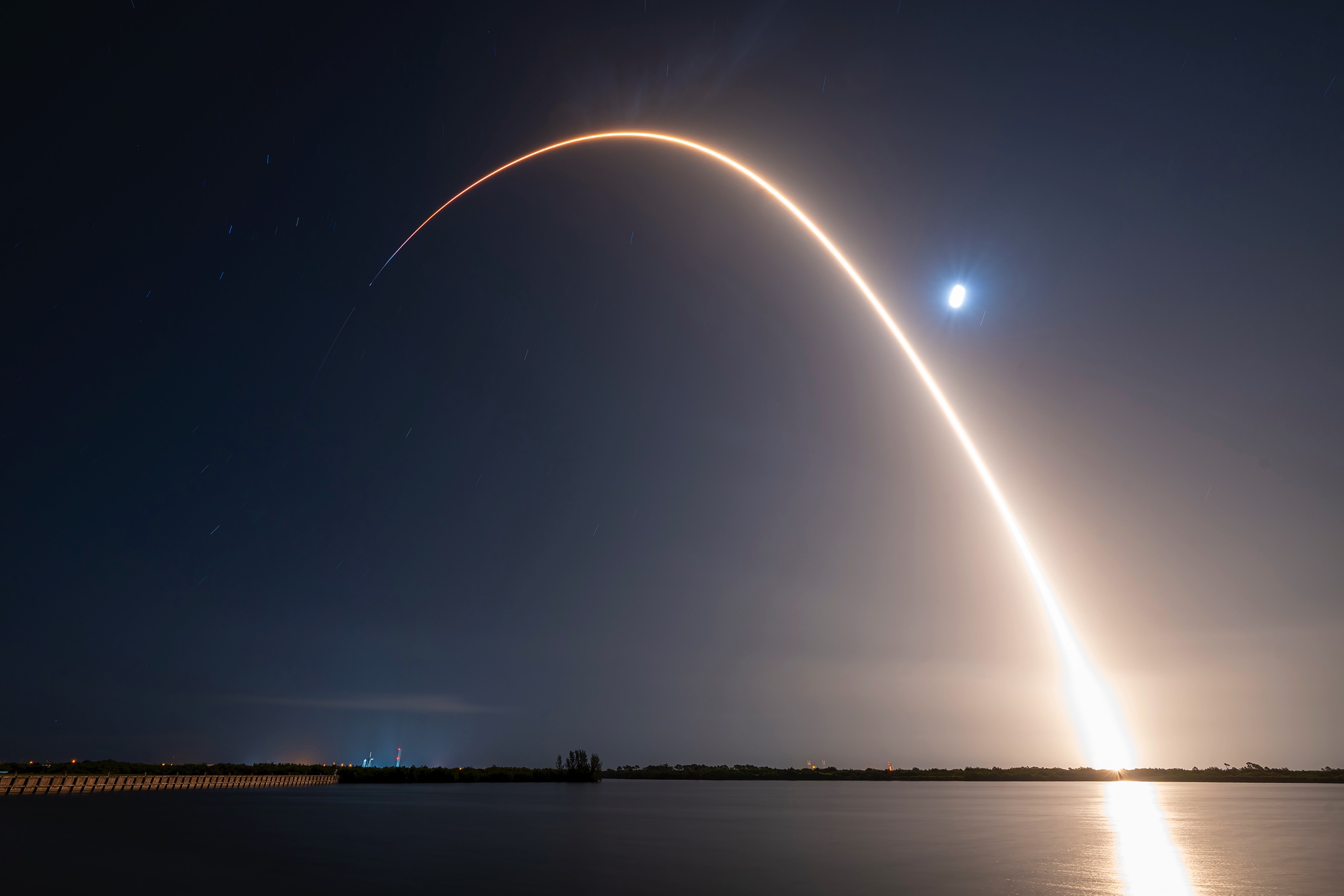
SpaceX Launches Amazon’s Project Kuiper Satellites into Orbit
In a significant development for the satellite broadband industry, SpaceX has successfully launched two prototype satellites for Amazon’s Project Kuiper. This launch took place on July 16, marking a pivotal moment as Amazon seeks to establish its own constellation of broadband satellites. By utilizing SpaceX’s Falcon 9 rocket for this mission, Amazon has taken a crucial step toward building its ambitious Project Kuiper network, which aims to provide global internet coverage.
The Launch and Its Significance
The launch occurred from Cape Canaveral Space Force Station in Florida, where the Falcon 9 rocket carried Amazon’s two prototype satellites into orbit. These satellites, named Kuipersat-1 and Kuipersat-2, are the initial test vehicles for the larger constellation that Amazon plans to deploy over the coming years. The successful deployment of these prototypes is essential for Amazon as it tests and refines the technology needed for future mass production and launches.
This collaboration between SpaceX and Amazon is noteworthy due to their standing as competitors in the satellite internet sector. SpaceX, through its Starlink project, has already launched thousands of satellites and begun offering internet services to customers globally. Amazon’s Project Kuiper, on the other hand, is still in its nascent stages but holds significant potential given Amazon’s vast resources and technological prowess.
Understanding Project Kuiper
Project Kuiper is Amazon’s ambitious plan to create a network of over 3,200 satellites in low Earth orbit (LEO). The goal is to provide high-speed, low-latency broadband internet to underserved and remote areas around the globe. The project was named after Gerard Kuiper, a renowned planetary scientist. The choice of a satellite constellation model, similar to SpaceX’s Starlink, allows for widespread coverage and improved service in areas where traditional internet infrastructure is lacking or inefficient.
The two prototype satellites launched are pivotal for testing several key technologies and processes. These include communication links, power and propulsion systems, and the ability to safely deorbit at the end of their life span. By testing these satellites in a real-world environment, Amazon can gather valuable data to optimize the design and functionality of future satellites in the Kuiper network.
The Path Ahead for Project Kuiper
Amazon has committed over $10 billion to the development and deployment of Project Kuiper. This substantial investment underscores the company’s commitment to entering and competing in the satellite internet market. With the successful launch of the prototype satellites, the company is poised to advance toward its goal of launching operational satellites in the near future.
The timeline for Project Kuiper’s full deployment remains ambitious. Amazon plans to have half of the constellation operational by 2026, with full deployment expected by 2029. The company is actively seeking partnerships with various launch providers to ensure the timely and efficient deployment of its satellites. This strategy includes agreements with Arianespace, Blue Origin, and United Launch Alliance, in addition to SpaceX.
The Competitive Landscape
The satellite broadband market is becoming increasingly competitive, with several major players vying for dominance. SpaceX’s Starlink is currently the most prominent, with over 3,000 satellites in orbit and an expanding customer base. However, Amazon’s entry into the market with Project Kuiper promises to intensify competition, potentially leading to innovative advancements and better services for consumers.
Amazon’s approach is marked by its focus on affordability and accessibility. The company aims to provide cost-effective internet solutions to areas that lack reliable connectivity, including rural and remote regions. By leveraging its extensive logistics network and global reach, Amazon is well-positioned to deliver on this promise.
Technical Challenges and Innovations
Developing and deploying a satellite constellation of this magnitude is not without its challenges. Technical hurdles include ensuring reliable satellite operations, managing orbital debris, and avoiding interference with other satellite systems. Amazon is addressing these challenges through rigorous testing, collaboration with industry experts, and adherence to international regulations.
One of the innovative aspects of Project Kuiper is its focus on minimizing environmental impact. The satellites are designed to be fully deorbitable, meaning they will safely burn up in the Earth’s atmosphere at the end of their operational life, reducing the risk of space debris. Additionally, Amazon is working on advanced ground station technology to enhance the efficiency and reliability of communication with its satellites.
Industry Reactions and Future Implications
The successful launch of Project Kuiper’s prototypes has elicited positive reactions from industry experts and stakeholders. Many view this as a significant step forward for Amazon and a testament to the growing importance of satellite internet in today’s digital age. The collaboration between SpaceX and Amazon, despite their competitive positions, highlights the potential for cooperation in advancing space technology.
As Project Kuiper progresses, it is expected to have far-reaching implications for global connectivity and the satellite industry. The increased competition could lead to lower prices and improved services for consumers, particularly in underserved regions. Furthermore, the advancements in technology and infrastructure associated with Project Kuiper may pave the way for future innovations in space and telecommunications.
Conclusion
The launch of Amazon’s Project Kuiper prototype satellites marks a crucial milestone in the company’s journey to establish a global satellite broadband network. By leveraging SpaceX’s Falcon 9 rocket, Amazon has demonstrated its commitment to advancing Project Kuiper and enhancing global internet accessibility. As the project moves forward, it will be closely watched by industry observers and consumers alike, eager to see how it will shape the future of satellite internet services.
For more detailed information, visit SpaceNews.
For more Information, Refer to this article.