Combating Rhino Poaching in South Africa: An Innovative Approach
South Africa, renowned for its rich biodiversity, faces a dire conservation crisis. Everyday, approximately one rhino falls victim to poaching, primarily for its horn. This illegal activity has significantly threatened the rhino population, pushing them closer to extinction. In response, an innovative initiative is being implemented to curb this rampant poaching and safeguard these majestic creatures.
Introduction to the Rhisotope Project
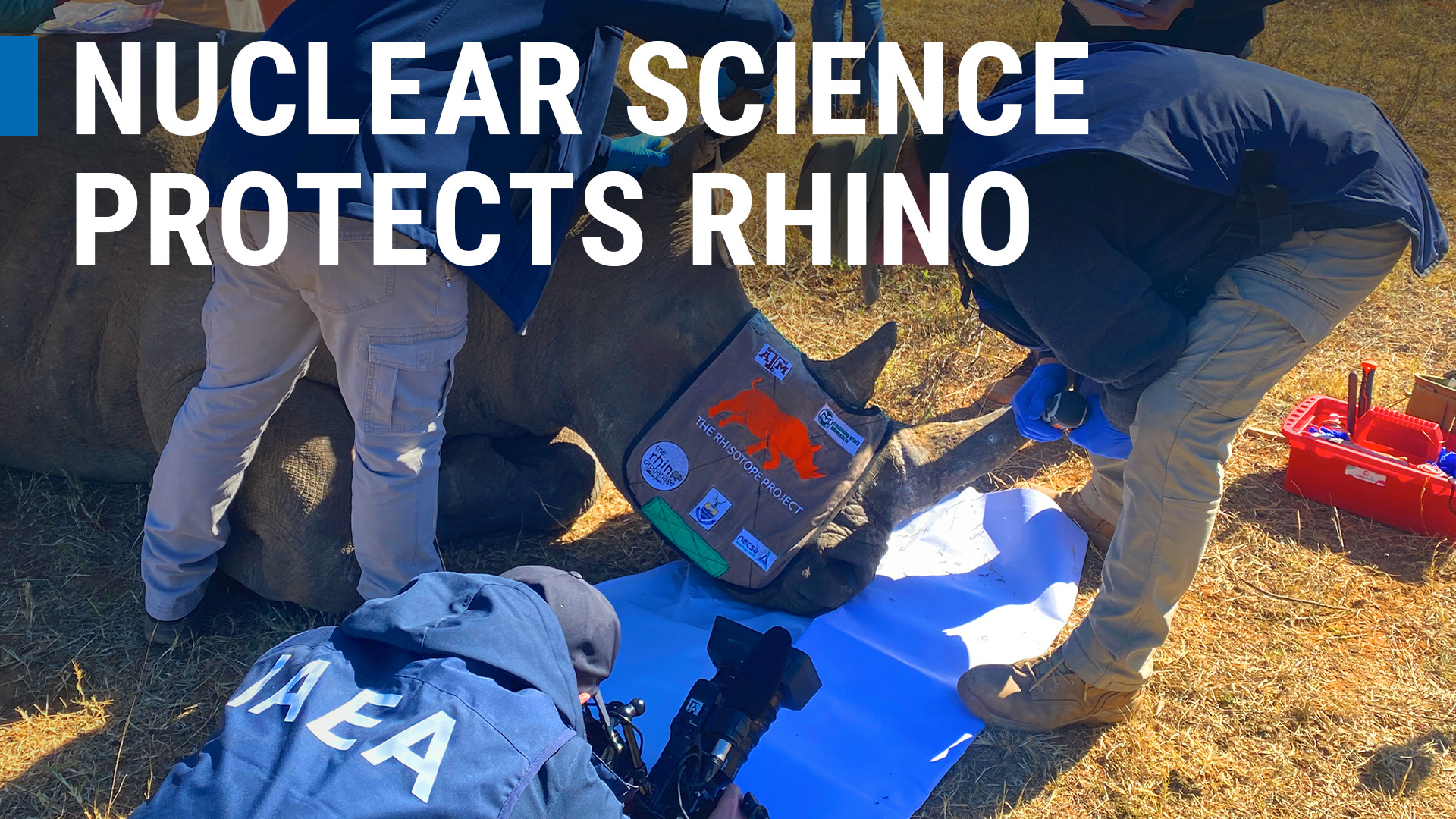
A groundbreaking initiative, known as the Rhisotope Project, is underway in South Africa. This project is leveraging nuclear security infrastructure in a novel way to protect rhinos from poachers. By integrating radioactive isotopes into the horn of the rhino, the project aims to create an effective deterrent against poaching.
Understanding the Use of Radioactive Isotopes
The Rhisotope Project, backed by the International Atomic Energy Agency (IAEA), involves the careful insertion of non-harmful radioactive isotopes into rhino horns. This method is designed to make the horns detectable at international borders, thereby preventing smuggling. The isotopes used are at levels that are non-toxic to the rhinos, ensuring their safety and well-being.
How the Project Works
The core idea is to make rhino horns traceable and easily detectable using standard radiation detection equipment at airports and border checkpoints. This would make it exceedingly difficult for smugglers to transport rhino horns covertly, as they could be easily identified and seized by customs and border protection agents.
The Importance of This Approach
The implementation of radioactive isotopes not only aims to protect rhinos but also serves as a potential model for other wildlife conservation efforts globally. By leveraging existing nuclear security technologies, the project offers a sustainable and scalable solution to combat wildlife trafficking. This innovative strategy could be adapted for use with other endangered species, providing a broader impact on global wildlife conservation efforts.
The Role of the IAEA
The International Atomic Energy Agency’s involvement in the Rhisotope Project underscores the potential for cross-disciplinary solutions to environmental and conservation challenges. The IAEA brings its expertise in nuclear technology and safety to ensure that the isotopes are used effectively and without risk to the animals or the environment. This collaboration highlights the importance of international cooperation in addressing global issues such as wildlife poaching.
Challenges and Considerations
While the Rhisotope Project represents a promising solution, it is not without challenges. The implementation of this technology requires significant resources and coordination among various stakeholders, including wildlife conservationists, nuclear scientists, and law enforcement agencies. Additionally, public perception and acceptance of the use of radioactive materials in conservation efforts must be carefully managed to ensure ongoing support for the initiative.
Broader Implications for Global Conservation
The success of the Rhisotope Project could signal a new era in wildlife conservation, where advanced technologies are employed to protect endangered species. This could inspire similar initiatives around the world, fostering greater collaboration between different sectors to address complex conservation challenges.
Reactions and Reviews
The introduction of this innovative approach has been met with cautious optimism by the conservation community. Experts believe that by making rhino horns detectable, the project could significantly reduce the incentive for poaching. However, they also emphasize the need for comprehensive strategies that include community engagement, strengthening anti-poaching laws, and enhancing habitat protection efforts.
Conclusion
The Rhisotope Project represents a bold and innovative step forward in the fight against rhino poaching in South Africa. By utilizing nuclear technology in a new and impactful way, this initiative offers hope for the future of rhinos and potentially other endangered species. As the world continues to grapple with the challenges of wildlife conservation, projects like Rhisotope demonstrate the power of creativity and collaboration in finding solutions to preserve our planet’s biodiversity.
For more information on this project, its progress, and its impact, interested readers can follow updates from the International Atomic Energy Agency and other conservation organizations involved in this pioneering effort.
For more Information, Refer to this article.