























NASA Awards Blue Origin Task Order to Deliver VIPER Rover to Moon’s South Pole
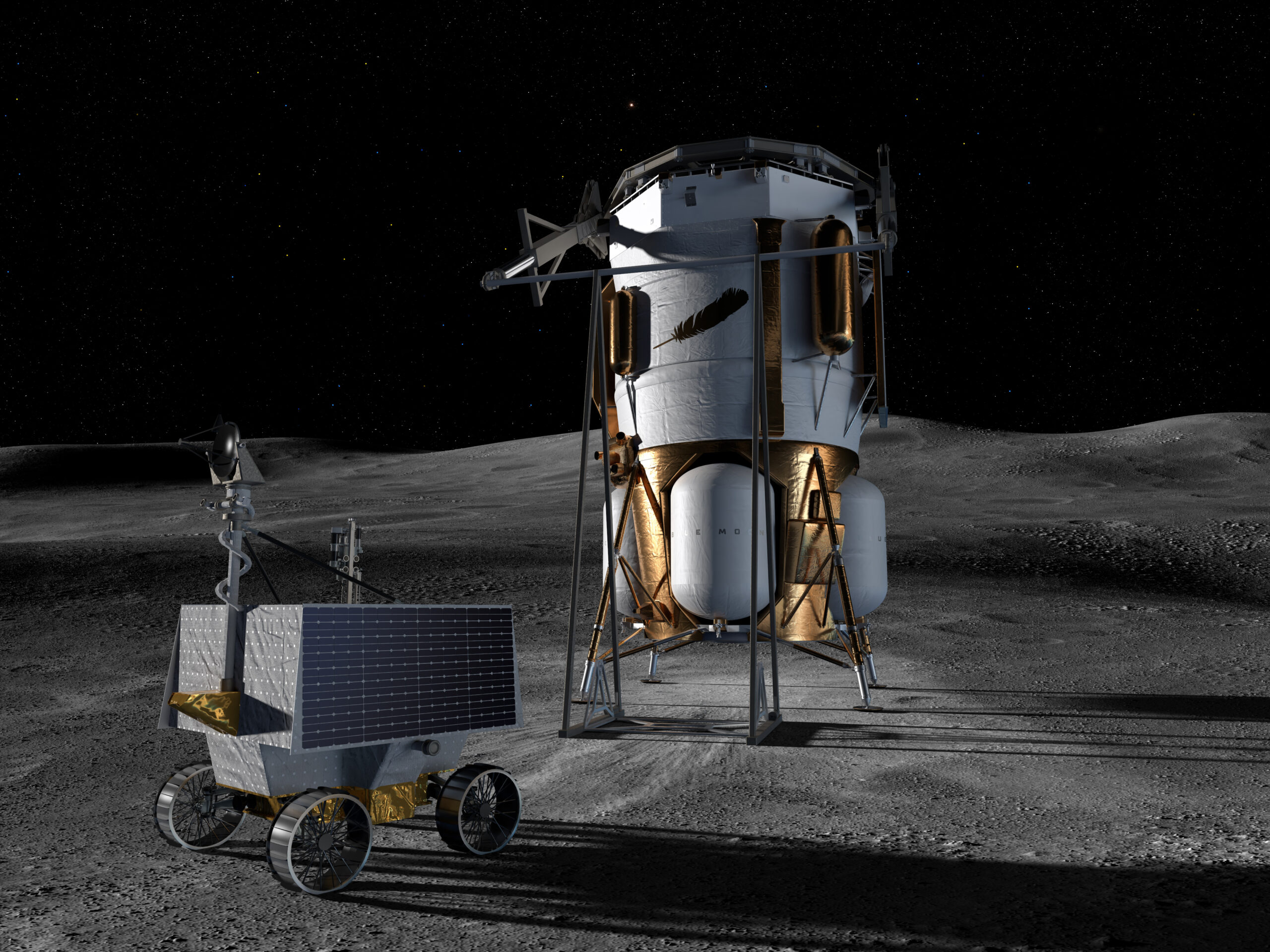
In a significant step forward for lunar exploration, NASA has granted Blue Origin, a private aerospace manufacturer based in Kent, Washington, a crucial task order under the Commercial Lunar Payload Services (CLPS) program. This initiative is a part of NASA’s broader Artemis campaign, which aims to explore the Moon more extensively than ever before and establish a sustained human presence on its surface. Blue Origin has been tasked with the option to deliver NASA’s VIPER (Volatiles Investigating Polar Exploration Rover) to the Moon’s enigmatic South Pole. This rover is designed to search for valuable resources like ice, which could be critical for future lunar and even Martian exploration.
A New Era of Lunar Exploration
Acting NASA Administrator Sean Duffy highlighted the significance of this mission, stating that NASA is at the forefront of exploring new territories on the Moon. "This delivery is just one of many ways we’re leveraging U.S. industry to support a long-term American presence on the lunar surface," Duffy remarked. The VIPER rover is set to venture into the challenging environment of the Moon’s South Pole, exploring areas that remain shrouded in permanent shadow. The information gathered from these regions will be instrumental in identifying potential landing sites for future astronaut missions and understanding the lunar environment—a crucial step toward sustaining human life on longer missions.
Financial and Strategic Details of the CLPS Task Order
The task order awarded to Blue Origin carries a potential value of $190 million. This marks the second instance where Blue Origin has been selected for a CLPS lunar delivery. Their initial mission, which involves the Blue Moon Mark 1 (MK1) robotic lander, is scheduled for launch later this year. This mission will deliver crucial scientific payloads, including Stereo Cameras for Lunar-Plume Surface Studies and the Laser Retroreflective Array, to the Moon’s South Pole.
Under the newly awarded task, Blue Origin is set to deliver VIPER to the lunar surface by late 2027 using a second Blue Moon MK1 lander, which is currently being developed. It’s worth noting that NASA had previously shelved the VIPER project but has since reconsidered and is now exploring alternative methods to achieve its objectives of mapping potential off-planet resources like water.
Harnessing Lunar Resources for Future Exploration
Nicky Fox, the associate administrator for NASA’s Science Mission Directorate, emphasized the commitment to lunar exploration. "NASA is committed to studying and exploring the Moon, including learning more about water on the lunar surface, to help determine how we can harness local resources for future human exploration," Fox explained. She also highlighted the importance of cost-effective and innovative approaches in achieving these exploration goals, noting that private sector-developed landing capabilities are crucial in ensuring that American leadership in space exploration remains robust and affordable.
The Technical and Strategic Framework
The task order, designated as CS-7, lays the foundation for designing payload-specific accommodations and demonstrating how Blue Origin’s flight design will facilitate the deployment of the rover onto the lunar surface. There’s an option within the contract to safely deliver and deploy the rover on the Moon. NASA will decide whether to proceed with this option only after the successful execution and review of the initial task and the first flight of the Blue Moon MK1 lander. This strategic approach is intended to minimize both financial and technical risks. The rover’s mission has a 100-day science window, with a landing deadline set for late 2027.
Blue Origin’s Role and Responsibilities
As part of this mission, Blue Origin is tasked with the complete landing mission architecture. This includes the design, analysis, and testing of a large lunar lander capable of safely delivering the VIPER rover. The company will manage all aspects of payload integration, planning, and support, as well as post-landing payload deployment activities. NASA, on the other hand, will handle rover operations and the planning of scientific investigations.
The Importance of Lunar Volatiles Exploration
Joel Kearns, deputy associate administrator for exploration at NASA’s Science Mission Directorate, articulated the critical role of searching for lunar volatiles. "The search for lunar volatiles plays a key role in NASA’s exploration of the Moon, with important implications for both science and human missions under Artemis," Kearns said. He further elaborated on how this mission could help identify where ice might be most accessible, serving as a vital resource for future human endeavors on the Moon. Understanding these sources of lunar water will also provide valuable insights into the distribution and origin of volatiles across the solar system, enhancing our comprehension of the processes that have shaped our cosmic environment.
Continuing Leadership in Commercial Space Exploration
Through the CLPS program, American companies are consistently demonstrating leadership in the burgeoning field of commercial space exploration. They are advancing capabilities and achieving NASA’s vision for a commercial lunar economy. The development of the VIPER rover has been spearheaded by NASA’s Ames Research Center in California’s Silicon Valley, which will also lead scientific investigations. Meanwhile, NASA’s Johnson Space Center in Houston has contributed to the rover’s engineering development.
For those interested in delving deeper into the CLPS program and the Artemis campaign, more information can be found on NASA’s official website at NASA CLPS.
This task order marks a pivotal moment in the collaboration between NASA and the private sector, as the pursuit of knowledge and resources on the Moon continues to drive technological innovation and exploration strategies. As we move closer to the launch date, the world will be watching, eager to see the advancements this mission will bring to our understanding of the Moon and beyond.
For more Information, Refer to this article.