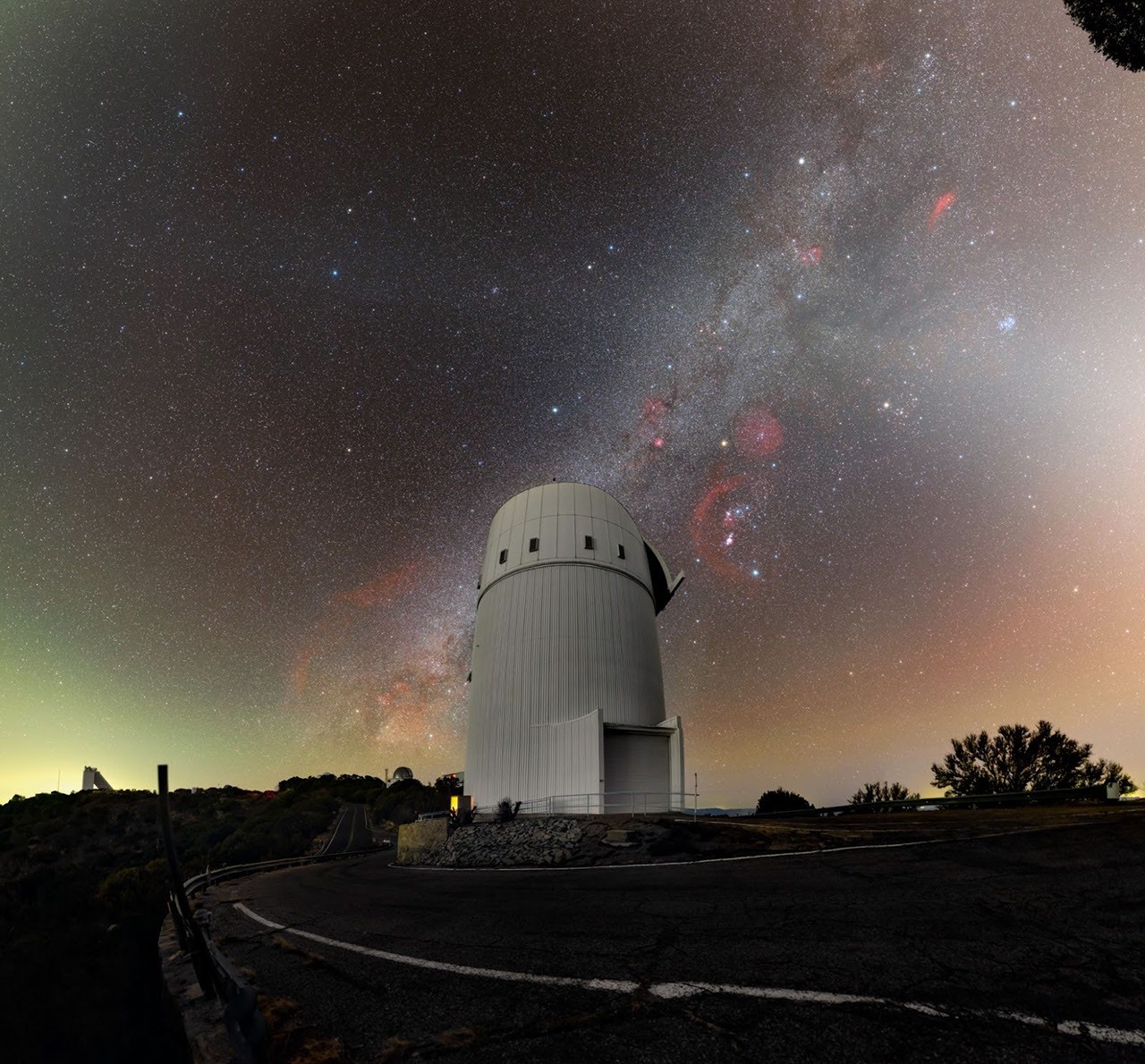
The Daily Minor Planet citizen science project has exciting news to share with its volunteers! In addition to the data received from the Catalina Sky Survey’s Mt. Lemmon telescope in Arizona, the project’s science team is now processing images from the powerful Bok 2.3-meter telescope at Kitt Peak National Observatory. This telescope, operated by the University of Arizona’s Steward Observatory, is dedicated to surveying for new near-Earth objects (NEOs) such as asteroids that cross Earth’s orbit.
The data obtained from the Bok telescope goes even deeper than the data from the Mt. Lemmon telescope, revealing objects that are roughly two to three times fainter. While software may struggle to detect these faint objects, human eyes excel at pattern recognition, making the contributions of citizen scientists invaluable in this search for NEOs.
One significant advantage of the new data is that it primarily comes from the ecliptic, which is the band of sky where asteroids and comets tend to travel. The project team anticipates that this deeper and ecliptic-focused coverage will lead to a significant increase in the number of main-belt asteroids that can be recovered and confirmed, as well as the discovery of new near-Earth asteroid candidates.
Volunteers are encouraged to watch for new Bok subject sets as they are added to the project. These sets may pose a greater challenge, but they also offer greater rewards in terms of contributing to cutting-edge asteroid research.
The Daily Minor Planet is a citizen science project hosted by Zooniverse, which provides regular updates and utilizes nightly data from the Catalina Sky Survey. Participation in this project is open to anyone with a laptop or smartphone, allowing individuals to contribute to real scientific research from the comfort of their own homes.
By expanding its collaboration with the Bok telescope, The Daily Minor Planet project is poised to make significant strides in the discovery and confirmation of asteroids, ultimately advancing our understanding of these celestial objects and their potential impact on Earth. Joining this project not only provides a unique opportunity to engage with the scientific community but also offers a chance to make a meaningful contribution to the field of astronomy.
For more Information, Refer to this article.