Kīlauea, the active volcano in Hawaii, has been experiencing episodic activity for over a year now since its reawakening in December 2024. This ongoing eruption has seen multiple instances of lava fountaining, with each episode lasting anywhere from a few hours to several days.
Recently, on March 10, 2026, the volcano entered its 43rd episode of the eruption, showcasing some of the most intense activity yet. Lava spewed from two active vents on the southwest side of Halema‘uma‘u Crater, reaching a height of approximately 1,770 feet (540 meters). This eruption also resulted in ash and other debris falling on communities up to 50 miles (80 kilometers) away.
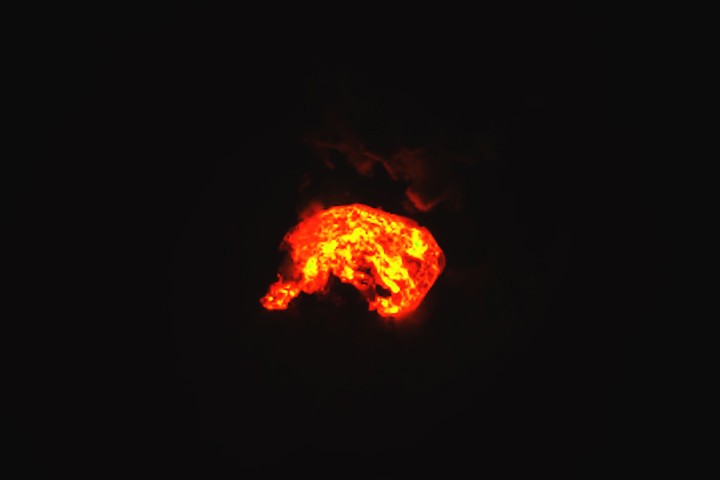
Following the eruption, the Landsat 9 satellite captured images of the still-hot lava using shortwave infrared and near-infrared data. This data, acquired by the satellite’s Operational Land Imager (OLI), revealed the heat emanating from the lava flow in the summit caldera. The total volume of lava erupted during this episode was estimated to be around 16 million cubic yards (12 million cubic meters), contributing to a cumulative total of close to 325 million cubic yards (250 million cubic meters) since December 2024. Additionally, the depth of lava in the crater has increased by approximately 300 feet (90 meters) over the same period.
While the lava remained contained within the summit area, volcanic material traveled much farther, with a volcanic plume drifting northeast from the vents. This plume reached a height in the atmosphere of over 30,000 feet (9,100 meters) above sea level, resulting in the elevation of the aviation color code to red. As a safety precaution, several flights at the airport in Hilo were canceled due to the ash and volcanic gas in the air.
The eruption also led to the temporary closure of Highway 11 and the evacuation of visitors from parts of Hawaiʻi Volcanoes National Park. Volcanic debris, including ash and Pele’s hair (fine volcanic glass fibers), fell across various communities, causing irritations to the eyes, skin, and respiratory system. The Hawaiian Volcano Observatory issued warnings about the potential impact on water quality for those using rainwater catchment systems.
It is essential for residents and visitors in the affected areas to stay informed about the ongoing volcanic activity and follow safety guidelines provided by local authorities. The continuous monitoring of Kīlauea by scientific institutions such as the US Geological Survey and NASA helps to track the volcano’s behavior and provide timely warnings to ensure the safety of the surrounding communities.
For more information on Kīlauea’s eruption history and ongoing activity, you can refer to resources such as NASA Earth Observatory, US Geological Survey, and Earthdata. Stay updated on the latest developments and safety precautions as the volcano continues to exhibit episodic activity in the coming months.
For more Information, Refer to this article.