The U.S. Space Force has recently made the decision to reassign the launch of another GPS satellite from United Launch Alliance to SpaceX. This marks the fourth time that a Global Positioning System mission has been shifted between the two providers.
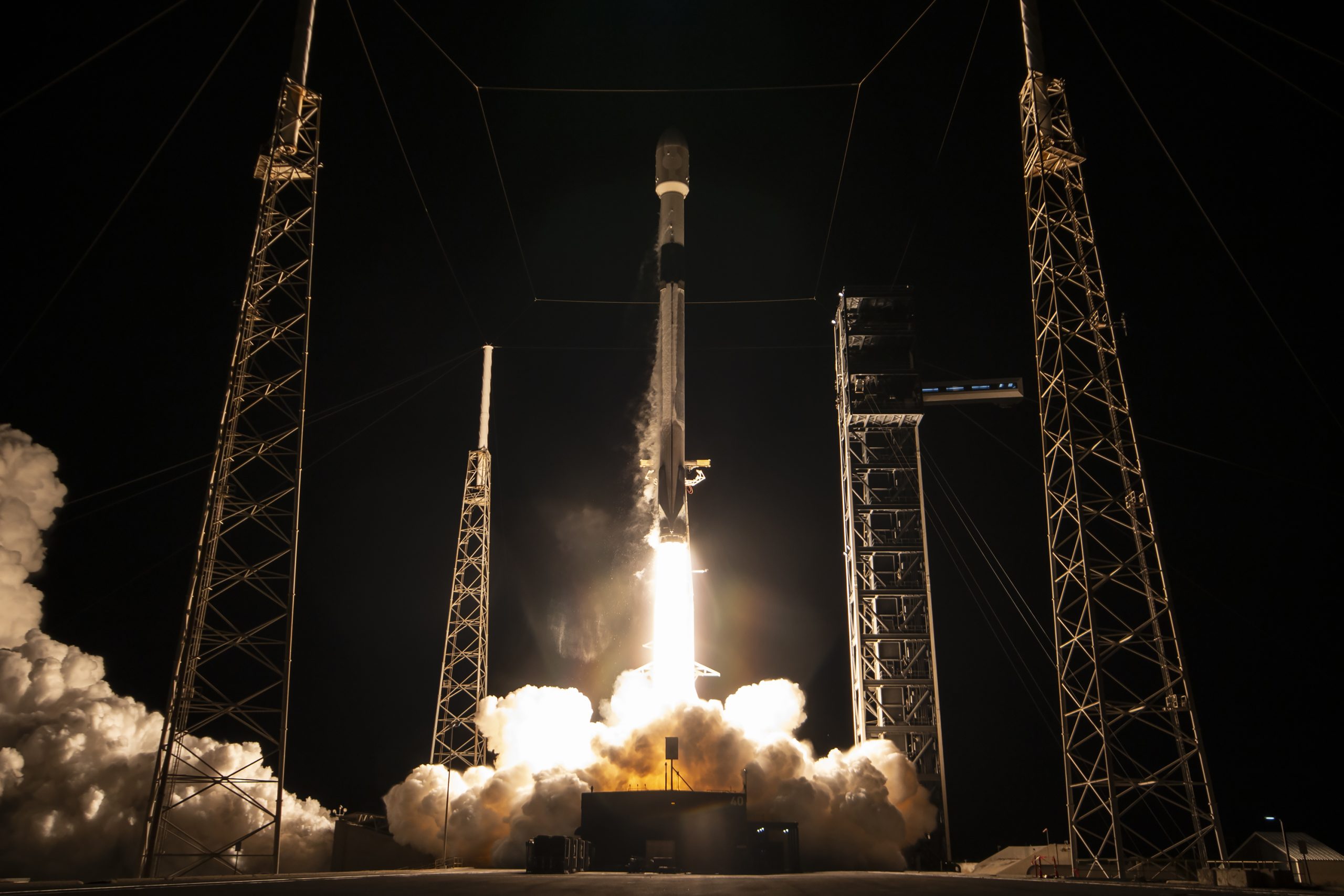
The GPS III SV-10 satellite, originally planned to launch on ULA’s Vulcan Centaur rocket, will now be launched aboard a SpaceX rocket from Cape Canaveral Space Force Station in late April. This change comes as a result of an ongoing pause in Vulcan operations following a solid rocket booster anomaly observed during a previous mission.
The Space Systems Command stated that the reassignment was necessary to ensure the continued delivery of this critical system while the investigation into the Vulcan anomaly continues. This move highlights the Space Force’s commitment to maintaining deployment schedules for GPS satellites, which play a crucial role in providing positioning, navigation, and timing services for military systems and civilian infrastructure worldwide.
Col. Ryan Hiserote, director of the national security launch program, emphasized the team’s flexibility in adapting to these changes. As part of the NSSL Phase 2 contract, ULA and SpaceX were originally awarded a split of missions over five years, with ULA’s Vulcan rocket now assigned to the USSF-70 mission in the summer of 2028.
SpaceX has been responsible for launching most GPS III satellites, with previous reassignments for missions such as GPS III SV-09, which launched in January 2022, and SV-07 and SV-08 in December 2024 and May 2025, respectively. The Space Force has not provided a timeline for the Vulcan investigation or indicated if more missions may be reassigned in the future.
Overall, this reassignment underscores the Space Force’s commitment to ensuring the reliability and responsiveness of launch capabilities for critical satellite systems. Moving forward, both ULA and SpaceX will continue to play key roles in the National Security Space Launch program, despite the recent adjustments in mission assignments.
For more Information, Refer to this article.