
























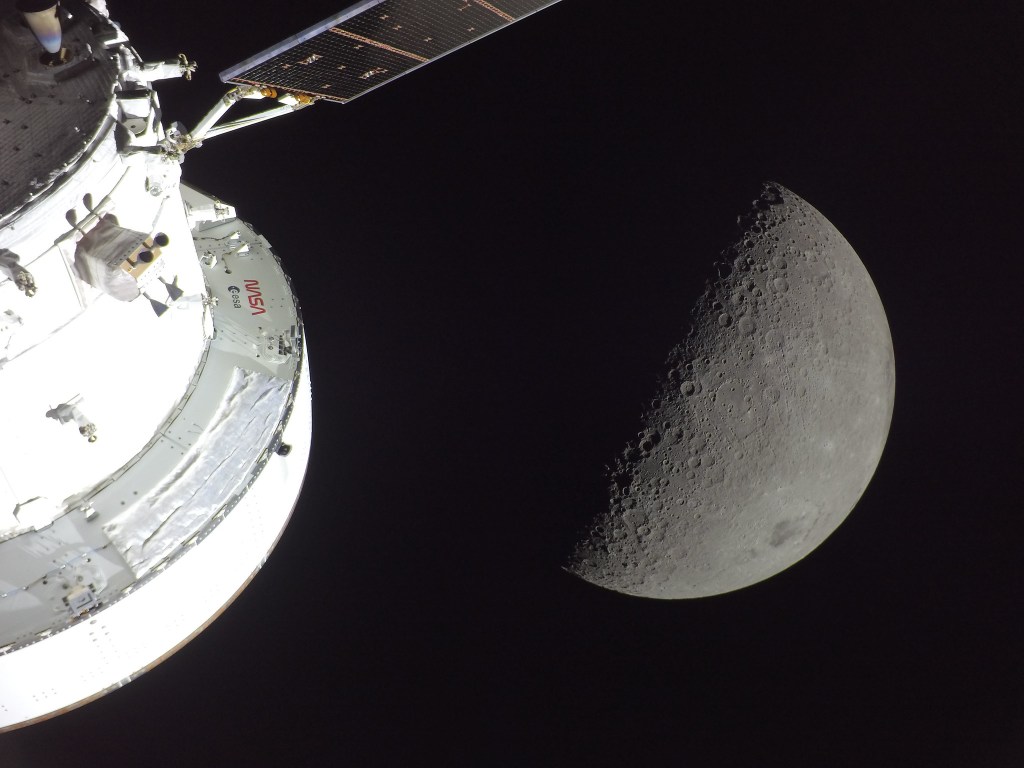
Artemis 2 Mission Marks a Milestone for NASA’s Lunar Exploration
The Artemis 2 mission has successfully launched, marking a significant step forward in NASA’s plans to return humans to the Moon. This mission, which took place on [insert date], is pivotal not just for space exploration but also for rekindling public interest in America’s space program. With a crew of four astronauts, Artemis 2 aims to pave the way for future lunar missions and ultimately prepare for human exploration of Mars.
The Crew and Their Objectives
The Artemis 2 crew consists of experienced astronauts, each bringing unique expertise to the mission. The team is led by Commander [insert name], who has previously flown on [insert previous missions]. Joining them are [insert names and roles of other crew members], all of whom have undergone extensive training to prepare for the challenges of space travel.
One of the primary objectives of Artemis 2 is to conduct a lunar flyby, which will allow the crew to test various systems aboard the Orion spacecraft. This mission serves as a critical rehearsal for Artemis 3, which aims to land astronauts on the Moon’s south pole.
Technological Advancements and Challenges
NASA’s Artemis program incorporates several technological advancements designed to enhance safety and efficiency during space travel. The Orion spacecraft features upgraded life support systems and enhanced navigation capabilities, ensuring that astronauts can operate effectively in deep space.
However, challenges remain. The complexities of launching from Earth and navigating through deep space require precise coordination among various teams on the ground and in orbit. NASA has implemented rigorous testing protocols to mitigate risks associated with these innovations.
Public Perception and Support for Space Exploration
The success of Artemis 2 comes at a time when public interest in space exploration is fluctuating. While there is considerable excitement surrounding the mission, it also raises questions about the long-term vision for NASA’s role in space exploration. Polls indicate that many Americans are unsure about the benefits of investing in government-led space initiatives.
Advocates argue that a robust government space program fosters technological innovation, inspires future generations, and enhances national prestige. Critics, however, contend that private companies could take on more responsibilities in space exploration, potentially leading to more efficient outcomes.
What This Means for Future Missions
The successful launch of Artemis 2 sets a precedent for subsequent missions under NASA’s Artemis program. It reinforces the agency’s commitment to returning humans to the Moon by 2025 and establishing a sustainable presence there by the end of this decade. The data collected during this mission will inform future lunar landings and contribute to preparations for eventual human missions to Mars.
Why It Matters
The Artemis 2 mission is not just another step in NASA’s agenda; it represents an opportunity for America to reaffirm its leadership in space exploration. As global competition intensifies with nations like China ramping up their lunar ambitions, maintaining a robust government presence in space becomes crucial. This mission could serve as a catalyst for renewed public support, emphasizing the importance of understanding humanity’s place in the universe while inspiring future generations of scientists and explorers.
For more information, read the original report here.