Chiang Mai’s Air Quality Crisis: Haze and Health Concerns Intensify
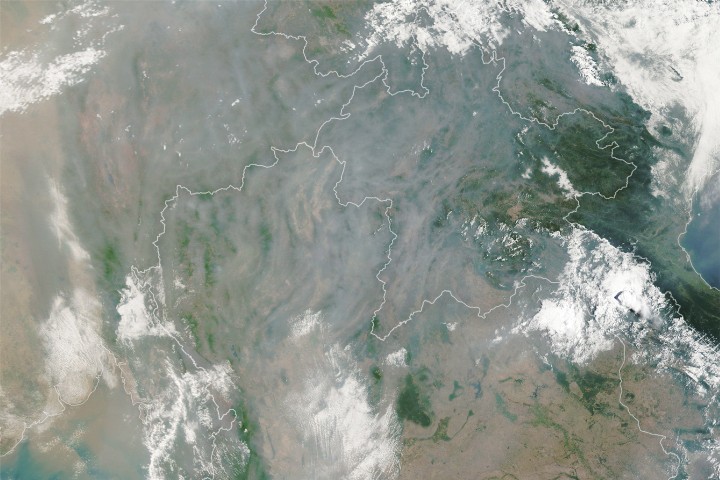
Chiang Mai, Thailand’s second-largest city, is grappling with worsening air quality as smoke from agricultural and forest fires shrouds the region. Recent satellite imagery captured on April 22, 2026, reveals a significant haze obscuring the city’s typically clear views of surrounding mountains, raising alarms about health risks and impacts on tourism.
The Source of the Haze
The persistent haze in Chiang Mai is primarily attributed to biomass burning, which includes small agricultural fires used to clear crop debris. This practice has intensified during the dry season, particularly in March and April, when fire activity peaks. Satellite sensors detected a surge in fire incidents throughout early 2026, with widespread activity reported in February and March. By April, the situation had escalated to alarming levels, significantly affecting air quality.
Research indicates that approximately 70 percent of fine particulate matter (PM2.5) in Chiang Mai during this period originates from these biomass burning activities. Other contributors include emissions from vehicles, power plants, and charcoal burning for cooking. The geographical layout of Chiang Mai exacerbates the problem; the surrounding mountains trap pollutants and create temperature inversions that prevent the dispersion of smoke.
Health Implications of Poor Air Quality
The air quality data collected on April 22 indicated “unhealthy” to “very unhealthy” levels of PM2.5 throughout Chiang Mai. Prolonged exposure to such high pollution levels poses serious health risks, including respiratory issues and cardiovascular diseases. Health experts warn that vulnerable populations—such as children, the elderly, and those with pre-existing health conditions—are particularly at risk during these hazardous air quality events.
The World Air Quality Index project has consistently reported elevated pollution levels in northern Thailand during this time of year, underscoring a growing public health crisis linked to air quality deterioration.
Impact on Tourism
The haze has also taken a toll on Chiang Mai’s tourism sector. Reports indicate a significant decline in international visitors due to poor air quality conditions. For instance, tourist arrivals in Pai—a popular destination northwest of Chiang Mai—plummeted by 90 percent following weeks of persistent haze. Local businesses reliant on tourism are feeling the economic strain as travelers seek cleaner environments elsewhere.
Tourism officials are concerned that if this trend continues, it could have long-lasting effects on the region’s economy and reputation as a travel destination known for its natural beauty and cultural heritage.
Meteorological Factors Contributing to Haze
Meteorological conditions have played a crucial role in exacerbating the haze crisis in northern Thailand. The ASEAN Specialised Meteorological Centre (ASMC) recently reported unusually warm and dry weather patterns across the region. On March 27, ASMC raised its alert level to three—the highest on its scale—indicating a “high risk” of severe transboundary haze due to prevailing winds expected to carry smoke across borders.
Forecasters predict that these dry conditions will persist throughout much of the Mekong sub-region, further heightening concerns about worsening air quality as hotspots for fires remain active. Experts warn that without immediate intervention or changes in land management practices, the situation may escalate further.
What This Means for Chiang Mai
The ongoing haze crisis in Chiang Mai highlights urgent public health concerns and economic implications for one of Thailand’s most cherished cities. As air quality continues to deteriorate due to seasonal biomass burning and unfavorable meteorological conditions, local authorities face increasing pressure to implement effective measures aimed at reducing pollution sources.
This situation serves as a critical reminder of the interconnectedness between environmental practices and public health outcomes. Policymakers must prioritize sustainable agricultural practices while promoting awareness about the health risks associated with poor air quality among residents and visitors alike. If left unaddressed, Chiang Mai’s struggle with haze could hinder its growth as a vibrant tourist destination and compromise the well-being of its inhabitants.
For more information, read the original report here.