NASA’s Landsat 9 Captures Stunning Autumn Colors in Patagonia
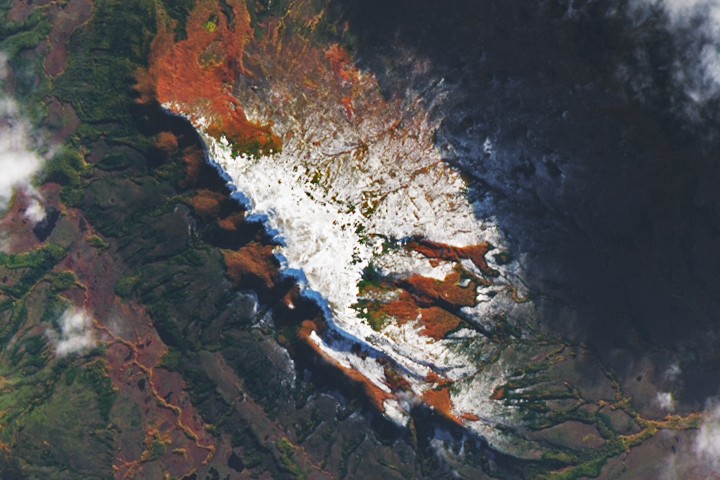
On April 12, 2026, the Landsat 9 satellite provided a breathtaking view of the Magallanes region in southern Chile, revealing vibrant reddish hillsides that showcase the unique autumn colors of Patagonia. This satellite imagery highlights the seasonal transformation of temperate deciduous forests, which briefly infuse the area with warm hues amidst its typically cooler color palette.
The Unique Ecosystem of Patagonia
Patagonia is home to the southernmost temperate forests in the world, characterized by their distinct biodiversity. Among these forests are various species of southern beech trees (genus Nothofagus), which play a crucial role in the region’s ecosystem. These trees are remarkably adaptable, capable of thriving in diverse climates ranging from freezing temperatures to arid conditions with minimal rainfall.
During autumn, deciduous varieties like the lenga beech (Nothofagus pumilio) transform their foliage into brilliant yellows and reds as daylight hours shorten and temperatures drop. The lenga beech has an extensive range, stretching from approximately 36 degrees south latitude down to Tierra del Fuego at around 55 degrees south. This range covers nearly 2,000 kilometers (1,200 miles) along the Andes and includes areas vividly depicted in recent satellite images.
Characteristics of Lenga Beech Forests
Lenga beeches often dominate the forests where they grow, establishing themselves as either the primary or sole tree species within these ecosystems. Researchers have noted that these trees typically mark the highest elevations at which trees can thrive in their habitats. In warmer northern regions, lenga beeches are found at higher altitudes—around 1,700 meters (5,600 feet)—while in cooler southern areas, they thrive at lower elevations. The red-tinted ridges captured by Landsat 9 are situated roughly 100 kilometers (60 miles) northwest of Punta Arenas at about 600 meters (2,000 feet) above sea level.
Autumnal Displays Across Iconic Locations
The autumn foliage of lenga and other southern beech forests attracts numerous visitors to Patagonia’s renowned sites. Conguillío National Park is particularly famous for its striking displays of reds and yellows set against clear lakes and volcanic peaks. Similarly, locations such as Torres del Paine and Tierra del Fuego feature trees like Nothofagus antarctica—commonly known as ñire or “Antarctic fire”—which contribute additional bursts of color to the landscape during this vibrant season.
These seasonal changes not only enhance the visual appeal of these regions but also play a significant role in local ecology by supporting various wildlife species that depend on these forests for habitat and sustenance.
The Role of Satellite Imagery in Environmental Monitoring
The use of satellite technology like Landsat 9 is instrumental in monitoring environmental changes and understanding ecological dynamics across vast landscapes. By capturing high-resolution images of regions like Patagonia during different seasons, scientists can analyze patterns related to climate change, deforestation, and biodiversity loss. The data collected can inform conservation efforts and help policymakers make informed decisions regarding land use and environmental protection.
The Landsat program has been pivotal since its inception in 1972, providing continuous data that allows researchers to track changes over time. The latest satellite continues this legacy by offering insights into how ecosystems adapt to seasonal shifts while also highlighting areas that may require conservation attention.
What This Means for Conservation Efforts
The stunning autumn colors captured by Landsat 9 serve as a reminder of Patagonia’s ecological richness and its vulnerability to environmental changes. As climate change poses increasing threats to global ecosystems, understanding these seasonal transformations becomes critical for effective conservation strategies. The data from such satellite imagery not only enhances public awareness but also aids scientists and conservationists in prioritizing areas for protection and restoration efforts.
As more people become aware of Patagonia’s unique beauty through images like those from Landsat 9, there is potential for increased support for conservation initiatives aimed at preserving these irreplaceable ecosystems for future generations.
For more information, read the original report here.