






















During the recent UEFA EURO 2020 round of 16 football match between England and Germany, a peculiar phenomenon occurred in the U.K. Millions of viewers across the nation simultaneously paused their screens and turned on their kettles during half-time. This seemingly innocent action caused a significant spike in electricity demand, equivalent to the output of a standard nuclear reactor, within a matter of minutes. The National Grid, responsible for providing electricity to England and Wales, had to swiftly manage this sudden increase to maintain system stability. This challenge of managing peak demand could become even more complex as the grid continues to onboard new large customers.
However, what if these new customers could actually assist in relieving the grid during periods of strain? In a recent white paper collaboration between Emerald AI, NVIDIA, EPRI, National Grid, and Nebius, the concept of “power-flexible” AI factories was introduced. These AI factories have the capability to autonomously adjust their power usage during peak demand, offering a potential solution to grid management challenges.
The implementation of power-flexible AI factories could lead to faster grid connections without the need for extensive infrastructure upgrades. By curbing peak loads and reducing strain on the grid, this technology aims to keep electricity rates affordable for consumers. The ability of AI factories to act as flexible grid assets could revolutionize the energy sector by optimizing existing capacity and minimizing the need for costly infrastructure expansions.
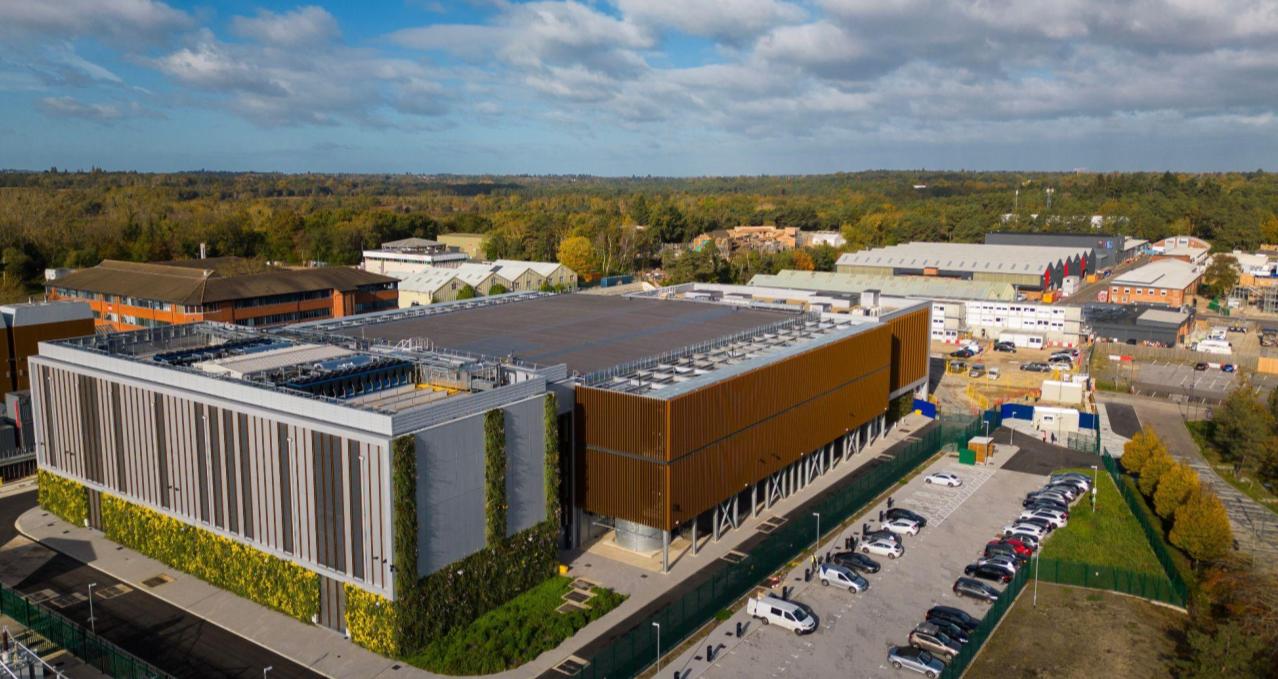
Following successful trials at AI factories in the United States, Emerald AI brought its flexible grid solution to Nebius’ AI factory in London, which is built on NVIDIA infrastructure. The research team conducted production-grade AI workloads using NVIDIA Blackwell Ultra GPUs connected through the NVIDIA Quantum-X800 InfiniBand platform. By utilizing the NVIDIA System Management Interface, consistent power telemetry data was collected from the GPUs.
EPRI and National Grid simulated various stress scenarios on the power grid and instructed the AI factory to adjust its power consumption accordingly using the Conductor Platform. One such scenario involved replicating the energy surge caused by the “TV pickup” phenomenon during the Euro 2020 football match. The AI cluster successfully mitigated the abrupt power surge, acting as a shock absorber for the grid while maintaining priority AI workloads.
This innovative technology not only enhances grid stability but also accelerates the connection of AI factories to the grid. By leveraging existing power grids, AI factories can become valuable assets to the grid, contributing to a more efficient and sustainable energy system. The Emerald AI Conductor Platform demonstrated exceptional performance during the Nebius AI factory demonstration, aligning with over 200 power targets set by EPRI and National Grid.
The potential of power-flexible AI factories extends beyond grid management, offering economic opportunities and industry growth. By integrating these solutions into London’s power grid, operators can optimize existing infrastructure and support the burgeoning AI sector in the U.K. The upcoming deployment of power-flexible AI factories, such as the Aurora AI Factory in Virginia, signals a new era in energy management and industry collaboration.
In conclusion, the emergence of power-flexible AI factories represents a significant advancement in grid management and energy efficiency. By harnessing the flexibility of AI technologies, the energy sector can enhance grid stability, support economic growth, and pave the way for a more sustainable future. Learn more about the groundbreaking power-flexible AI factory powered by NVIDIA GPUs and the transformative impact it can have on the energy industry.
For more Information, Refer to this article.