




















Advances in Real-Time Speech Translation in Google Meet
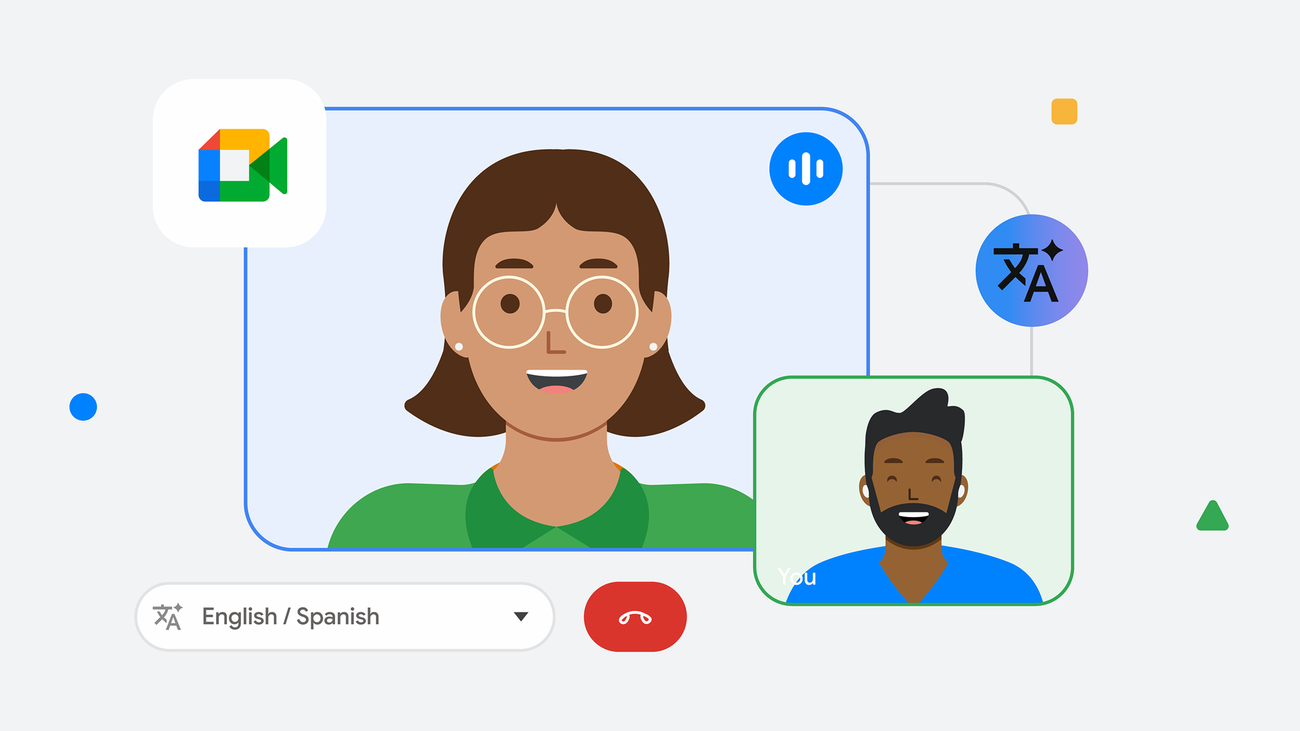
In the ever-evolving realm of technology, the integration of artificial intelligence (AI) into everyday applications continues to provide groundbreaking advancements. A significant development has emerged from the collaborative efforts of Google’s audio engineering team and Google DeepMind. Under the leadership of Fredric, the team has embarked on an ambitious journey to revolutionize real-time speech translation in Google Meet. This initiative commenced nearly two years ago, with the initial challenge being to transform offline translation capabilities into instantaneous ones, vital for live interactions in Google Meet. Fredric recalls, “When we started, we thought, ‘Maybe this will take five years.’” However, the pace of AI innovation has been astonishingly rapid, allowing them to make significant strides in just two years. Today, a diverse team of engineers from Google’s various sectors, including Pixel, Cloud, and Chrome, are working in unison with Google DeepMind to achieve this remarkable feat of real-time translation.
Breakthroughs in Translation Technology
Traditionally, audio translation involved a cumbersome multi-step process: the spoken words were first transcribed into text, then translated into the desired language, and finally converted back into speech. This sequence of actions resulted in noticeable delays, often spanning 10 to 20 seconds, which hindered natural conversation flow. Moreover, the translated voice lacked the unique characteristics of the original speaker, creating a generic output that failed to resonate with listeners.
The pivotal breakthrough in this field, as explained by Huib, the product management lead for audio quality, stemmed from the development of "large models" capable of "one-shot" translation. Unlike the large language models (LLMs) typically discussed, these models can process audio input and almost instantaneously produce audio output. This innovation has significantly reduced the latency, making the translation process mimic the efficiency of a human interpreter. Huib notes that they identified a two to three-second delay as the optimal duration for translation, as faster outputs were difficult to comprehend, while slower ones disrupted the natural flow of conversation. This timing enables Google Meet to facilitate simultaneous conversations across different languages seamlessly.
Problem-Solving and Big Improvements
The journey to develop this sophisticated feature was fraught with challenges. Ensuring high-quality translation was paramount, yet it was influenced by various factors such as speaker accent, background noise, or network conditions. Despite these obstacles, the teams from Google Meet and DeepMind collaborated to fine-tune the models, conducting rigorous tests and making adjustments based on real-world performance.
A crucial aspect of their testing phase involved collaboration with linguists and language experts to grasp the nuances of translation, including accents. Languages with close affinities, such as Spanish, Italian, Portuguese, and French, were relatively straightforward to integrate. However, structurally different languages like German posed greater challenges due to significant variations in grammar and idiomatic expressions. Currently, the model tends to translate most expressions literally, which can occasionally result in humorous misunderstandings. Fredric and Huib acknowledge these limitations but are optimistic that future updates, leveraging advanced LLMs, will better capture subtle nuances, including tone and irony.
The Future of Real-Time Translation
The introduction of real-time translation in Google Meet is poised to transform the way people communicate across language barriers. This technology holds the potential to enhance global collaboration, enabling individuals and businesses to engage in meaningful conversations without the hindrance of language differences. The implications of this advancement are vast, extending beyond corporate settings to educational and personal interactions, where seamless communication can create richer and more inclusive experiences.
Good to Know: The Role of AI in Real-Time Translation
AI plays a pivotal role in the development of real-time translation technologies. By utilizing advanced algorithms and machine learning techniques, AI systems can analyze and process vast amounts of linguistic data to improve translation accuracy. This capability allows the models to learn from diverse language patterns, adapting to various accents, dialects, and cultural nuances. As AI continues to evolve, it is expected to further enhance the precision and efficiency of real-time translation, making it an indispensable tool in our interconnected world.
References and Reactions
The advancements in real-time translation have garnered attention from industry experts and users alike. Many applaud Google’s efforts to bridge language gaps and create a more inclusive digital environment. The collaboration between Google’s various teams and DeepMind highlights the importance of interdisciplinary efforts in achieving technological breakthroughs. As this technology continues to develop, it is anticipated to inspire further innovations in the realm of communication and beyond.
In conclusion, the real-time speech translation feature in Google Meet represents a significant leap forward in communication technology. Through the dedication and expertise of Google’s teams and their collaboration with DeepMind, a complex dream has become a reality. This development not only enhances the functionality of Google Meet but also sets the stage for a future where language barriers are a thing of the past. As we look ahead, the potential applications of this technology are boundless, promising a more connected and seamless global communication experience.
For more Information, Refer to this article.