NASA’s Artemis II Marks Historic Crewed Lunar Mission
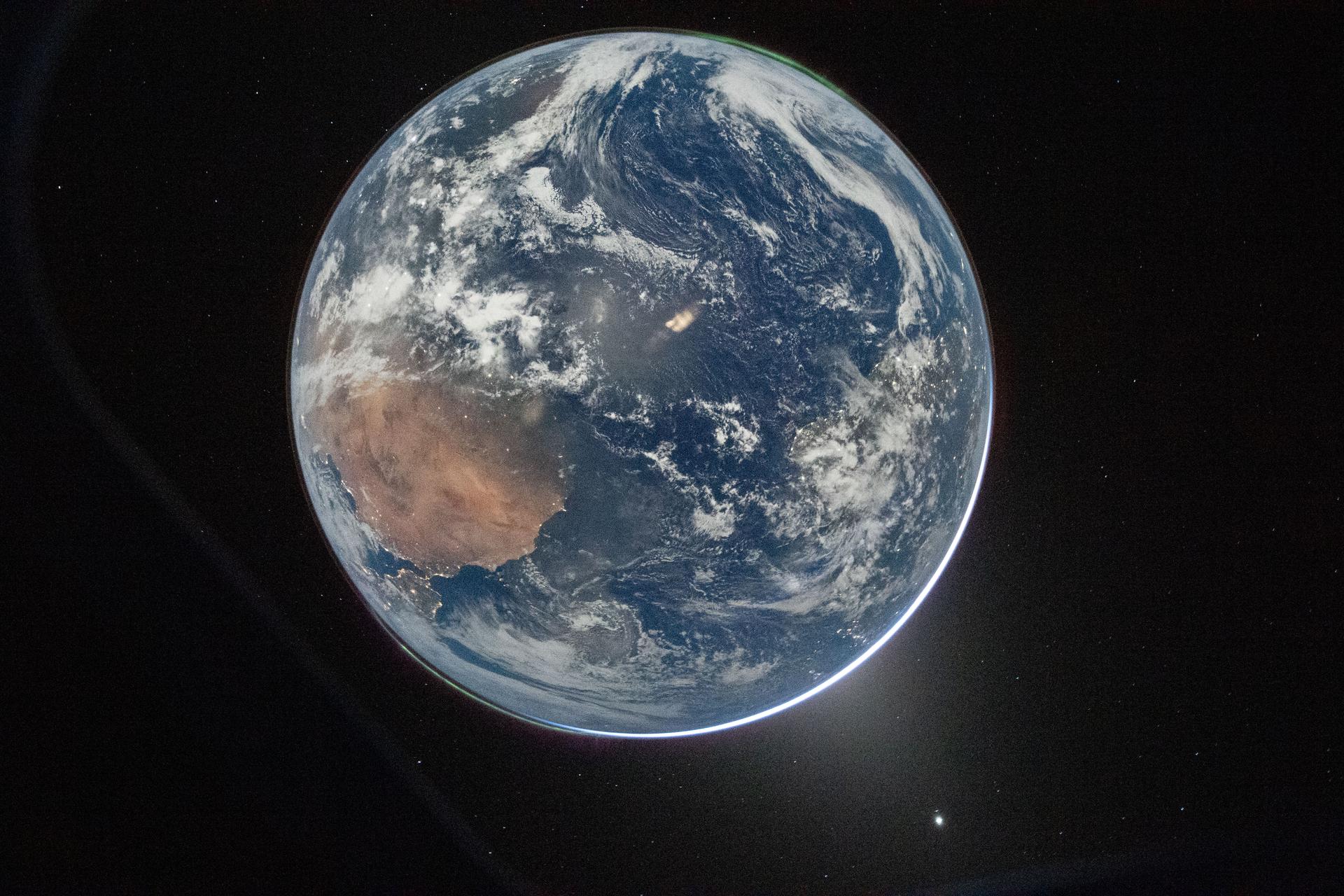
On April 1, 2026, NASA’s Artemis II mission launched successfully, signifying the first crewed flight of the Orion spacecraft. The mission, which lasted nearly ten days, saw astronauts Reid Wiseman, Victor Glover, Christina Koch, and Canadian Space Agency astronaut Jeremy Hansen travel around the Moon before splashing down in the Pacific Ocean on April 10. This mission not only set a record for the farthest distance humans have traveled in space—252,756 miles from Earth—but also aimed to pave the way for future lunar exploration and eventual missions to Mars.
Training for Lunar Exploration
The Artemis II crew underwent extensive training to prepare for their historic journey. A significant portion of their preparation took place in Iceland’s volcanic terrain, where they practiced navigation and field geology skills under challenging conditions. This training allowed them to collect rock samples using tools like hammers and chisels while refining future training sites based on feedback provided to instructors.
In addition to geological training, the astronauts trained in NASA’s Orion Crew Survival System (OCSS), which includes custom-fitted bright orange spacesuits designed for launch and re-entry. These suits are equipped with essential life support systems such as air, water, food, and waste management capabilities. In emergency situations, they can sustain life for up to six days. The crew practiced suit operations in simulated weightlessness and pressurized environments to ensure their performance during deep space travel.
Mission Highlights and Achievements
The Artemis II mission was filled with notable moments that showcased both technical achievements and human experiences. One of the most significant highlights was a historic communication link established between the Artemis II crew and astronauts aboard the International Space Station (ISS). This marked the first ship-to-ship communication between a deep space crew and ISS occupants, reinforcing international collaboration in space exploration.
Throughout their journey, the crew observed the Moon from unprecedented proximity, surpassing previous records set by Apollo missions. The total distance traveled during Artemis II reached an impressive 694,481 miles. The emotional impact of witnessing the Moon up close led to what many referred to as “Moon joy,” capturing the profound significance of returning humans to deep space.
Return and Recovery Operations
After a successful mission around the Moon, Artemis II concluded with a splashdown in the Pacific Ocean. NASA and U.S. Navy recovery teams were on standby for the operation. Upon securing the Orion spacecraft and assisting astronauts out of their capsule, they were flown by helicopter to a Navy recovery ship while Orion was transported back to shore for further analysis.
The mission’s success has been documented through various media including videos showcasing flight day highlights and recovery operations. These resources provide insights into both the technical aspects of space travel and personal reflections from astronauts about their experiences during this groundbreaking journey.
Future Implications of Artemis II
The Artemis II mission is not just a milestone but also a stepping stone towards more complex lunar missions aimed at scientific discovery and economic benefits. NASA is already preparing for future explorations targeting the Moon’s South Pole while addressing challenges such as harsh lighting conditions, lunar dust, and extreme temperatures that could affect sustained exploration efforts.
As preparations continue for subsequent Artemis missions, advancements are being made on next-generation spacesuits, lunar tools, and rovers at NASA’s Johnson Space Center. These developments are critical as NASA aims to build toward sustained human presence on the Moon before eventually sending astronauts to Mars.
What This Means
The successful completion of Artemis II represents a significant leap forward in human space exploration. It demonstrates not only technological capabilities but also emphasizes international cooperation in advancing our understanding of space. As NASA gears up for future missions beyond lunar orbit, this mission lays a solid foundation that will inform strategies for long-term human habitation on other celestial bodies.
For more information, read the original report here.