






















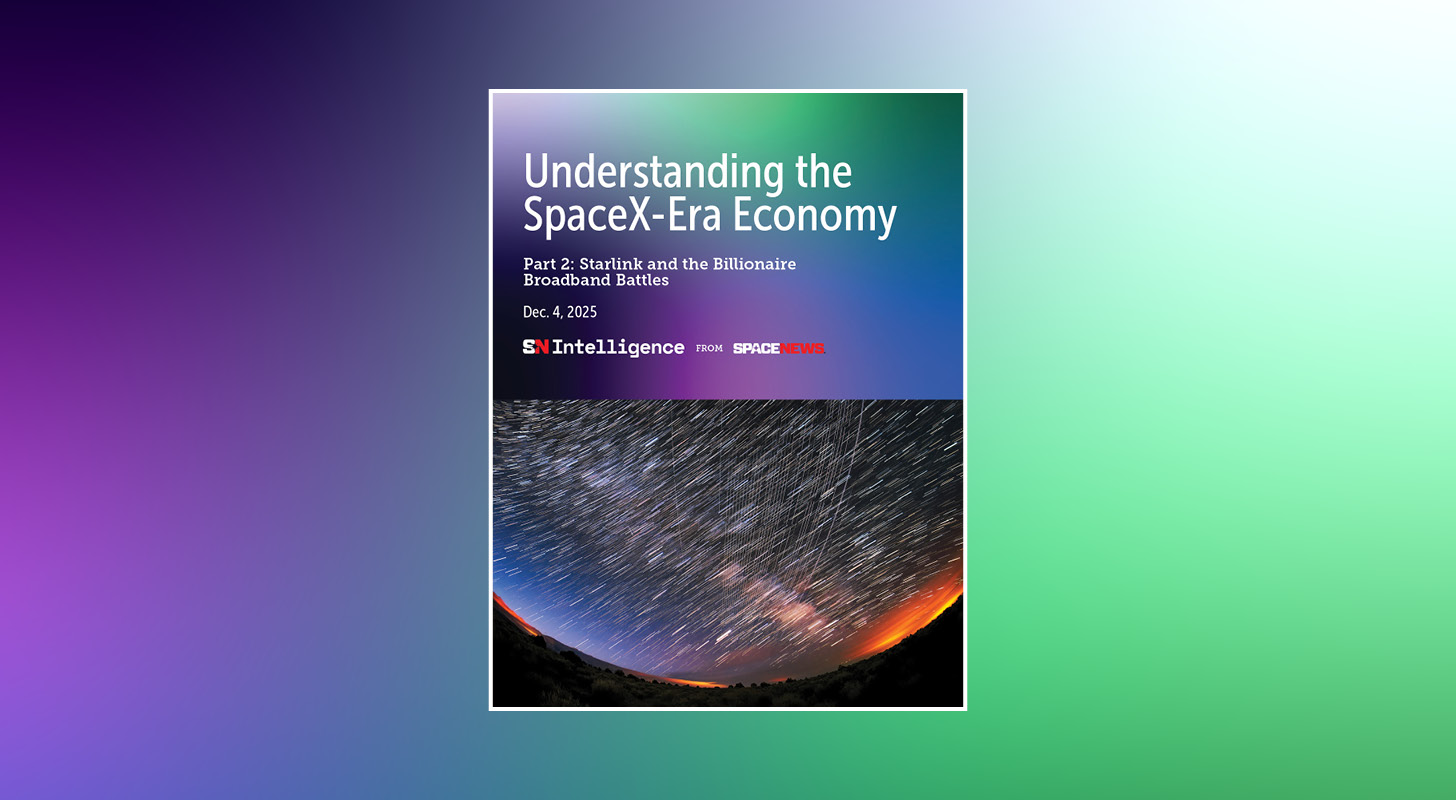
Starlink and the Billionaire Broadband Battles: Revolutionizing Global Connectivity
SpaceX, a private aerospace manufacturer and space transportation company, has already made significant strides in revolutionizing the launch industry. However, its most profound impact might lie in its ambitious venture into global communications through Starlink, a satellite internet constellation designed to provide high-speed internet access across the globe. This is the second part of our in-depth analysis on how the SpaceX-era economy is reshaping various industries, focusing on Starlink’s pivotal role in the ongoing broadband battles among billionaires.
The Rise of Starlink: Pushing Satellite Broadband to the Forefront
Traditionally, satellite broadband was perceived as a niche segment, catering to remote areas where terrestrial internet services were unavailable. However, Starlink is changing the narrative by pushing satellite connectivity into the mainstream. With thousands of small satellites in low Earth orbit, SpaceX’s Starlink aims to provide seamless internet access worldwide, reaching even the most isolated regions.
This shift not only broadens internet accessibility but also redefines what users expect from internet service providers. The promise of high-speed, low-latency internet, regardless of geographical location, is no longer a distant dream but an impending reality. As Starlink’s influence grows, it sets new benchmarks for ubiquitous connectivity, challenging existing broadband providers to innovate and adapt.
Geopolitical and Commercial Implications: A New Era of Connectivity
The rapid growth of Starlink presents significant geopolitical and commercial implications. As the service becomes a crucial infrastructure component for consumers, businesses, and even militaries, governments worldwide are taking note. The strategic importance of reliable internet access is undeniable, prompting nations to explore alternatives and ensure they are not overly reliant on a single provider.
Starlink’s expansion is already prompting billion-dollar responses from other players in the space industry. Companies and governments are investing in their satellite networks, aiming to secure a share of this lucrative market. The competition is fierce, with each entity striving to offer the best service and coverage. This race for connectivity dominance underscores the critical role of satellite broadband in the digital age.
The Consumer Perspective: Bringing Space Connectivity to Everyday Devices
One of Starlink’s most intriguing aspects is its potential to provide internet connectivity directly to consumer devices. This approach extends the broadband battle beyond traditional satellite services, aiming to capture the attention and loyalty of everyday users. The implications are vast, as this could lead to a significant shift in how people around the world access the internet.
For consumers, this means more choice and potentially lower prices as competition heats up. The ability to access high-speed internet from virtually anywhere opens up new possibilities for remote work, education, and entertainment. It also promises to bridge the digital divide, offering equal opportunities to those in underserved areas.
Challenges and Considerations: Navigating the New Connectivity Landscape
Despite its promising potential, Starlink’s journey is not without challenges. Regulatory hurdles, technical obstacles, and environmental concerns are just a few issues that need addressing. As more satellites are launched into orbit, space congestion and the risk of collisions become significant considerations. Additionally, the environmental impact of launching and maintaining such a vast network of satellites cannot be overlooked.
On the technical front, ensuring consistent and reliable service to millions of users worldwide is a monumental task. Infrastructure must be robust enough to handle high traffic volumes while maintaining low latency. Moreover, regulatory bodies must balance innovation with the need to protect national interests and security.
Good to Know: The Broader Impact of Space-Based Internet
Starlink’s influence extends beyond individual users and businesses. It has the potential to revolutionize entire industries, from agriculture to disaster response. In agriculture, real-time data transmission can enhance precision farming techniques, leading to increased productivity and sustainability. In disaster scenarios, rapid deployment of internet services can facilitate communication and coordination, aiding relief efforts.
Furthermore, the education sector stands to benefit significantly. Access to high-speed internet in remote areas can democratize education, providing students with resources and opportunities previously unavailable. This could lead to a more equitable distribution of knowledge and skills, fostering innovation and economic growth.
The Future of Satellite Broadband: A Look Ahead
As we look to the future, Starlink and its competitors will continue to shape the landscape of global connectivity. The demand for high-speed internet will only increase as more devices become interconnected and data-driven applications proliferate. Satellite broadband is poised to play a crucial role in meeting this demand, offering solutions that transcend geographic and infrastructural limitations.
However, the road ahead is not without obstacles. Balancing commercial interests with public good, addressing environmental concerns, and navigating complex regulatory landscapes will be critical to the sustained success of satellite broadband initiatives. Stakeholders must collaborate to ensure that the benefits of this technology are shared widely and equitably.
Conclusion: Embracing the New Era of Connectivity
In conclusion, Starlink represents a significant leap forward in the quest for global internet connectivity. By pushing the boundaries of what is possible with satellite technology, SpaceX is not only redefining the broadband landscape but also setting the stage for a new era of digital inclusion. As the battle for connectivity dominance unfolds, the world watches with anticipation, eager to see how these developments will shape the future of communication.
For further insights and analysis, readers are encouraged to explore related coverage and delve into the comprehensive reports that examine the broader implications of the SpaceX-era economy. This ongoing dialogue is crucial as we navigate the challenges and opportunities of a connected world.
For more detailed information, you can refer to the original article on SpaceNews here.
For more Information, Refer to this article.