



















In the evolving world of artificial intelligence, innovation continues to redefine the boundaries of creativity and technology. One such advancement is the Gemini model, which has been making waves in the creative AI landscape. This article delves into the intricate process of collaborating with Gemini to generate visually compelling and emotionally engaging art pieces, specifically in the realm of animation and paper engineering.
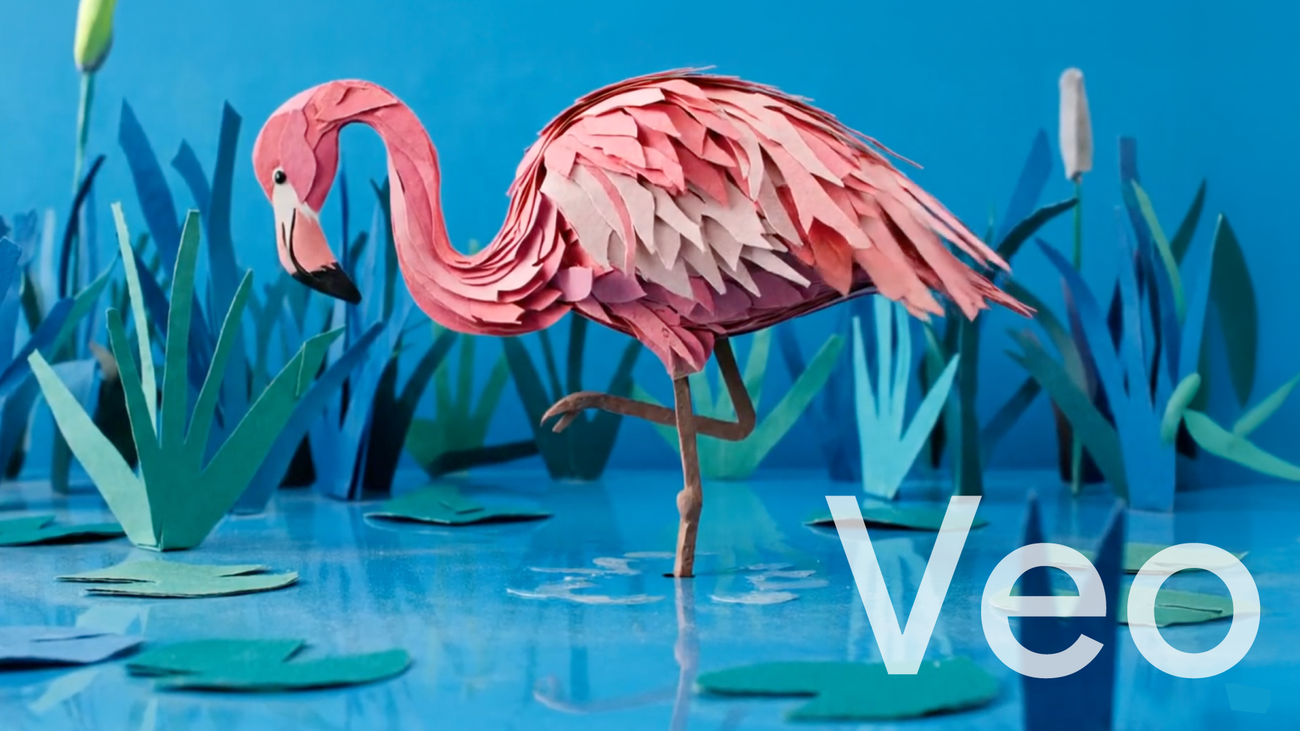
Gemini, an advanced AI model, offers a novel approach to crafting prompts that lead to stunning artistic creations. The process is simple, yet it requires a meticulous touch to unlock the model’s full potential. The key, as highlighted by an expert in the field, is to define a very specific task for the AI. This involves crafting a detailed prompt that the language model will comprehend and execute effectively. For instance, if the goal is to create a stop-motion animation, the prompt must specify the desired style and format, such as an 8-second stop-motion animation involving paper-engineered scenes.
One crucial aspect of working with Gemini is the use of constraints. Constraints help refine the AI’s output by narrowing down the options to more specific materials or styles, such as using foil paper or shiny paper instead of generic paper. This targeted approach allows the AI to “do its thing” more effectively, producing results that align closely with the creator’s vision.
As with any collaborative process, the interaction between the user and the AI model is dynamic. Depending on how the model responds to initial prompts, adjustments may be necessary. This iterative process involves tweaking the prompts by adding or changing details, especially those related to sounds and textures. These refinements are part of an ongoing collaboration, allowing the creator to steer the AI towards a more desired outcome.
An intriguing element of working with AI like Gemini is the role of emotion in the creative process. Incorporating emotional cues into prompts can significantly enhance the quality of the AI-generated content. For example, instructing Gemini to focus on “scenes which are satisfying to watch” can guide the model towards producing content that resonates more deeply with viewers. This emotional layer adds a dimension to AI-generated art that makes it not just visually appealing, but also emotionally engaging.
A case in point of Gemini’s capabilities is its application in creating botanical art. When tasked with animating an unfurling paper fern, Gemini generated a prompt that described the animation as slow and mesmerizing, with each frond unfolding in a gentle, rhythmic sequence. This level of detail and specificity in the prompt led to an animation that was not only visually stunning but also captured the essence of natural beauty, demonstrating Gemini’s ability to understand and execute complex artistic concepts.
The collaboration between human creativity and AI technology, as exemplified by Gemini, is pushing the boundaries of what is possible in the art world. By combining detailed prompts, specific constraints, and emotional guidance, creators can harness the power of AI to produce art that is both innovative and deeply moving. This synergy between human and machine offers exciting possibilities for the future of creative expression.
For those interested in exploring AI-generated art, it’s worth noting that this process involves a combination of technical understanding and creative intuition. The ability to craft precise and evocative prompts is essential, as it directly influences the quality of the output. Moreover, embracing the iterative nature of AI collaboration allows for continuous improvement and refinement of the final product.
In conclusion, the Gemini model is a testament to the transformative power of AI in the creative industries. By enabling artists to co-create with machines, it opens up new avenues for artistic exploration and expression. As AI technology continues to advance, it is poised to become an invaluable tool for artists and creators, offering fresh perspectives and inspirations that were previously unimaginable.
For further insights into the capabilities of AI models like Gemini and their impact on the art world, interested readers can explore various resources and studies available online. These resources provide a deeper understanding of how AI is reshaping creative processes and offer practical guidance on how to leverage this technology effectively.
As we continue to experiment and push the limits of what AI can achieve, the future of art looks more dynamic and diverse than ever before. Whether you’re an artist, a technologist, or simply curious about the intersection of AI and creativity, the journey promises to be as fascinating as the art it helps create.
For more detailed information about the Gemini model and its applications, you can visit reputable sources and websites dedicated to AI advancements and creative technologies.
For more Information, Refer to this article.