





















Tracking Earth’s Oceans: The Sentinel-6B Mission Launch
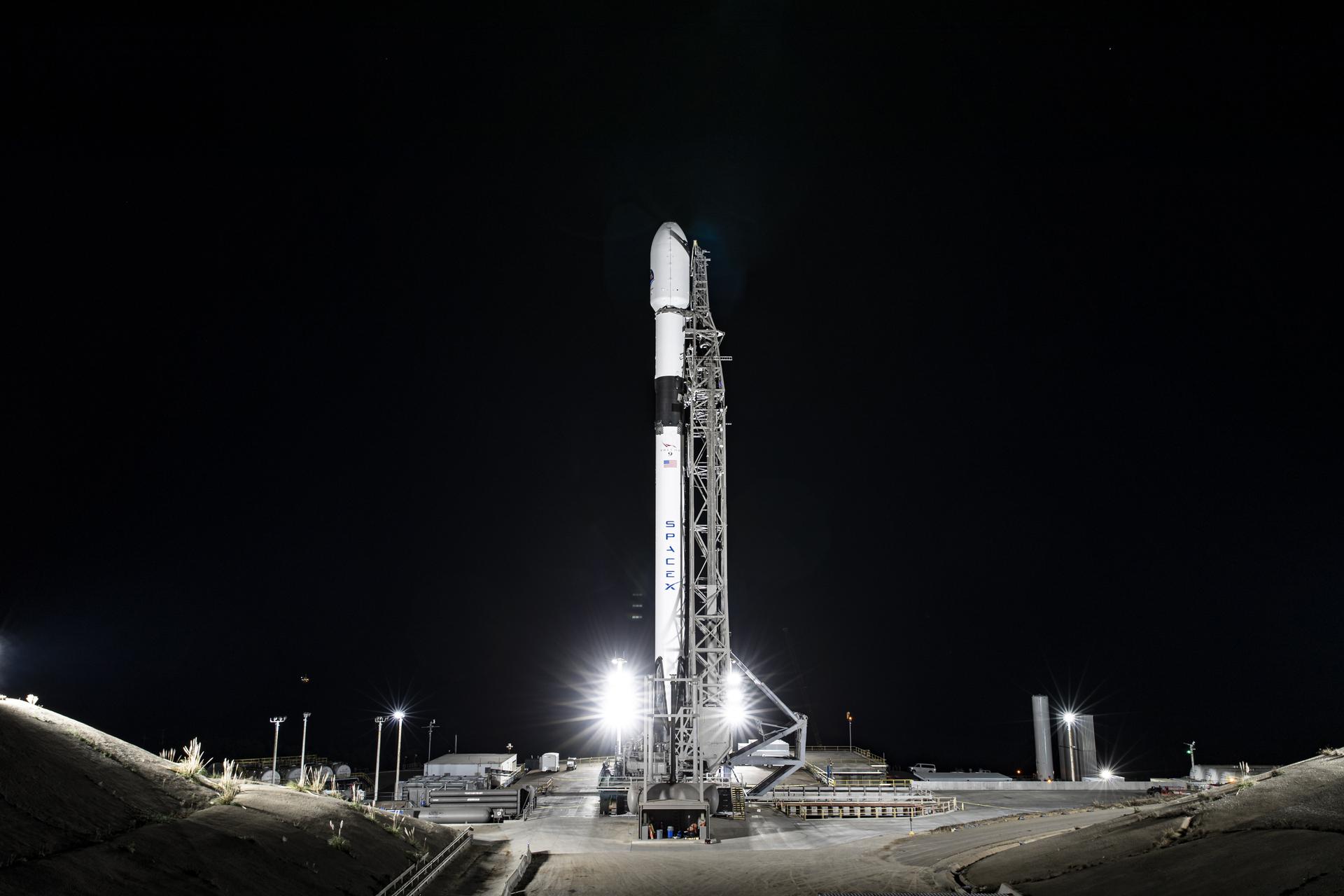
In a significant endeavor to monitor global sea levels, a new satellite mission is gearing up to launch, promising to cover over 90% of Earth’s oceans. This ambitious project involves the deployment of Sentinel-6B, an ocean-observing satellite collaboratively created by NASA and the European Space Agency (ESA). The satellite is set to embark on its journey aboard a SpaceX Falcon 9 rocket, marking a pivotal moment in the ongoing efforts to understand and address climate change.
Countdown to Launch
The anticipated launch of Sentinel-6B is scheduled for 12:21 a.m. EST on Monday, November 17, with the launch window opening at 9:21 p.m. PST on Sunday, November 16. The satellite will take off from the Vandenberg Space Force Base in California. Once the satellite is in orbit, it will undergo a carefully choreographed 57-minute launch sequence culminating in its separation from the rocket. This marks the beginning of Sentinel-6B’s mission to continue a multidecade dataset that records sea level changes from space.
Mission Objectives and Impacts
Once operational, Sentinel-6B will orbit Earth every 112 minutes, traveling at a speed of approximately 4.5 miles per second. Its primary mission is to succeed its predecessor, Sentinel-6 Michael Freilich, launched five years ago. The data collected by Sentinel-6B will be invaluable for enhancing public safety, aiding urban planning, and protecting critical coastal infrastructure such as power plants and defense installations. Additionally, the information gathered will be crucial for refining atmospheric models, which play a significant role in ensuring the safe return of Artemis astronauts.
Technical Specifications of Sentinel-6B
The Sentinel-6B satellite is an impressive piece of technology. Measuring 19.1 feet in length and 7.74 feet in height, it weighs approximately 2,600 pounds when fully fueled. The satellite is set to launch from Space Launch Complex 4 East at Vandenberg. In the event of any delays, backup launch opportunities are available on subsequent days, with the launch window shifting by approximately 12 to 13 minutes earlier each day.
Launch Sequence and Procedures
The Falcon 9 rocket’s main engine will cut off a little over two minutes after liftoff. Following this, the rocket’s stages will separate, with the second stage engine igniting shortly thereafter. The reusable first stage of the Falcon 9 will then execute an automated boost-back burn to return to the launch site for a controlled landing. Approximately three minutes post-launch, the payload fairing, which protects the satellite during its atmospheric journey, will separate and return safely to Earth.
After eight minutes, the second stage engine will temporarily shut down, placing the launch vehicle and satellite in a temporary "parking" orbit. The second stage will reignite 44 minutes later, and 57 minutes after liftoff, the spacecraft will separate from the rocket. Seven minutes later, the satellite’s solar panels will deploy, and first contact with ground controllers is expected approximately 35 minutes after separation, signifying the spacecraft’s healthy status.
Preparing for Science Operations
Following successful launch operations, the team will focus on transitioning the spacecraft into its science operations phase. Sentinel-6B will initially fly about 30 seconds behind its counterpart, the Sentinel-6 Michael Freilich satellite. Once data calibration between the two spacecraft is complete, Sentinel-6B will assume the primary role of sea level measurement, while Sentinel-6 Michael Freilich will move to a different orbit for alternative research purposes, such as mapping seafloor features.
A Collaborative Mission
The Sentinel-6B mission is part of the Copernicus Sentinel-6/Jason-CS (Continuity of Service) initiative. This collaboration involves NASA, ESA, EUMETSAT (European Organisation for the Exploitation of Meteorological Satellites), and the National Oceanic and Atmospheric Administration (NOAA). Additional funding support comes from the European Commission, with France’s CNES (Centre National d’Études Spatiales) providing technical expertise. This mission represents the first international involvement in Copernicus, the European Union’s Earth Observation Programme.
Key Contributions and Instruments
The Jet Propulsion Laboratory (JPL) in Pasadena, a division of Caltech, was instrumental in building three science instruments for each Sentinel-6 satellite. These include the Advanced Microwave Radiometer, the Global Navigation Satellite System – Radio Occultation, and the Laser Retroreflector Array. NASA has also contributed to launch services, ground systems for operating NASA science instruments, and data processors for two of these instruments. The launch service is managed by NASA’s Launch Services Program, based at Kennedy Space Center in Florida.
Live Coverage and Updates
For those interested in following the launch, live coverage will be available on NASA’s official website. The coverage will begin no earlier than 11 p.m. EST on November 16, with streaming video and photos of the launch accessible shortly after liftoff. Updates and detailed coverage will also be available on NASA’s Sentinel-6B blog.
In conclusion, the launch of Sentinel-6B marks a significant advancement in our ability to monitor and understand global sea levels. By continuing the legacy of its predecessor and contributing new data, this mission will enhance our understanding of climate change and its impact on the world’s oceans. This collaborative international effort underscores the importance of global partnerships in addressing shared environmental challenges.
For more Information, Refer to this article.