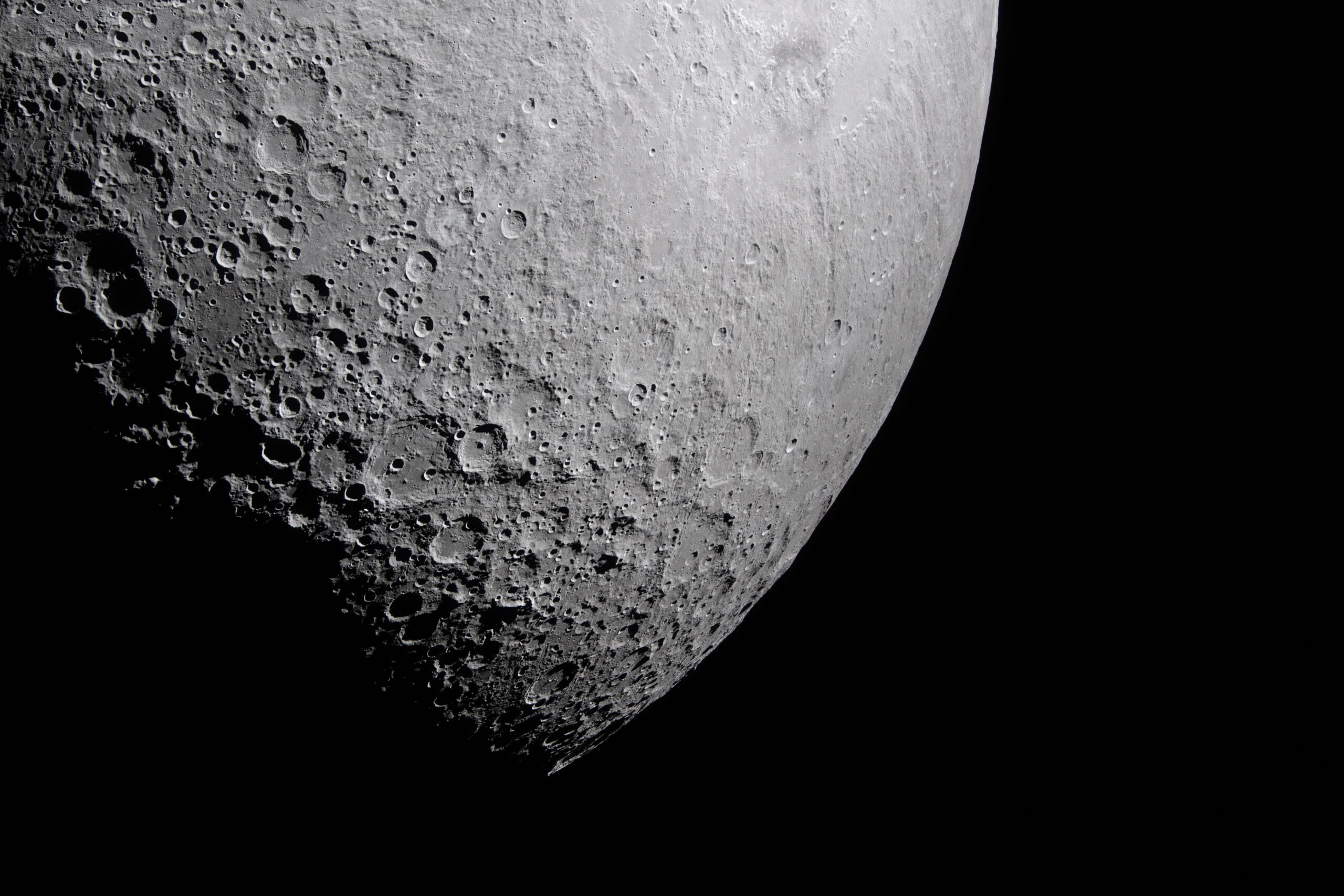
NASA Captures Stunning Image of the Moon’s Far Side
On April 6, 2026, NASA released a captivating photograph showcasing a portion of the Moon’s far side, taken during its Artemis II mission. This image highlights the terminator—the line separating lunar day from night—where low-angle sunlight creates dramatic shadows across the lunar surface, revealing intricate details of its geological features.
Details of the Image
The photograph prominently features the Orientale Basin, located in the upper right section of the lunar disk. This area is particularly notable for its unique structure, which becomes more pronounced under the grazing light conditions captured in the image. The interplay of light and shadow enhances contrast across the cratered landscape, allowing scientists and enthusiasts alike to appreciate the Moon’s complex geological history.
The Orientale Basin is one of the largest impact basins on the Moon, formed by a colossal collision with an asteroid or comet billions of years ago. Its distinct ringed structure makes it a subject of interest for researchers studying planetary formation and impact events. The recent image not only serves as a visual feast but also provides valuable data that can help scientists better understand lunar geology.
Significance of Lunar Exploration
The Artemis II mission marks a significant step in NASA’s efforts to return humans to the Moon and eventually send astronauts to Mars. By capturing high-resolution images like this one, NASA aims to gather critical information about lunar terrain and resources. Understanding these elements is crucial for planning future manned missions and establishing sustainable human presence on celestial bodies.
As part of its broader goals, NASA intends to use findings from missions like Artemis II to develop technologies that will support long-term exploration. This includes studying potential resources such as water ice in permanently shadowed regions, which could be vital for life support systems on future missions.
Public Engagement and Educational Outreach
The release of this stunning lunar image also serves as an educational tool aimed at engaging the public with space exploration. NASA encourages individuals to explore more imagery and data from the Artemis II mission through its dedicated multimedia platforms. By making such information accessible, NASA hopes to inspire a new generation of scientists, engineers, and space enthusiasts.
- Access more imagery from Artemis II here.
- Follow updates on lunar exploration initiatives through NASA’s official channels.
- Participate in educational programs that leverage these discoveries for learning opportunities.
What This Means for Future Missions
The striking images captured during missions like Artemis II are not just visually impressive; they play a crucial role in advancing humanity’s understanding of our closest celestial neighbor. As NASA continues its exploration efforts, each photograph contributes to a larger narrative about our solar system’s history and potential for future exploration.
This particular image underscores the importance of ongoing lunar studies as humanity prepares for more ambitious endeavors beyond Earth. With plans set for manned missions to Mars and beyond, insights gained from studying features like those seen in this photograph will inform strategies for landing sites, resource utilization, and long-term habitation on other planets.
The engagement with public audiences through vivid imagery also fosters interest in science and technology fields, encouraging young minds to pursue careers that will shape future explorations. As NASA pushes forward with its ambitious agenda, it remains committed to sharing knowledge gained from these missions with people around the world.
For more information, read the original report here.