


















NASA’s SkillBridge Program: A Gateway from Military to Civilian Careers
The journey from military service to a civilian career can be a challenging transition, but NASA’s SkillBridge Program is playing a pivotal role in easing this path for servicemembers. In collaboration with the Department of Defense (DoD), this initiative allows military personnel to spend the last months of their service working within various NASA offices or organizations. This partnership not only benefits the individuals by providing them with invaluable civilian work experience but also enriches NASA with diverse skills and perspectives.
Since its inception, the SkillBridge Program has significantly impacted both NASA and the veterans who have participated. The Johnson Space Center in Houston was the first to welcome a SkillBridge fellow in 2019, setting a precedent that has seen many others follow suit. Although a full-time job offer isn’t guaranteed post-fellowship, many participants have secured permanent positions within NASA, with around 25 of them currently employed at the Johnson Space Center. These roles reflect the varied and rich experiences that these veterans bring from their military backgrounds.
Stories of Transition: From Uniforms to NASA Badges
Let’s delve into the stories of some of these remarkable individuals who have successfully transitioned from military service into impactful roles at NASA through the SkillBridge Program.
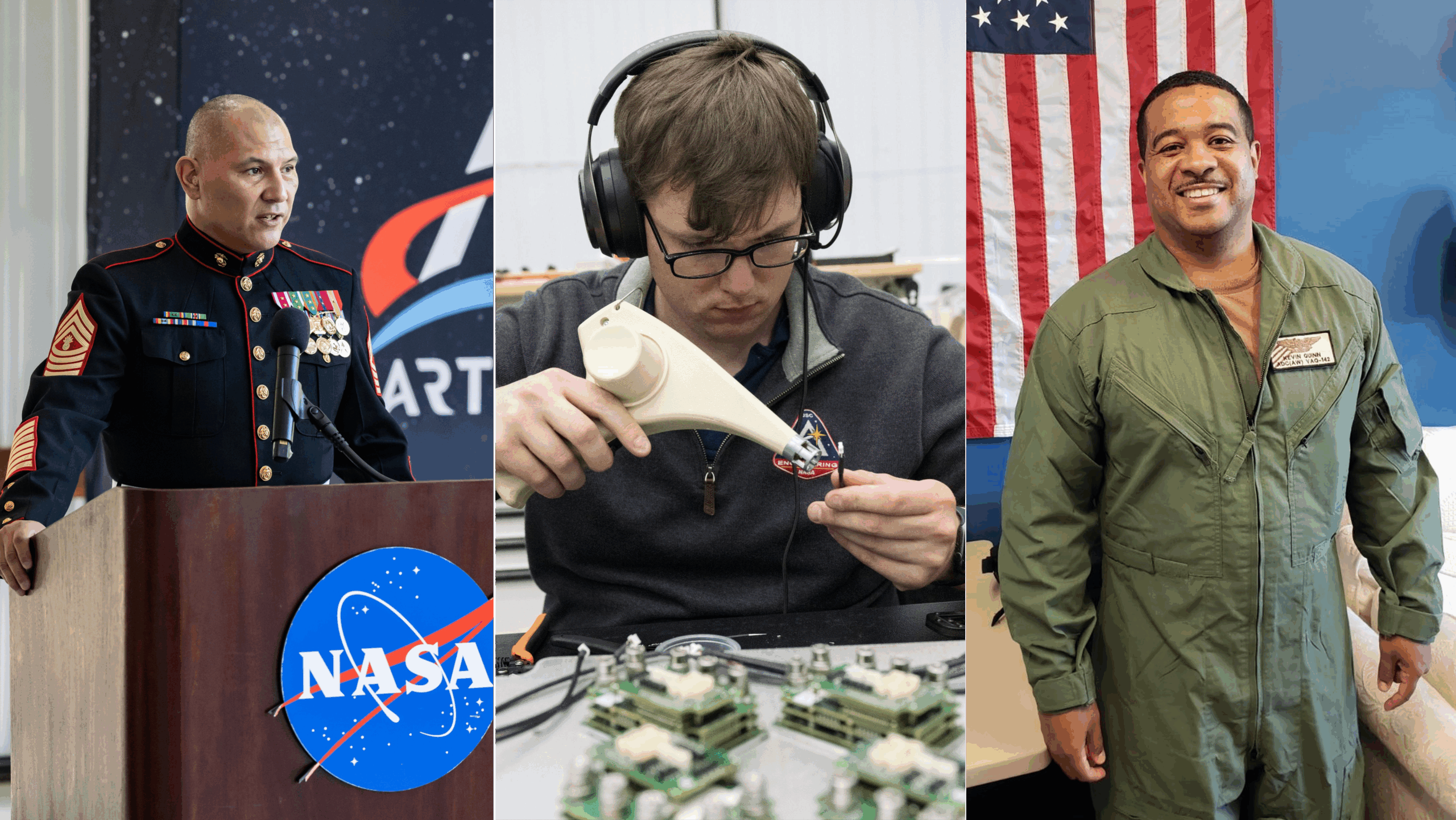
Miguel Shears concluded his distinguished 30-year career with the Marine Corps in November 2023. His last military role was as the administration, academics, and operations chief at the Marine Corps University in Quantico, Virginia, where he also imparted knowledge as an adjunct professor. Through the SkillBridge fellowship, Shears worked with NASA’s Flight Operations Directorate (FOD) during the summer and fall of 2023. His focus was on instructional systems design, a field he continues to contribute to as a full-time employee post-retirement. Shears currently plays a crucial role in designing training modules for the Instructor Training Module, Mentorship Module, and Spaceflight Academy, along with conducting training needs analysis for the FOD.
Ever Zavala brings a wealth of knowledge from his nearly 24-year career in the Air Force, where he was the deputy director of the DoD Human Spaceflight Payloads Office at Johnson. His role involved overseeing the development and operation of payloads for experiments on small satellites and the International Space Station. Zavala’s SkillBridge fellowship saw him working within Johnson’s Astronaut Office as a capsule communicator (capcom) and integration engineer, supporting the Extravehicular Activity and Human Surface Mobility Program. Following his fellowship, Zavala joined NASA as a full-time contractor in August 2024, where he now serves as a flight operations safety officer while continuing part-time as a capcom.
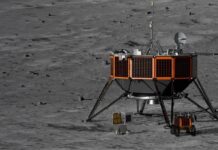
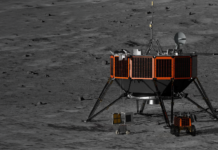
Carl Johnson attributes his journey to NASA to his wife, who introduced him to the agency while she was a Pathways intern. Inspired by her, Johnson pursued a SkillBridge fellowship within the Dynamic System Test Branch. From February to June 2023, he played a key role in developing the lunar terrain vehicle ground test unit and contributed to the Active Response Gravity Offload System (ARGOS), which simulates reduced gravity for astronaut training. Johnson transitioned to a full-time position in September 2023 as an electrical engineer in the Engineering Directorate’s Software, Robotics, and Simulation Division. He is now involved in developing a new ARGOS spacewalk simulator and training as an operator and test director for another ARGOS system.
Kevin Quinn transitioned from the Navy after 22 years, having served as the maintenance senior chief with Air Test and Evaluation Squadron 31, known as "the Dust Devils." His extensive experience in managing aircraft operations and maintenance was invaluable during his SkillBridge fellowship in quality assurance at Ellington Field in 2024. Quinn’s work focused on enhancing flight safety and astronaut training across various aircraft types. He has since been hired full-time, continuing to contribute to these vital projects.
Andrew Ulat retired from the Air Force after a distinguished 21-year career. His last position was as a director of staff at the Air Command and Staff College in Montgomery, Alabama, where he taught international security concepts. Ulat’s SkillBridge fellowship as an integration engineer in Johnson’s X-Lab involved critical work on avionics, power, and software integration for the Gateway lunar space station. Following his fellowship, Ulat secured a full-time position at Johnson in May 2024.
Ariel Vargas transitioned to NASA after five years in the Army, where he served as a signal officer. His military role involved managing secure communications and network operations in dynamic environments. During his SkillBridge fellowship, Vargas led a center-wide wireless augmentation project at Johnson, modernizing connectivity. In May 2024, he became a full-time civil servant, now serving as the business operations and partnerships lead within the Office of the Chief Information Officer (OCIO). Vargas is responsible for streamlining internal business operations and fostering strategic collaborations.
"My time in the military taught me the value of service, leadership, and adaptability—qualities that I now apply daily in support of NASA’s mission," Vargas reflects. "I’m proud to be part of the Johnson team and hope my story can inspire other service members considering the SkillBridge pathway."
The Broader Impact of SkillBridge
The SkillBridge Program is not just about providing employment opportunities; it represents a broader commitment to valuing the skills and experiences brought by military veterans. By integrating these veterans into its workforce, NASA gains access to a pool of highly disciplined, skilled, and adaptable individuals who are well-versed in leadership and teamwork. These are critical attributes in any organization, particularly one as complex and forward-thinking as NASA.
Moreover, the program serves as a model for other organizations looking to harness the potential of military veterans. The success stories from NASA’s SkillBridge Program could inspire similar initiatives across various sectors, contributing to a smoother transition for veterans into civilian careers and enriching industries with their unique perspectives.
Conclusion
NASA’s SkillBridge Program stands as a beacon of opportunity for military personnel looking to transition into civilian roles. It not only provides these individuals with the chance to contribute to one of the most prestigious organizations in the world but also allows NASA to benefit from their diverse experiences and skills. As the program continues to grow, it promises to create more success stories and further strengthen the bond between military service and civilian innovation.
For more information about the SkillBridge Program, you can visit the official NASA SkillBridge page here.
For more Information, Refer to this article.