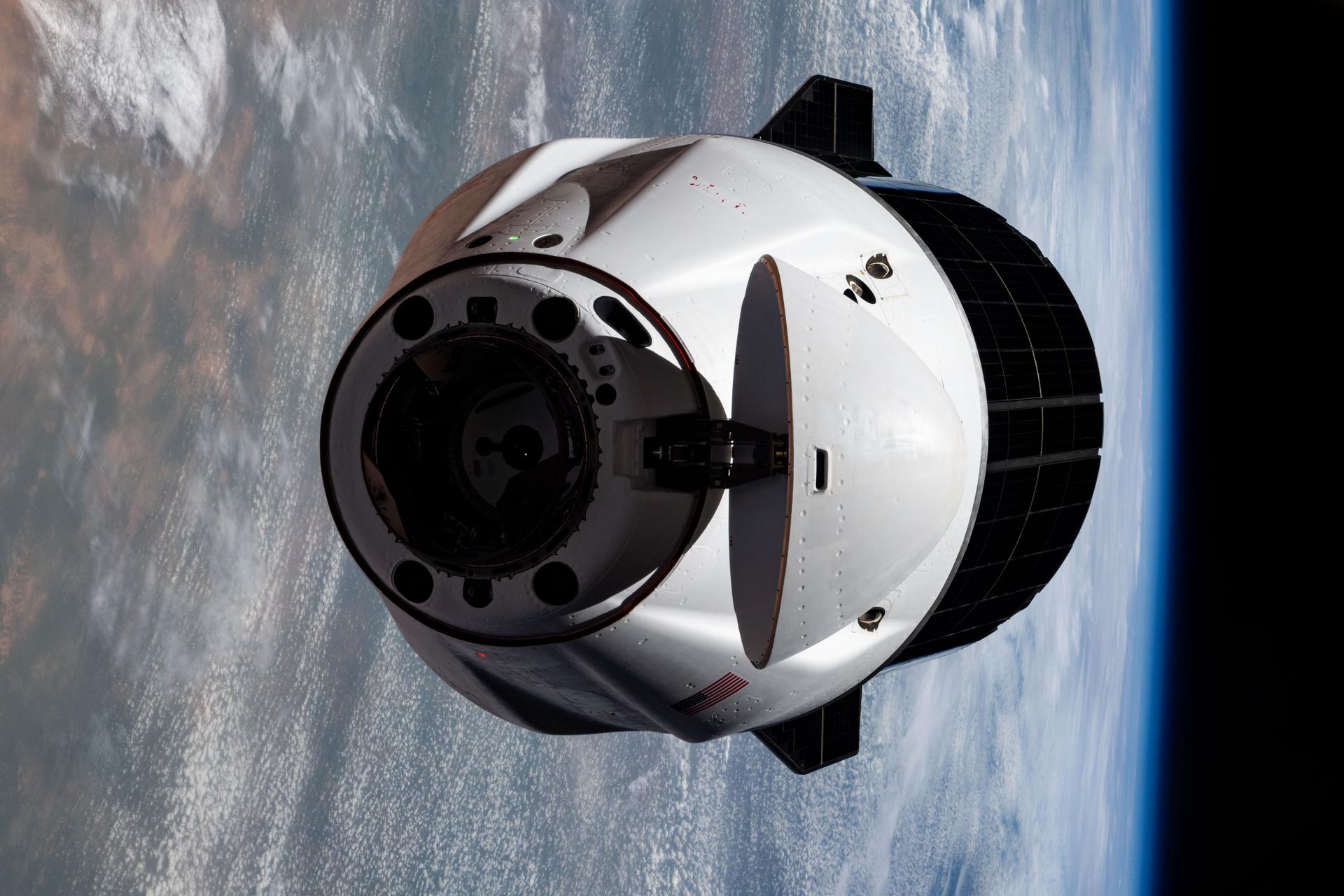
Media Accreditation Opens for Upcoming SpaceX Resupply Mission
NASA has announced that media accreditation is now open for its upcoming launch, which will deliver critical science investigations, supplies, and equipment to the International Space Station (ISS). Scheduled for no earlier than May 12, this mission marks the 34th SpaceX Commercial Resupply Services (CRS) flight to the ISS, utilizing the Falcon 9 rocket from Cape Canaveral Space Force Station in Florida.
Launch Details and Media Participation
The launch is set to take place from Space Launch Complex 40 at Cape Canaveral. U.S. media representatives interested in covering the prelaunch and launch activities have until April 29 at 11:59 p.m. EDT to submit their accreditation requests online. The application process is straightforward and can be completed through NASA’s dedicated media portal.
Once approved, credentialed media will receive a confirmation email. For those seeking additional logistical support or having questions about the accreditation process, NASA provides contact information for inquiries. This initiative not only facilitates media coverage but also enhances public engagement with space exploration activities.
Cargo and Scientific Investigations on Board
The upcoming Dragon spacecraft will carry a diverse array of cargo essential for both crew sustenance and scientific research aboard the ISS. In addition to food and supplies for astronauts, the mission will deliver several groundbreaking experiments aimed at advancing knowledge in various scientific fields.
- A project designed to assess how effectively microgravity simulators replicate actual microgravity conditions.
- A bone scaffold created from wood intended for developing new treatments for conditions like osteoporosis.
- Equipment that allows researchers to study changes in red blood cells and spleen function in space.
- A new instrument focused on monitoring charged particles around Earth that can affect power grids and satellites.
- An investigation aimed at providing insights into planetary formation processes.
This mission underscores NASA’s commitment to leveraging commercial partnerships to enhance its capabilities in delivering scientific research to the ISS. Each resupply mission plays a crucial role in maintaining the operational status of the space station while enabling ongoing research that cannot be conducted on Earth.
The Role of the International Space Station
The ISS has been continuously inhabited for over 25 years, serving as a unique platform for scientific discovery. It allows researchers to conduct experiments in microgravity, leading to breakthroughs across various disciplines including biology, biotechnology, Earth sciences, and physical sciences. The station is not just a laboratory; it also acts as a testing ground for technologies needed for future deep-space missions under NASA’s Artemis program, which aims to return humans to the Moon and eventually send them to Mars.
As part of its broader mission objectives, NASA utilizes data gathered from these resupply missions to understand long-duration spaceflight challenges better. This knowledge is vital as humanity prepares for more ambitious explorations beyond low Earth orbit.
Looking Ahead: The Future of Commercial Resupply Missions
Navigating through an era of increased commercial involvement in space exploration, NASA’s partnership with SpaceX exemplifies how private companies can contribute significantly to national capabilities in space logistics. The success of these resupply missions not only supports ongoing research but also fosters economic opportunities within the aerospace sector.
As more companies enter this field, competition may lead to improved technologies and reduced costs associated with space travel and research. This shift could ultimately democratize access to space science, allowing broader participation from academic institutions and private enterprises alike.
What This Means
The opening of media accreditation for this upcoming SpaceX resupply mission highlights not only NASA’s ongoing commitment to transparency but also its efforts to engage with the public regarding advancements in space exploration. As new experiments are conducted aboard the ISS, they promise valuable insights into both terrestrial applications and future interplanetary endeavors. With each successful launch, humanity inches closer toward understanding our universe while preparing for future exploration challenges.
For more information, read the original report here.