













![[Video] Samsung Color E-Paper: A Smarter Alternative to Traditional Posters](https://www.hawkdive.com/media/samsung-tvs-and-displays-samsung-color-e-paper-samsung-vxt-digital-signage_thumb932-218x150.jpg "Samsung introduces Color E-Paper as innovative poster alternative.")







The Remarkable Dance of the Auroras: A Solar Story
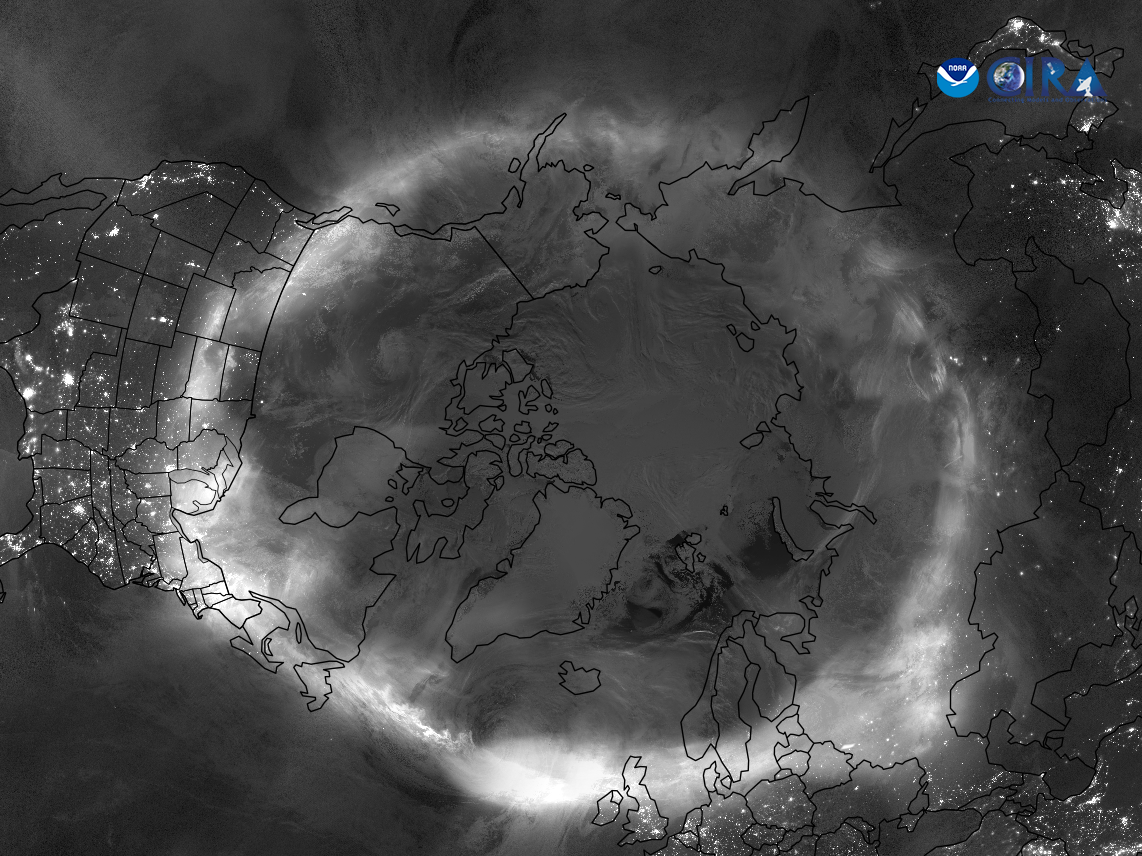
The Sun, our closest star, resides at an average distance of approximately 93 million miles from Earth. Despite this vast expanse, the Sun’s influence is palpable and far-reaching, manifesting in various phenomena we observe and experience on our planet. Among these phenomena, the auroras stand out as one of the most mesmerizing spectacles. Commonly known as the Northern and Southern Lights, these vibrant displays of color illuminate the skies near the Earth’s poles, resulting from interactions between solar particles and atmospheric gases.
The Sun’s Dynamic Nature and the Gannon Storms
The Sun is not a static entity; it undergoes phases of varying activity levels. Occasionally, it enters periods of heightened activity, emitting substantially more energy than usual. Such periods can lead to auroras appearing in regions significantly distant from their typical polar locations. A notable instance of this occurred in May 2024, coinciding with Mother’s Day, when the Sun unleashed potent solar storms directed towards Earth. Dubbed the Gannon Storms, in honor of Jennifer Gannon, a renowned space weather researcher, these events allowed the Northern Lights to be witnessed as far south as Puerto Rico, Hawaii, Mexico, Jamaica, and the Bahamas. Simultaneously, the Southern Lights graced the skies of South Africa and New Zealand.
Understanding Solar Cycles and Solar Maximum
The scientific study of the Sun and its effects on the solar system is known as heliophysics. Researchers in this field have identified that the Sun operates on cycles of increased and decreased activity, known as Solar Cycles. Each cycle typically spans about 11 years, although durations can vary between 8 to 14 years. The peak of these cycles, characterized by heightened solar activity, is referred to as the Solar Maximum. It is during this period that the Sun exhibits more sunspots and generates increased space weather phenomena. The significant solar storms in May 2024 coincided with the Solar Maximum of Solar Cycle 25.
The May 2024 Solar Flares and Coronal Mass Ejections
On May 8 and 9, 2024, a particularly active region on the Sun, identified as AR3664, released intense solar flares and several substantial coronal mass ejections (CMEs). These CMEs traveled directly towards Earth, with the initial CME clearing the usual solar wind, thereby accelerating the journey of subsequent ejections. When this concentrated energy collided with Earth’s atmosphere, it triggered auroras visible far beyond their usual polar confines. It was as if the Sun had provided a massive energy surge to these celestial displays.
Implications of Space Weather on Earth
While auroras present a breathtaking natural spectacle, the space weather responsible for them can also lead to significant challenges. This space weather can disrupt radio communications, power grids, GPS systems, and satellites. During the May 2024 storms, GPS systems, particularly those utilized by farmers for guiding autonomous tractors, experienced significant disruptions. Given that this occurred during the crucial planting season, the resultant impact on agricultural operations potentially amounted to billions of dollars in lost revenue.
Monitoring and Mitigating Space Weather Effects
Due to the potential disruptions caused by space weather, NASA and scientific institutions worldwide diligently monitor solar activity to forecast such events. Public participation can play a crucial role in this endeavor. Individuals are encouraged to engage in local science projects, educate others about solar phenomena, and contribute observations from their locales. These collective efforts enhance our understanding of the Sun and its influence on Earth.
Additional Insights and Public Engagement
For those interested in delving deeper into the workings of the Sun and its terrestrial effects, numerous resources and initiatives are available. Educational platforms and observatories offer insights into solar phenomena, while citizen science projects allow individuals to contribute valuable data. By fostering a broader understanding and awareness of solar activity, society can better prepare for and mitigate the impacts of space weather.
In conclusion, the May 2024 auroras, amplified by the Gannon Storms, serve as a striking reminder of the Sun’s dynamic nature and its profound impact on our planet. As we continue to study and appreciate these cosmic interactions, our ability to anticipate and adapt to space weather events will undoubtedly improve, safeguarding both technological infrastructure and our appreciation of the natural wonders they inspire.
For more Information, Refer to this article.