






NASA’s Artemis II Crew Captures Stunning Image of the Milky Way
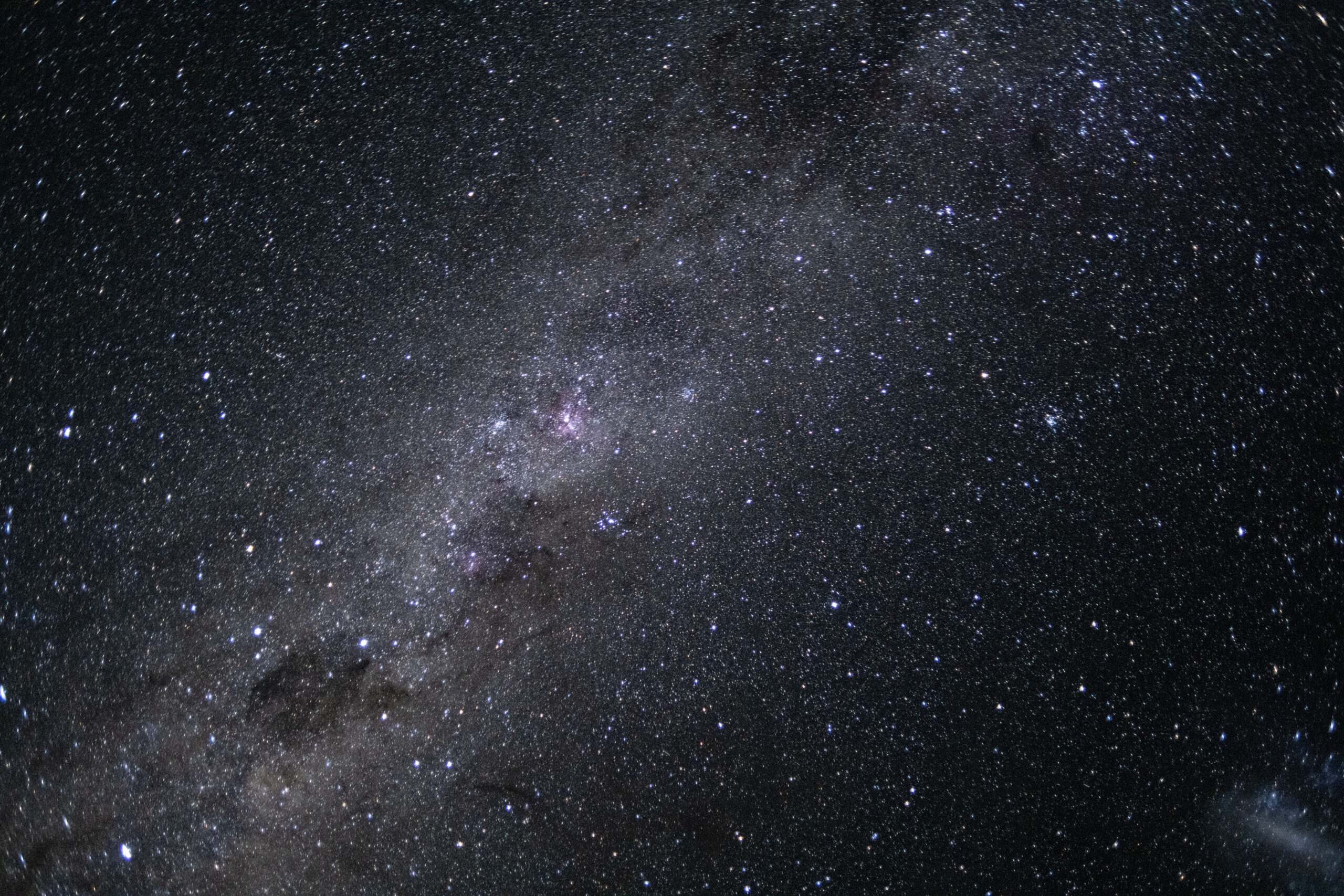
The Artemis II crew, part of NASA’s ambitious lunar exploration program, successfully captured a breathtaking photograph of the Milky Way galaxy on April 7, 2026. This mission marks a significant milestone in human space exploration, as it aims to pave the way for future missions to the Moon and beyond. The image showcases the galaxy’s intricate spiral structure, highlighting Earth’s position along one of its arms.
Understanding the Milky Way’s Structure
The Milky Way is a barred spiral galaxy, characterized by its central bar of stars and two prominent spiral arms that extend outward. Spanning over 100,000 light-years in diameter, it contains billions of stars, planets, and other celestial objects. Earth resides approximately halfway from the center of the galaxy, situated along one of these spiral arms known as the Orion Arm.
This recent photograph captured by the Artemis II crew provides a unique perspective on our galaxy. It not only emphasizes the beauty of the cosmos but also serves as a reminder of humanity’s place within it. The image is expected to inspire both scientists and enthusiasts alike, fostering a deeper appreciation for astronomical studies and space exploration.
The Significance of Artemis II
Artemis II is part of NASA’s broader Artemis program, which aims to land “the first woman and the next man” on the lunar surface by 2025. The mission will involve a crewed flight around the Moon, testing critical systems and technologies needed for future lunar landings. By capturing images like this one, Artemis II not only contributes to scientific knowledge but also engages public interest in space exploration.
The mission is particularly significant as it builds on the successes of Artemis I, an uncrewed test flight that validated many aspects of NASA’s Space Launch System (SLS) and Orion spacecraft. With Artemis II, NASA aims to demonstrate that humans can safely travel beyond low Earth orbit (LEO) and gather vital data that will inform future missions to Mars and other destinations.
Technological Innovations Behind the Mission
The Artemis II mission employs advanced technologies that enhance both safety and performance during deep-space travel. The Orion spacecraft is equipped with state-of-the-art navigation systems and life support technologies designed for long-duration missions. These innovations are crucial for ensuring astronaut safety as they venture into deep space.
Additionally, NASA has developed new propulsion systems that allow for more efficient travel to lunar orbit. The combination of these technologies not only supports current missions but also lays the groundwork for future explorations beyond our Moon.
Public Engagement and Future Implications
The stunning image captured by the Artemis II crew serves as an effective tool for public engagement in science and technology. It highlights NASA’s commitment to transparency and education regarding its missions. By sharing such visuals with the public, NASA aims to inspire future generations to pursue careers in STEM (Science, Technology, Engineering, Mathematics) fields.
Moreover, this mission underscores an important shift in space exploration—one that emphasizes international collaboration and partnerships with private companies. As nations work together on ambitious projects like Artemis II, they collectively advance humanity’s understanding of space while promoting peaceful cooperation among countries.
What This Means
The successful capture of an image showcasing our galaxy by the Artemis II crew signifies more than just a technological achievement; it represents humanity’s enduring quest for knowledge about its place in the universe. As NASA continues its efforts towards lunar exploration and beyond, such milestones foster excitement about potential discoveries awaiting us in outer space.
This mission not only reinforces scientific research but also encourages public interest in astronomy and space science. As people gaze at images like these from their homes on Earth, they are reminded that they are part of something much larger—a vast cosmos full of mysteries waiting to be explored.
For more information, read the original report here.