






















Nasa’s Artemis II Mission Offers Stunning Views of Earth
NASA has unveiled breathtaking images of Earth captured during the Artemis II mission, which is currently orbiting the Moon. These photos showcase our planet set against the vast darkness of space, revealing vibrant auroras, illuminated cityscapes, and contrasting landscapes of brown deserts and lush green vegetation. The images raise intriguing questions about the brightness of city lights and the nature of various atmospheric phenomena observed from this unique vantage point.
Artemis II: A New Era in Lunar Exploration
The Artemis II mission marks a significant step in NASA’s efforts to return humans to the Moon, with an ambitious plan to establish a sustainable presence there by the end of the decade. Scheduled for launch in late 2024, Artemis II will be the first crewed mission to orbit the Moon since Apollo 17 in 1972. This mission aims not only to explore lunar terrain but also to gather vital data that can enhance our understanding of Earth and its atmosphere.
As part of this mission, astronauts aboard the Orion spacecraft will conduct a series of flybys around the Moon, providing a unique perspective on both lunar and terrestrial features. The photographs released by NASA highlight how Earth appears from space—its fragile atmosphere illuminated by auroras and dotted with artificial lights from urban areas.
Understanding Earth’s Atmosphere Through Satellite Technology
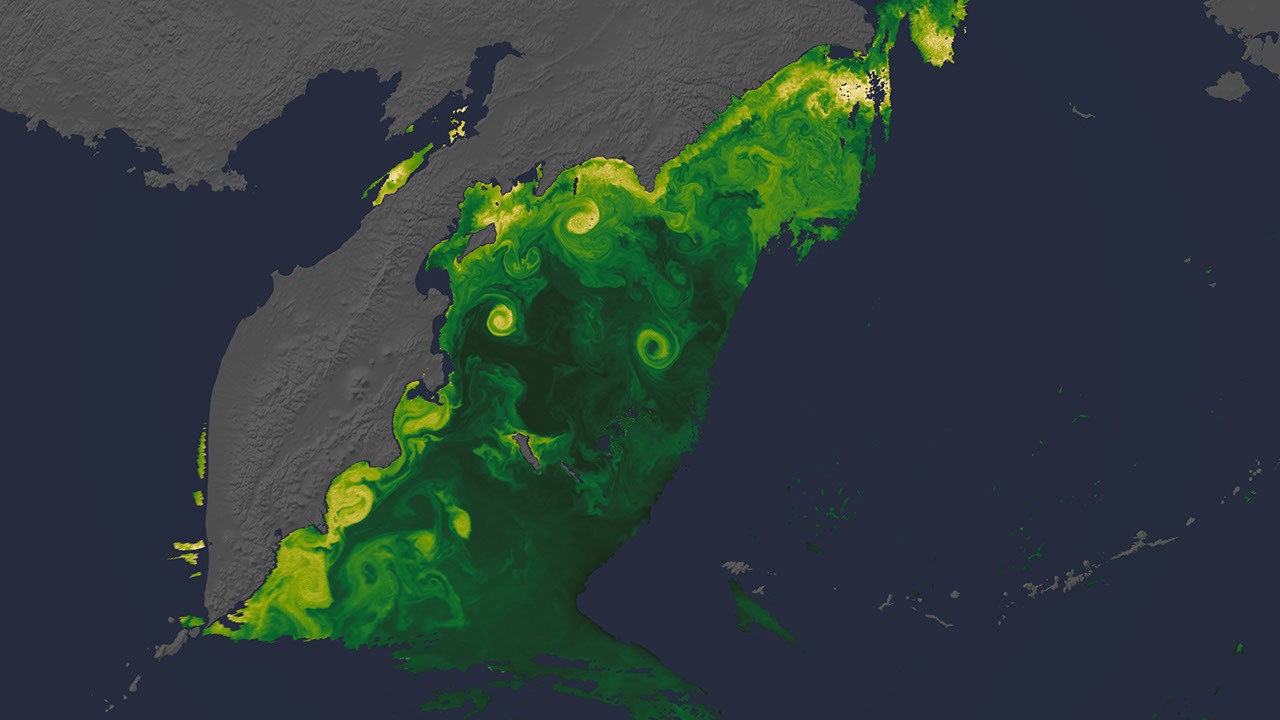
To further investigate the phenomena observed in these images, NASA relies on a robust network of satellites continuously monitoring Earth’s environment. Among these is the recently launched Plankton, Aerosol, Cloud, ocean Ecosystem (PACE) satellite, which was deployed in February 2024. PACE is designed to enhance our understanding of oceanic and atmospheric processes by collecting data on phytoplankton (microscopic marine algae), aerosols (tiny particles suspended in the air), and cloud formations.
The insights gathered by PACE will be instrumental in deciphering complex interactions within Earth’s climate system. For instance, understanding how phytoplankton contribute to carbon cycling and how aerosols affect cloud formation can help scientists predict weather patterns and climate changes more accurately.
The Significance of Earth Observations
The stunning visuals from Artemis II serve not only as artistic representations but also as critical tools for scientific inquiry. The bright city lights captured in these images prompt questions about urbanization and its impact on natural environments. Similarly, atmospheric conditions such as clouds over oceans can indicate larger climatic trends that affect weather systems globally.
NASA’s ongoing commitment to monitoring Earth through satellite technology underscores its importance in addressing pressing environmental challenges. By analyzing data collected from missions like Artemis II and satellites like PACE, researchers can gain valuable insights into issues such as climate change, pollution levels, and natural disasters.
What This Means for Future Research
The images from Artemis II are more than just visually striking; they represent a pivotal moment in space exploration that bridges lunar missions with terrestrial studies. As NASA continues to develop its capabilities for deep space exploration while maintaining a focus on Earth science, future missions are likely to yield even more comprehensive data about our planet’s health.
This dual focus on exploration and observation is crucial for developing strategies to mitigate environmental challenges. The information gathered from both lunar missions and satellite observations can inform policy decisions aimed at protecting Earth’s ecosystems while enabling sustainable development.
For more information, read the original report here.