












![[Photo] Inside Samsung OLED FC: Elite Gamers Compete Live on Advanced OLED Displays at Samsung KX](https://www.hawkdive.com/media/samsung-tvs-and-displays-s90f-tvs-odyssey-oled-g6-samsung-oled-fc_thumb932f-218x150.jpg "Elite gamers battle on advanced OLED displays at Samsung KX.")








In a groundbreaking move that could reshape the future of personalized medicine, NASA has launched an ambitious experiment known as AVATAR (A Virtual Astronaut Tissue Analog Response). This experiment is a pivotal component of NASA’s strategic initiative to glean crucial scientific insights during the upcoming Artemis II mission. The insights derived from this mission are expected to significantly enhance NASA’s preparedness as humanity gears up for a triumphant return to the lunar surface and an eventual journey to Mars.
The AVATAR investigation is centered around the utilization of organ-on-a-chip technology, commonly referred to as organ chips. These sophisticated devices are poised to provide invaluable data on the effects of deep space radiation and microgravity on human health. By incorporating cells from astronauts participating in the Artemis II mission into these organ chips, NASA aims to accompany these devices alongside the crew during their approximate 10-day lunar orbit. The comprehensive research efforts, which include other studies on the health and performance of Artemis II astronauts, will furnish NASA with critical insights into safeguarding astronauts as they venture to the Moon, Mars, and beyond.
Nicky Fox, the Associate Administrator for NASA’s Science Mission Directorate, expressed the transformative potential of the AVATAR experiment. She emphasized that this visionary initiative will revolutionize scientific exploration, medical practices, and human interplanetary exploration. The tissue chips, meticulously designed to emulate human organ responses, will enable NASA to anticipate the effects of deep space conditions on individual astronauts. This foresight is crucial for ensuring that each astronaut’s medical supplies are tailored to their specific needs during future missions to the Moon and Mars.
The AVATAR investigation is a collaborative endeavor involving NASA, various government agencies, and industry partners. By leveraging commercial expertise, this research aims to deepen our understanding of human biology and disease. The implications of this study are vast, with the potential to expedite advancements in personalized healthcare, benefiting both astronauts in space and patients on Earth.
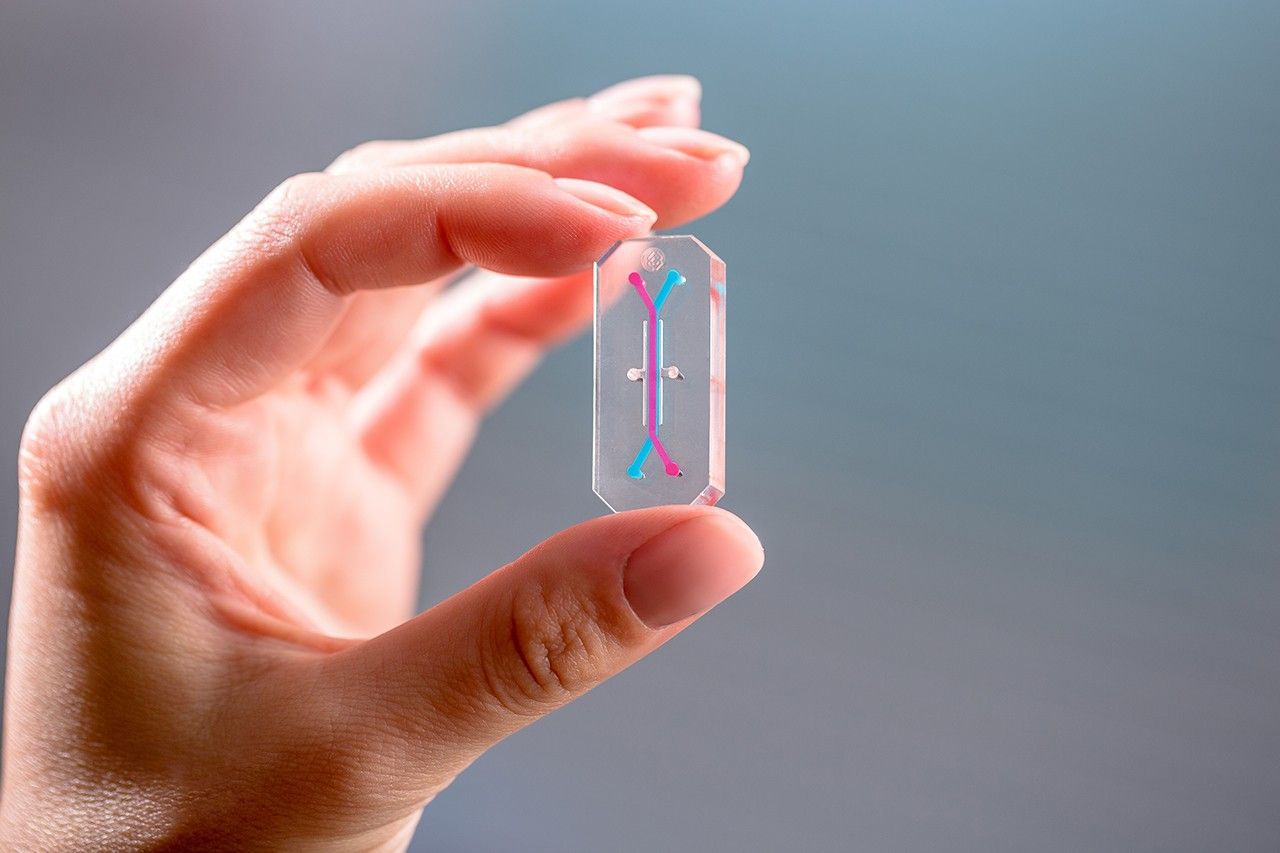
Organ chips, also known as tissue chips or microphysiological systems, are compact devices roughly the size of a USB thumb drive. These devices are designed to simulate and predict how an individual’s body might respond to various stressors, such as radiation or medical treatments. Essentially, organ chips serve as “avatars” for human organs, containing living human cells that mimic the structure and function of specific regions within organs like the brain, lungs, heart, pancreas, and liver. These chips can even replicate complex interactions between organs, offering a holistic view of how the human body responds to different stressors or treatments.
Currently, researchers and oncologists utilize human tissue chips to understand how a patient’s cancer might react to specific drugs or radiation therapies. Traditionally, the goal has been to sustain the health of human cells in organ chips for 30 days. However, NASA, in collaboration with other research institutions, is pushing the boundaries by extending the longevity of these chips to a minimum of six months, allowing scientists to observe disease progression and drug efficacy over a prolonged period.
The Artemis II mission marks a significant step forward in this research, as it will employ organ chips created from blood-forming stem and progenitor cells, which originate in the bone marrow of Artemis II crew members. Bone marrow is highly sensitive to radiation exposure, making it a critical organ for study during human spaceflight. It also plays a vital role in the immune system as the source of all adult red and white blood cells. Understanding how deep space radiation affects bone marrow is crucial for ensuring astronaut health during long-duration missions.
Microgravity has been shown to impact the development of bone marrow cells. While the International Space Station (ISS) operates in low Earth orbit and is shielded from most cosmic and solar radiation by Earth’s magnetosphere, astronauts aboard the ISS often experience bone density loss. The Artemis II crew, venturing beyond this protective layer, will provide researchers with a unique opportunity to examine how the combined stressors of deep space radiation and microgravity affect developing cells.
To create the bone marrow organ chips, Artemis II astronauts will first donate platelets to a local healthcare system. The remaining cells, which contain a small percentage of bone marrow-derived stem and progenitor cells, will be purified using magnetic beads that bind specifically to these cells. Scientists at Emulate, Inc., funded by NASA and responsible for the development of the organ chip technology used in AVATAR, will place the purified cells in the bone marrow chips alongside blood vessel cells and other supporting cells to mimic the structure and function of bone marrow.
Investigating how radiation affects bone marrow can provide valuable insights into how radiation therapy and other DNA-damaging agents, such as chemotherapeutic drugs, impact blood cell formation. This research holds significance not only for spaceflight but also for medical applications on Earth, making bone marrow an ideal organ to study in the Artemis II AVATAR project.
Lisa Carnell, the Director of NASA’s Biological and Physical Sciences division, highlighted the critical role that organ chips could play in protecting astronaut health during deep space missions. As NASA ventures farther and stays longer in space, astronauts will have limited access to clinical healthcare on-site. Therefore, understanding the unique healthcare needs of each astronaut becomes paramount, ensuring that the right supplies are sent with them on future missions.
During the Artemis II mission, the organ chips will be securely housed in a custom payload developed by Space Tango and mounted inside the spacecraft. This battery-powered payload will maintain automated environmental control and media delivery to the organ chips throughout the mission.
Upon the mission’s conclusion and the return of the spacecraft, researchers at Emulate will conduct single-cell RNA sequencing on the bone marrow chips to assess the impact of spaceflight. This powerful technique allows scientists to measure changes in thousands of genes within individual cells. By comparing data from the spaceflight samples with measurements from a simultaneous ground-based immunology study, researchers aim to gain the most detailed understanding to date of how spaceflight and deep space radiation affect developing blood cells.
The potential implications of the AVATAR experiment are far-reaching. By simulating human organ responses to space conditions, NASA is paving the way for personalized healthcare solutions that could benefit both astronauts and patients on Earth. As NASA continues to push the boundaries of human exploration, the insights gained from this research will be instrumental in ensuring the safety and well-being of astronauts on future missions to the Moon, Mars, and beyond. For more information, please visit NASA’s official website.
For more Information, Refer to this article.