


















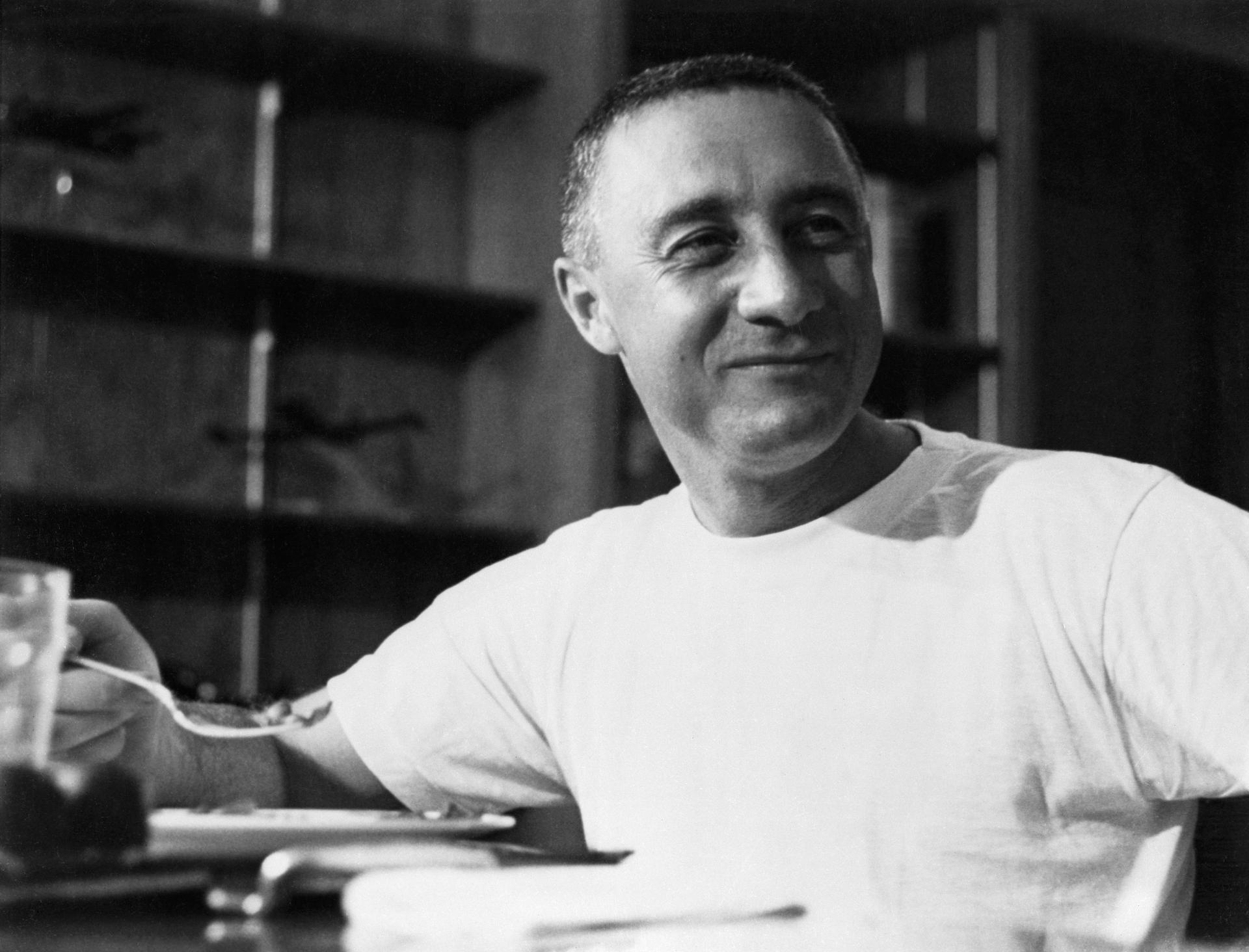
Today, we commemorate the 100th anniversary of the birth of Virgil I. “Gus” Grissom, a remarkable astronaut who made significant contributions to the early days of space exploration. Born on April 3, 1926, in Mitchell, Indiana, Grissom was one of NASA’s original seven astronauts and played a crucial role in shaping America’s space program.
Grissom made history as America’s second astronaut to fly in space when he embarked on the Liberty Bell 7 spacecraft on July 21, 1961, just weeks after Alan Shepard’s groundbreaking mission. During his 15-minute suborbital flight, Grissom encountered a life-threatening situation when the capsule’s hatch prematurely blew off upon splashdown, causing the spacecraft to flood with water. Despite the perilous circumstances, Grissom managed to escape, although his spacesuit also filled with water as the recovery helicopters rushed to save him. Unfortunately, the Liberty Bell 7 ultimately sank to the ocean floor.
In March 1965, Grissom achieved another milestone by becoming the first NASA astronaut to fly in space twice. He served as the commander of Gemini III, the inaugural crewed Gemini mission, alongside John Young. Reflecting on the successful test flight, Grissom expressed his satisfaction with the spacecraft’s performance, stating that they were able to execute maneuvers as planned and felt jubilant as the mission progressed.
The following year, in March 1966, NASA announced that Grissom would command the first Apollo mission, with crewmates Edward White and Roger Chaffee. Tragically, on January 27, 1967, disaster struck during a preflight test at Cape Kennedy when a fire engulfed the command module. Grissom, White, and Chaffee lost their lives in a heartbreaking accident that shocked the nation and deeply affected NASA.
In the weeks leading up to the tragedy, Grissom had acknowledged the risks involved in space exploration, noting that there would inevitably be challenges and potential losses in such experimental endeavors. He expressed hope that the American people would understand the sacrifices made for the advancement of the space program.
Grissom’s legacy continues to inspire future generations of astronauts and space enthusiasts, serving as a reminder of the dedication and courage required to push the boundaries of human exploration. As we honor his memory on this momentous occasion, we reflect on his contributions to space exploration and the enduring impact of his pioneering spirit.
For more information about Virgil I. “Gus” Grissom and his remarkable career as an astronaut, you can visit NASA’s official website at https://www.nasa.gov/former-astronaut-virgil-i-grissom/.
For more Information, Refer to this article.