






















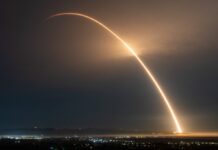






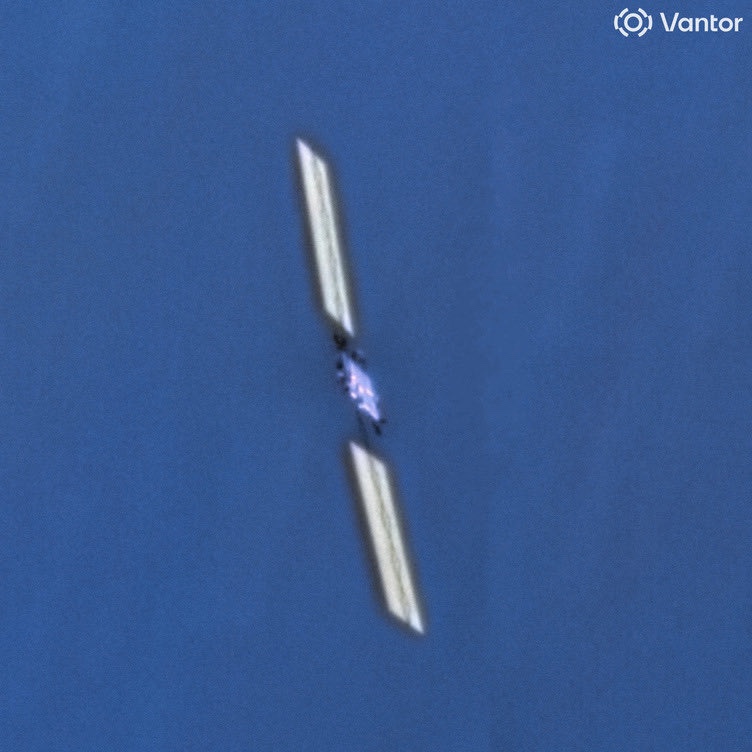
SpaceX’s Starlink program faced another setback as one of its satellites experienced a malfunction, leading to the generation of debris in space. This incident marks the second time in just over three months that a Starlink satellite has encountered such an issue.
The SpaceX Starlink project aims to provide global high-speed internet coverage through a constellation of satellites in low Earth orbit. However, this recent anomaly has raised concerns about the reliability and safety of the satellite network.
The malfunction that occurred with the Starlink satellite resulted in the release of debris into space, adding to the growing problem of space debris. Space debris, also known as space junk, poses a significant risk to operational satellites and spacecraft in orbit, as well as to astronauts on the International Space Station.
This incident highlights the challenges and complexities of managing a large constellation of satellites in space. With thousands of satellites planned to be deployed as part of the Starlink network, ensuring the safe and sustainable operation of these satellites is crucial.
SpaceX has not provided detailed information about the specific cause of the anomaly or the extent of the debris generated. However, the company is likely conducting investigations to determine the root cause of the malfunction and to prevent similar incidents in the future.
In response to this latest setback, space agencies and organizations involved in space operations are closely monitoring the situation and assessing the potential impact of the debris on other satellites and spacecraft in orbit. Collaborative efforts are essential to address the growing issue of space debris and to ensure the long-term sustainability of space activities.
As we continue to rely on satellite technology for communication, navigation, weather forecasting, and other essential services, it is essential to prioritize the responsible management of space activities to prevent collisions and minimize the generation of space debris.
The incident with the Starlink satellite serves as a reminder of the inherent risks and challenges of operating in space. While technological advancements have enabled significant progress in space exploration and satellite communication, ensuring the safety and sustainability of space activities remains a top priority for the global space community.
In conclusion, the recent anomaly with the Starlink satellite underscores the importance of addressing the issue of space debris and implementing measures to prevent future incidents. Collaborative efforts and responsible space management practices are crucial to ensuring the continued success and safety of satellite operations in orbit.
For more Information, Refer to this article.







![[Interview] Inside Spatial Signage: How Samsung Brought Glasses-Free 3D Displays to Life](https://www.hawkdive.com/media/samsung-tvs-and-displays-spatial-signage-interview_thumb932-218x150.jpg "Samsung’s Glasses-Free 3D Displays: The Inside Story [Interview]")
