






















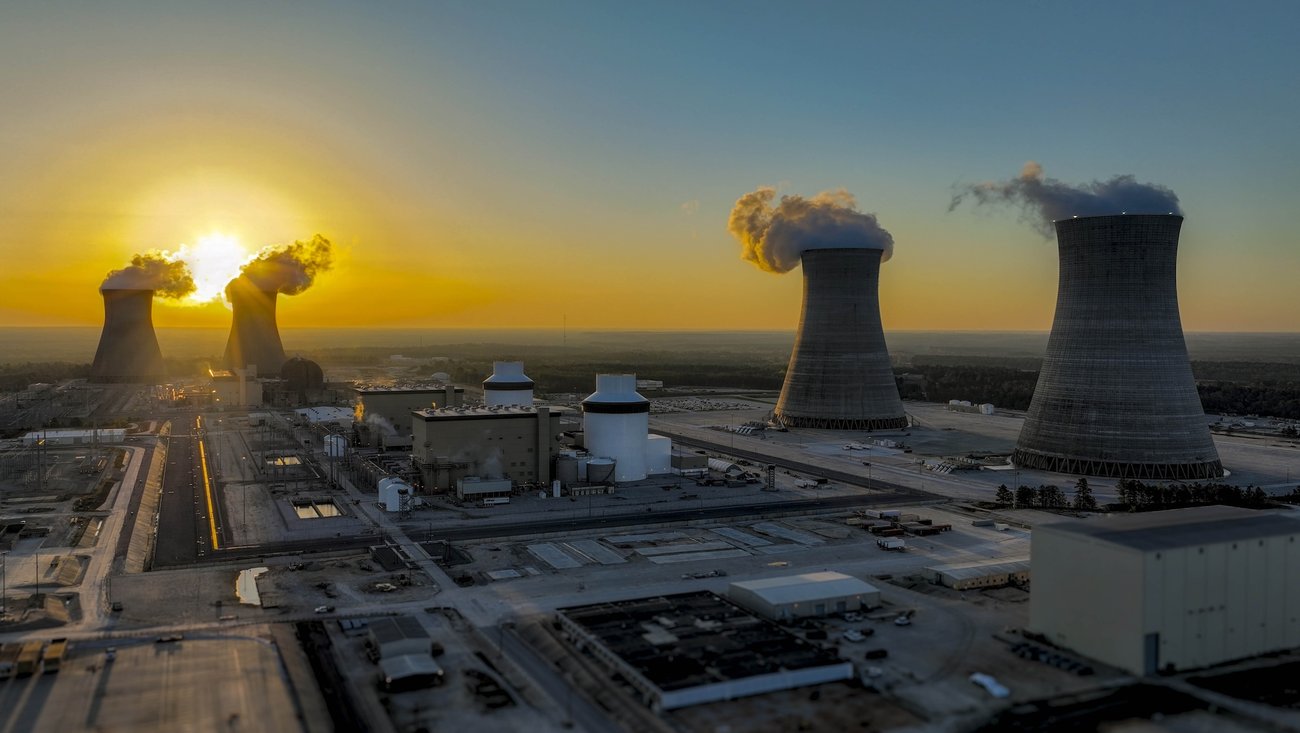
A Foundation for AI in Nuclear Energy
In a rapidly evolving world where energy demands are increasing and climate concerns loom large, the integration of advanced technologies like Artificial Intelligence (AI) into traditional industries is becoming more relevant and necessary. Westinghouse Electric Company, a key player in the nuclear power sector, is at the forefront of this integration, emphasizing the crucial role of AI in transforming nuclear energy into a viable investment for utilities. The company’s CEO, Dan Sumner, underscores the importance of AI-driven decision-making to enhance the efficiency and economic feasibility of nuclear power, which remains a pivotal component in addressing the global energy crisis.
One of the critical factors contributing to the successful adoption of AI at Westinghouse is the company’s proactive approach towards AI readiness. Recognizing the potential of AI early on, Westinghouse laid the groundwork by developing its proprietary AI infrastructure named Hive. This system is meticulously designed to navigate the complex regulatory and export-control frameworks that govern the nuclear industry. Complementing Hive is Bertha, a generative AI assistant developed by Westinghouse. Bertha is an innovative tool that provides instant access to 75 years of accumulated nuclear knowledge and documentation, demonstrating the company’s commitment to leveraging historical data for modern applications.
The strategic foresight of Westinghouse in developing these AI tools has not gone unnoticed. Google engineers, known for their expertise in AI technologies, have expressed admiration for how a company with a 140-year legacy has adeptly assembled the necessary foundation to deploy AI technologies securely within such a heavily regulated environment. This collaboration underscores the potential of AI not just as a technological upgrade but as a transformative force capable of redefining how industries operate.
Building on Data for Construction Efficiency
A significant area where AI is making a tangible impact is in the construction process of nuclear reactors, a critical aspect that historically accounts for nearly 60% of the total reactor costs. Traditionally, managing the complex construction process involved relying on spreadsheets and paper documents, which often led to inefficiencies and delays. These delays could have a domino effect, impacting thousands of interconnected tasks and inflating costs.
Westinghouse, however, has turned these challenges into opportunities by harnessing the power of AI. By integrating AI models and predictive tools with their proprietary platform, WNEXUS—a 3D digital twin of their reactors—Westinghouse has revolutionized construction management in the nuclear sector. This innovative system utilizes both current and historical data to foresee potential bottlenecks, optimize the sequencing of construction tasks, adjust staffing requirements, and even account for external factors such as supply chain constraints.
The implications of this AI-driven approach are profound. By predicting and mitigating potential issues before they arise, Westinghouse can streamline the construction process, reduce costs, and minimize delays. This not only enhances the economic viability of nuclear power projects but also contributes to a more reliable and efficient energy infrastructure. The use of digital twins, in particular, offers a dynamic and interactive model of reactors, allowing stakeholders to visualize and manipulate complex data in real-time, further enhancing decision-making processes.
The Broader Impact of AI in the Energy Sector
The integration of AI into nuclear energy is part of a larger trend where advanced technologies are reshaping the energy landscape. AI has the potential to optimize not just construction processes but also the operational and maintenance aspects of nuclear plants. By continuously analyzing vast amounts of data, AI systems can predict equipment failures, suggest maintenance schedules, and even optimize energy production to align with fluctuating demand patterns.
Furthermore, AI can play a pivotal role in enhancing safety measures within nuclear facilities. By monitoring operational data in real-time, AI systems can detect anomalies and potential safety threats, allowing for proactive interventions that safeguard both workers and the environment. This capability is particularly critical in an industry where safety is paramount and regulatory compliance is stringent.
The adoption of AI in nuclear energy also aligns with broader sustainability goals. As the world seeks to transition towards cleaner energy sources, nuclear power, with its low carbon footprint, is poised to play a crucial role in this transition. AI technologies can enhance the efficiency and reliability of nuclear power, making it a more attractive option for countries and companies committed to reducing their carbon emissions.
Industry Reactions and Future Prospects
The advancements made by Westinghouse in integrating AI into nuclear energy have elicited positive reactions from industry experts and stakeholders. Many view this as a significant step towards modernizing the nuclear sector, which has traditionally been slow to adopt new technologies due to regulatory and safety concerns. The success of Westinghouse’s AI initiatives could serve as a model for other companies in the energy sector, encouraging them to explore the potential of AI in enhancing operational efficiencies and cost-effectiveness.
Looking ahead, the role of AI in the energy sector is expected to grow. As AI technologies continue to evolve, they offer new opportunities for innovation and improvement across various facets of energy production and distribution. For companies like Westinghouse, staying at the forefront of AI innovation not only enhances their competitive edge but also positions them as leaders in the ongoing energy transition.
In summary, Westinghouse’s pioneering efforts in integrating AI into nuclear energy represent a significant milestone in the evolution of the energy sector. By leveraging AI to optimize construction processes, enhance safety measures, and improve operational efficiencies, Westinghouse is setting a new standard for the industry. As AI technologies continue to advance, their potential to transform traditional industries and contribute to sustainable energy solutions will only expand, offering exciting possibilities for the future of energy.
For more Information, Refer to this article.