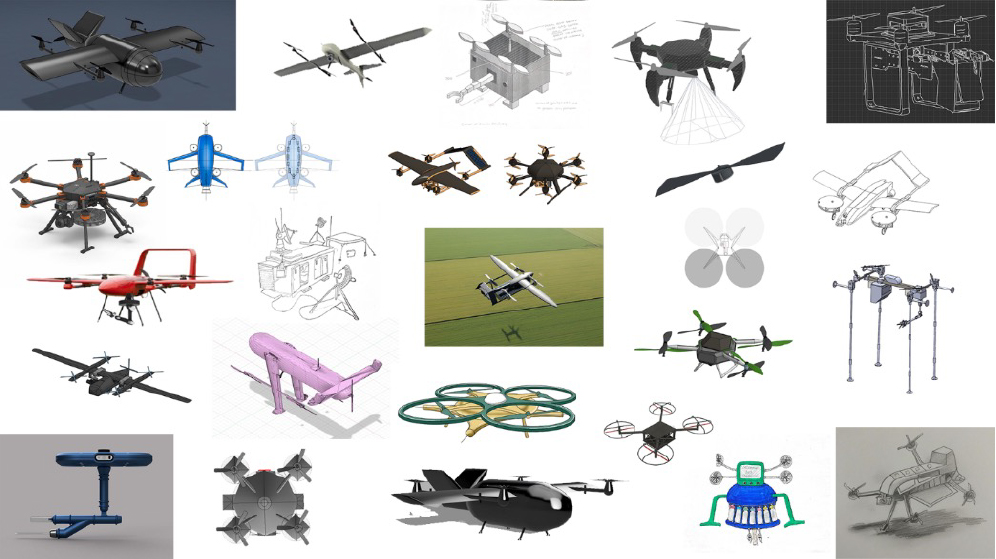
NASA Announces Winners of the 2025-2026 Dream with Us Competition
NASA has revealed the winners of its 2025-2026 Dream with Us competition, an initiative aimed at inspiring middle and high school students to engage with STEM (Science, Technology, Engineering, and Mathematics) through innovative projects. The announcement was made on April 26, 2026, showcasing a diverse range of student teams from across the United States who demonstrated exceptional creativity and technical skills in their engineering notebooks.
Middle School Winners
The middle school category featured several standout teams that impressed judges with their inventive approaches and thorough documentation. Among the winners were:
- Varenya D., Aashritha P., and Alvitha P. from New Jersey.
- Charlotte W. and Richard F. from California.
- Hasini B. and Kanishka A. representing both Texas and California.
These students showcased their ability to tackle complex engineering challenges while collaborating effectively as teams. Their projects not only reflected a deep understanding of scientific principles but also highlighted their potential as future innovators in the aerospace field.
High School Achievements
The high school category saw remarkable entries, with several teams earning recognition for their outstanding work. Notable winners included:
- Monta Vista High School and Foothill High School from California, whose project entitled “Team SkySeekers” can be explored further in their engineering notebook.
- Adrian Wilcox High School in California, presenting “Team AeroForge,” which is detailed in their engineering notebook.
- A collaborative effort from Eastern Technical High School, Damascus High School, Dulaney High School, and Thomas Wooten High School in Maryland called “Team Flight Fusion,” available for review in their engineering notebook.
The high school projects not only displayed technical proficiency but also emphasized teamwork and problem-solving skills essential for success in STEM fields.
The Importance of STEM Education
The Dream with Us competition is part of NASA’s broader efforts to promote STEM education among young people. By providing students with opportunities to engage in hands-on projects that relate directly to real-world challenges faced by scientists and engineers, NASA aims to cultivate the next generation of innovators. Programs like this encourage critical thinking, creativity, and collaboration—skills that are increasingly vital in today’s technology-driven world.
This initiative aligns with national educational goals to enhance student interest in STEM subjects, particularly among underrepresented groups. By recognizing the achievements of diverse student teams across the country, NASA is fostering an inclusive environment that encourages participation from all backgrounds.
Future Prospects for Participants
The recognition received through competitions like Dream with Us can have lasting impacts on participants’ academic and professional trajectories. Winning teams gain visibility within the scientific community and may have opportunities to connect with mentors who can guide them as they pursue further education or careers in STEM fields.
Moreover, engaging with such initiatives helps students build valuable skills that extend beyond technical knowledge. They learn how to communicate complex ideas effectively, manage projects collaboratively, and think critically about problem-solving—all essential competencies for future leaders in any industry.
What This Means for Young Innovators
The results of the 2025-2026 Dream with Us competition underscore the importance of fostering innovation among youth through structured educational programs. As NASA continues to support initiatives that inspire young minds to explore science and technology, it paves the way for a more skilled workforce capable of addressing future challenges. The achievements of these students not only highlight individual talents but also serve as a reminder of the collective potential within communities when given the right tools and encouragement.
For more information, read the original report here.