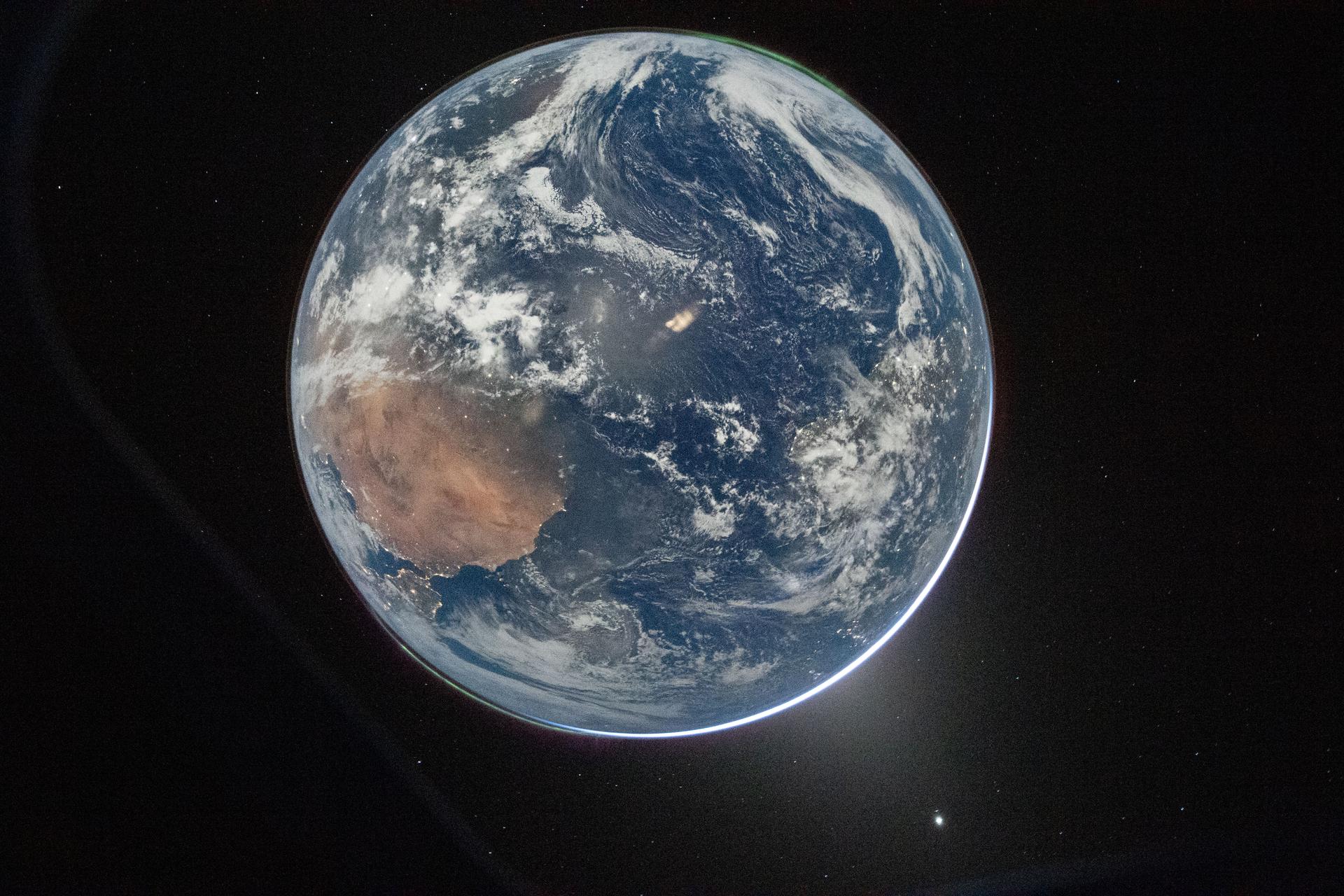
NASA’s Artemis II Mission Achieves Historic Milestone
On April 1, 2026, NASA’s Artemis II mission successfully launched, marking the first crewed flight of the Orion spacecraft. The mission, which lasted nearly 10 days, saw astronauts Reid Wiseman, Victor Glover, Christina Koch, and Canadian Space Agency astronaut Jeremy Hansen travel around the Moon before safely splashing down in the Pacific Ocean on April 10. This journey not only set a record for the greatest distance humans have traveled in space, reaching 252,756 miles from Earth, but also laid the groundwork for future lunar exploration and eventual missions to Mars.
Training and Preparation for Lunar Exploration
Prior to their historic flight, the Artemis II crew underwent extensive training to prepare for the challenges of lunar exploration. A significant portion of their preparation took place in Iceland’s volcanic terrain, where they practiced navigation and field geology skills. The astronauts collected rock samples using tools such as hammers and chisels while working collaboratively to refine techniques that would be essential during their lunar missions.
The crew also trained in NASA’s Orion Crew Survival System (OCSS), which includes custom-fitted spacesuits designed for use during launch and re-entry. These bright orange suits are equipped with systems for air, water, food, and waste management, capable of sustaining life for up to six days in emergencies. The astronauts practiced suit operations in simulated weightlessness and pressurized environments to ensure their performance would meet the demands of deep space travel.
A Journey Beyond Earth
The Artemis II mission was not just about reaching new distances; it was also about making connections. During their flight, the crew engaged in a historic communication with astronauts aboard the International Space Station (ISS), marking a significant achievement in ship-to-ship communication capabilities. This interaction underscored the collaborative spirit of human space exploration as both teams shared insights and experiences from their respective missions.
Throughout their journey, the crew observed the Moon from closer than any humans have before during a crewed mission. They traveled a total distance of 694,481 miles over the course of their flight. The lunar flyby allowed them to capture stunning images and data that will contribute to scientific understanding of our nearest celestial neighbor.
Safe Return and Recovery Operations
After completing their mission objectives, the Artemis II crew returned safely to Earth on April 10. Recovery operations were executed by NASA and U.S. Navy teams who secured the Orion spacecraft after splashdown in the Pacific Ocean. The astronauts were assisted out of the capsule and flown by helicopter to a Navy recovery ship while Orion was transported back to shore for analysis.
The successful recovery highlighted not only NASA’s commitment to safety but also its ability to execute complex operations under challenging conditions. This experience will inform future recovery efforts as NASA prepares for more ambitious missions.
The Path Forward: Preparing for Future Missions
The Artemis II mission represents a significant step forward in human space exploration. It demonstrated deep space crew operations and tested critical systems aboard Orion with astronauts present. As NASA looks ahead toward future lunar missions—particularly those targeting the Moon’s South Pole—preparations are already underway. This includes developing next-generation spacesuits and lunar tools while addressing challenges such as harsh lighting conditions and extreme temperatures on the lunar surface.
Future Artemis missions will build upon this foundation as NASA aims for sustained exploration of the Moon and eventual human missions to Mars. The agency is committed to learning from each mission while refining technologies that will support long-term human presence beyond Earth.
What This Means
The successful completion of Artemis II marks an important milestone not just for NASA but for global space exploration efforts as well. By pushing boundaries further than ever before, this mission sets a precedent for future endeavors aimed at exploring both our Moon and Mars. As humanity prepares for deeper space exploration, lessons learned from Artemis II will play a vital role in shaping safe and effective strategies for upcoming missions.
For more information, read the original report here.