Nasa Conducts Prescribed Burns at Kennedy Space Center During Launch Countdown
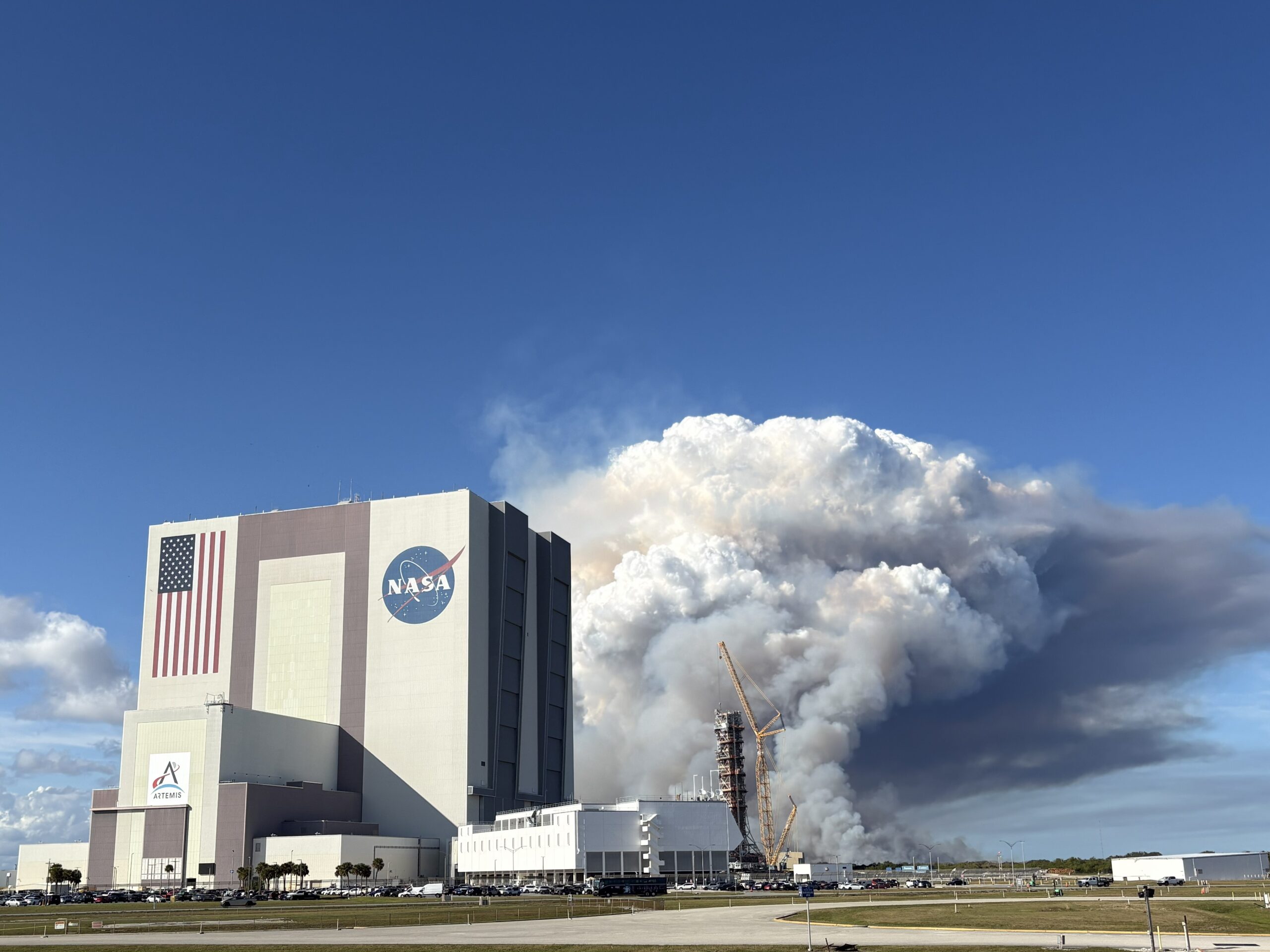
In a groundbreaking move, NASA, in collaboration with the U.S. Fish and Wildlife Service, conducted prescribed burns over 2,600 acres of scrub habitat at the Kennedy Space Center in January 2026. This unprecedented operation took place during an active launch countdown, marking a significant shift in land management practices at one of the busiest spaceports in the world.
Understanding Prescribed Burns
Prescribed burns are controlled fires set intentionally to manage land and reduce excess vegetation that can fuel wildfires. At NASA Kennedy, this method is particularly crucial due to its proximity to sensitive wildlife habitats and critical launch infrastructure. The larger burn affected approximately 1,400 acres in an area known as Happy Creek, which is vital for the federally protected Florida scrub-jay and other species that thrive on periodic wildfires.
The second burn targeted a 1,200-acre section located east of Kennedy Parkway and south of the center’s industrial zone. This area includes significant facilities such as the Neil A. Armstrong Operations and Checkout Building and the Space Systems Processing Facility, both integral to NASA’s ongoing and future missions.
Adapting to Increased Launch Cadence
Historically, NASA paused launch operations when conducting prescribed burns within its secure area or the surrounding Merritt Island National Wildlife Refuge. However, with more than 100 successful launches recorded in 2025 and an anticipated increase in launch frequency, both NASA officials and wildlife managers recognized the need for a new approach to land management.
Greg Gaddis, senior operations manager for the spaceport, emphasized that as launch activities grow, so does the necessity for effective land management strategies. “We must find new ways to lessen the amount of fire fuel on the ground while also keeping pace with the launch needs of our government and commercial partners,” he stated. This proactive approach aims to mitigate risks associated with unexpected fire outbreaks that could jeopardize both space missions and wildlife habitats.
Safety Measures During Prescribed Burns
Conducting prescribed burns involves meticulous planning and coordination among various teams to ensure safety throughout the process. The Space Operations Office at Kennedy worked closely with wildlife service personnel and mission partners during these burns. Prior to ignition, officials analyzed weather patterns to anticipate wind direction and smoke dispersal.
To safeguard personnel working near affected areas, NASA implemented several precautionary measures. Smoke warnings were issued, some workers were temporarily relocated or allowed to work remotely, and intermittent road closures were enacted around key entrances during the weekend operations.
Shawn Sullivan, assistant fire management officer for Region 4 of the U.S. Fish and Wildlife Service, noted the impressive coordination among teams involved in this operation. “To do is to learn, and we all learn each day,” he remarked after witnessing firsthand how various specialized groups collaborated effectively during this complex undertaking.
The Importance of Regular Prescribed Burns
Regularly scheduled prescribed burns every two or three years are essential for maintaining ecological balance within the refuge surrounding Kennedy Space Center. These controlled fires help prevent overgrowth that could hinder access for firefighters in case of emergencies while also reducing potential wildfire fuel loads.
The decision-making process regarding when and where to conduct these burns is complex. Factors such as vegetation density play a crucial role in determining burn locations. Gaddis highlighted that maintaining clear access routes for emergency responders is paramount: “It also leaves less fuel a wildfire can use to grow,” he added.
What This Means
The successful execution of prescribed burns during an active launch countdown signifies a progressive shift in how NASA manages land while balancing its operational demands with environmental stewardship. As space exploration continues to expand rapidly, such innovative practices will be vital in ensuring safety for both infrastructure and wildlife habitats alike. The collaboration between agencies demonstrates a commitment not only to advancing space technology but also to preserving natural ecosystems essential for biodiversity.
For more information, read the original report here.