WordPress Student Clubs Foster Ongoing Engagement in Open Source
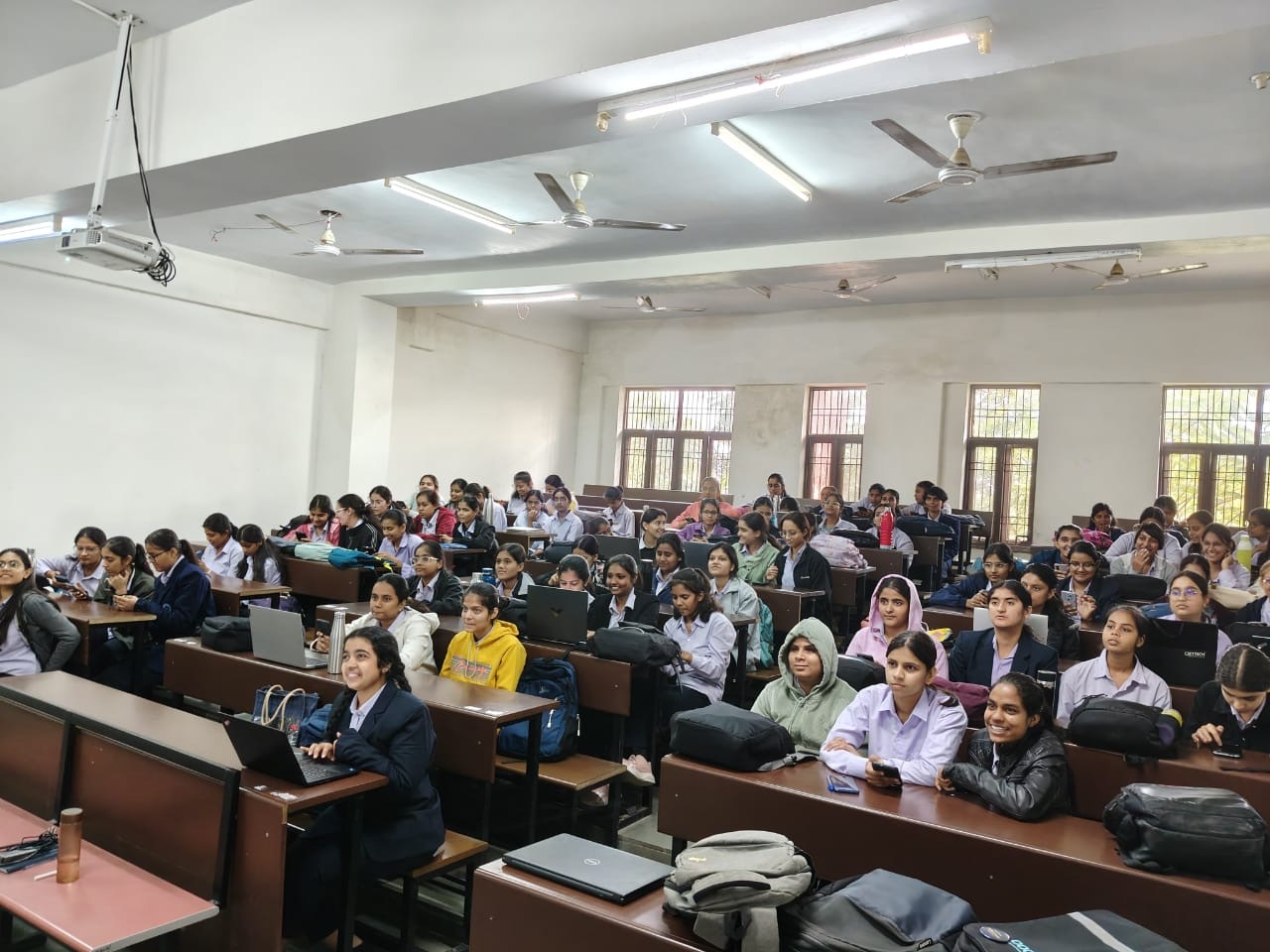
WordPress has launched Student Clubs across various universities, aiming to extend the impact of its Campus Connect workshops into sustained, student-led initiatives. These clubs provide a consistent platform for students to learn about WordPress and open source, while also facilitating community building and peer support. This initiative is crucial for creating a long-term pathway for students to engage with the WordPress ecosystem and contribute to their local communities.
The Genesis of WordPress Student Clubs
The inception of WordPress Campus Connect workshops was driven by a clear objective: to introduce students to WordPress and the principles of open source software. Initial workshops sparked significant interest among students who had little prior exposure to WordPress. Many began asking questions and exploring the capabilities of the software, igniting curiosity about the broader community.
However, it became evident that a single workshop was insufficient for maintaining this newfound enthusiasm. While encouraging attendance at local WordPress meetups helped bridge some gaps, it was clear that a more consistent engagement model was needed within the university environment. This realization led to the formation of WordPress Student Clubs, which offer ongoing opportunities for learning and contribution.
Challenges in Sustaining Participation
As these clubs began to take shape, organizers faced the challenge of maintaining momentum. Initial enthusiasm often waned after introductory sessions, making it difficult to ensure regular participation. Organizers learned that fostering consistent engagement required patience and innovative strategies. The key was creating an environment where students felt comfortable participating actively.
One significant hurdle was ensuring that activities remained approachable and relevant. Organizers discovered that hands-on sessions, collaborative exercises, and small workshops encouraged more consistent attendance than larger events. By focusing on practical learning experiences rather than passive listening, clubs could cultivate an atmosphere conducive to ongoing participation.
Additionally, academic schedules presented another layer of complexity. As student-led organizations, clubs had to navigate class timings and assignment deadlines while maintaining regular activities without overwhelming participants. These challenges ultimately contributed to refining how clubs operated effectively within campus life.
Effective Strategies for Engagement
Through trial and error, successful strategies began emerging among the clubs. Rather than organizing large-scale events, many found success through smaller, repeatable activities that felt less intimidating for newcomers. Regular learning sessions and peer-to-peer discussions created a welcoming atmosphere that encouraged participation.
This steady approach proved beneficial as students returned to familiar formats and could observe their progress over time. As routines developed, participation grew organically; students began taking ownership of their learning experiences by sharing knowledge with peers and contributing actively during sessions.
The support from local WordPress communities played a pivotal role in this process as well. While clubs are primarily student-led, having experienced mentors available provided invaluable guidance on session structure and activity planning. This mentorship not only bolstered organizers’ confidence but also connected campus activities with the broader WordPress ecosystem.
Visible Impact Across Campuses
Although still in their infancy, WordPress Student Clubs are already demonstrating positive outcomes. Organizers report increased interest among students eager to learn about WordPress and explore open source contributions in practice. Notably, many students who initially joined as learners have transitioned into active roles within their clubs, contributing to discussions and organizing activities themselves.
This shift from passive participation to active involvement signifies growth beyond mere awareness; it reflects opportunities for students to develop leadership skills while fostering connections within the WordPress community. A notable instance occurred during an International Women’s Day celebration in Ajmer, India, where approximately 50% of attendees were from student clubs—many participating in a broader community event for the first time.
The Future of WordPress Student Clubs
The development trajectory of WordPress Student Clubs suggests promising potential for ongoing learning and collaboration on campuses nationwide. These initiatives are not only helping students stay engaged with WordPress beyond initial introductions but are also forging stronger links between educational institutions and local communities.
This sustained engagement is vital for nurturing future contributors within the open source ecosystem. Regular club activities combined with continued mentorship can empower students before they attend local meetups or contribute to community projects outside their campuses.
As more students engage with these clubs and take ownership of their roles within them, pathways toward learning, leadership, and community involvement will continue to expand. For campuses looking to maintain momentum post-Campus Connect workshops, these student-led initiatives represent a strategic opportunity for fostering long-term engagement in the WordPress community.
What This Means
The establishment of WordPress Student Clubs marks an important step toward integrating open source education into university environments effectively. By creating supportive spaces for learning and collaboration, these clubs not only enhance individual skill development but also strengthen community ties among future contributors in the tech landscape.
For more information, read the original report here.