



















IBM and Dallara Partner to Enhance Vehicle Design with AI
IBM and the Dallara Group have announced a strategic collaboration aimed at revolutionizing vehicle design through the development of physics-based artificial intelligence (AI) foundation models. This partnership, unveiled on April 30, 2026, seeks to significantly reduce aerodynamic simulation times and improve design workflows in high-performance vehicle engineering, leveraging both companies’ expertise in AI and quantum computing.
Combining Expertise for Advanced Simulation
For over five decades, Dallara has been a prominent player in the racing industry, supplying high-performance vehicles for prestigious series such as IndyCar, Formula 2, and Formula 3. With an extensive portfolio that includes contributions to various top-tier racing programs and applications in aerospace, Dallara’s engineering prowess makes it an ideal partner for IBM. The collaboration aims to harness Dallara’s validated aerodynamic data alongside IBM’s advanced AI capabilities to enhance vehicle design processes.
The initial phase of the project has focused on developing domain-specific foundation models that utilize Dallara’s proprietary aerodynamic simulation data. These models are designed to predict aerodynamic behaviors based on vehicle geometry and engineering inputs. Future efforts will integrate real-world measurements from wind tunnel tests and track performance to further validate the AI models.
Accelerating Aerodynamic Design with AI
Engineers traditionally rely on computational fluid dynamics (CFD) to analyze aerodynamic forces affecting vehicle performance. However, CFD simulations can be time-consuming; even simple analyses may take several hours, while comprehensive workflows can extend over weeks or months. The partnership between IBM and Dallara aims to expedite these processes without sacrificing the underlying physics.
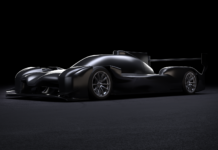
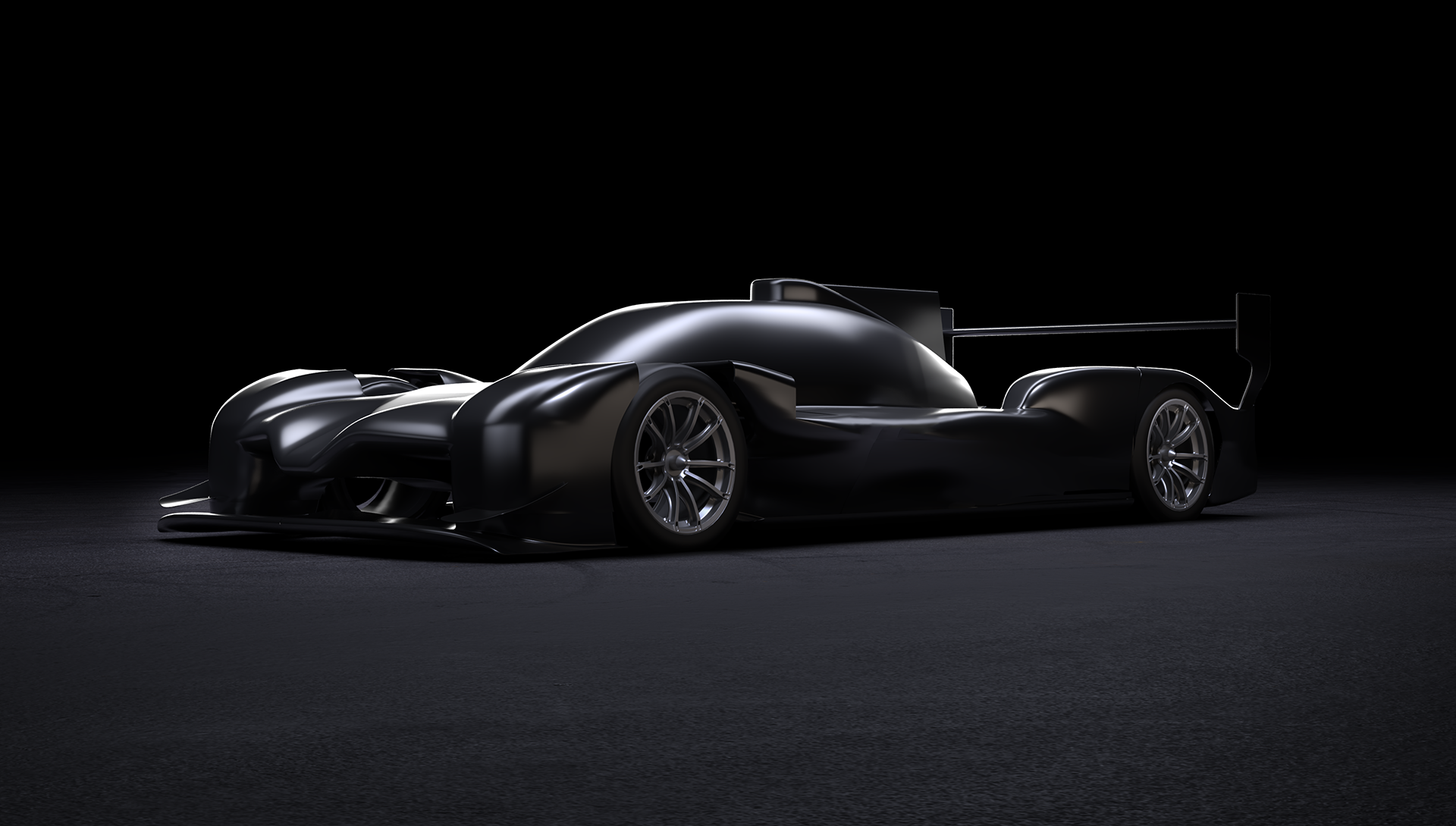
In a notable early experiment involving a conceptual Le Mans Prototype 2 (LMP2)-like race car, the AI model demonstrated remarkable efficiency. While traditional CFD analyses required several hours to evaluate multiple configurations of the rear diffuser—an essential component for generating downforce—the AI model completed similar evaluations in approximately 10 seconds. This substantial reduction in simulation time could allow engineers to explore hundreds of configurations within minutes rather than days.
Exploring Quantum Computing Integration
In addition to developing AI-driven solutions, IBM and Dallara are investigating how quantum computing could further enhance their design workflows. By merging Dallara’s expertise in high-fidelity engineering with IBM’s advancements in quantum technology, the collaboration seeks to identify opportunities where these innovative methods can complement traditional simulation approaches. This exploration could lead to breakthroughs in automotive design that were previously unattainable with conventional computing methods.
“Racing has taught Dallara that there are two possible outcomes: you either win or are forced to learn,” said Andrea Pontremoli, CEO of Dallara. “IBM’s close collaboration on this innovative project is a testament to our willingness to continuously push boundaries.” Meanwhile, Alessandro Curioni from IBM emphasized the importance of accurately simulating physical systems as a critical challenge in engineering.
The Broader Impact of Enhanced Aerodynamics
The implications of this collaboration extend beyond motorsports. Efficient aerodynamic designs could significantly benefit various transportation sectors, including passenger vehicles and aircraft. Even minor improvements—such as a one or two percent reduction in drag—could lead to substantial fuel efficiency gains across large fleets of vehicles.
Dallara CIO Fabrizio Arbucci noted that while high-performance vehicles serve as an ideal testing ground for these neural surrogate models, their potential applications span multiple industries affected by aerodynamics. As the collaboration progresses, IBM and Dallara plan to expand their AI models across diverse conditions and scenarios to facilitate faster exploration of new aerodynamic configurations before committing resources to full-vehicle simulations.
Initial Findings and Future Directions
The preliminary results from this collaboration were detailed in a preprint study published on April 20, 2026. This research builds upon IBM’s Gauge-Invariant Spectral Transformers (GIST), which was introduced earlier that month. Both companies presented their findings at the International Conference on Learning Representations held in Rio de Janeiro on April 26, 2026.
This partnership not only signifies a leap forward in automotive design but also highlights the growing intersection between advanced computing technologies and traditional engineering practices.
What This Means
The collaboration between IBM and Dallara represents a significant advancement in vehicle design methodologies by integrating cutting-edge AI technologies with established engineering practices. By reducing simulation times dramatically, this initiative allows engineers more freedom to experiment with designs early in the development process. As quantum computing continues to evolve alongside these efforts, it may pave the way for even more sophisticated modeling techniques that could transform not just motorsports but also broader transportation sectors.
For more information, read the original report here.