Orion Spacecraft’s Flywheel: A Key Component for Astronaut Health on Artemis II Mission
The Artemis II mission marked a significant milestone in NASA’s lunar exploration efforts, with astronauts embarking on a 694,481-mile journey around the Moon. Central to the mission’s success was the Orion spacecraft, which equipped its crew with essential tools for maintaining physical and mental health during their time in space. Among these tools was a unique exercise device known as the flywheel, developed under the leadership of Ryan Schulte, project manager for the Orion flywheel initiative.
The Role of Exercise in Space Missions
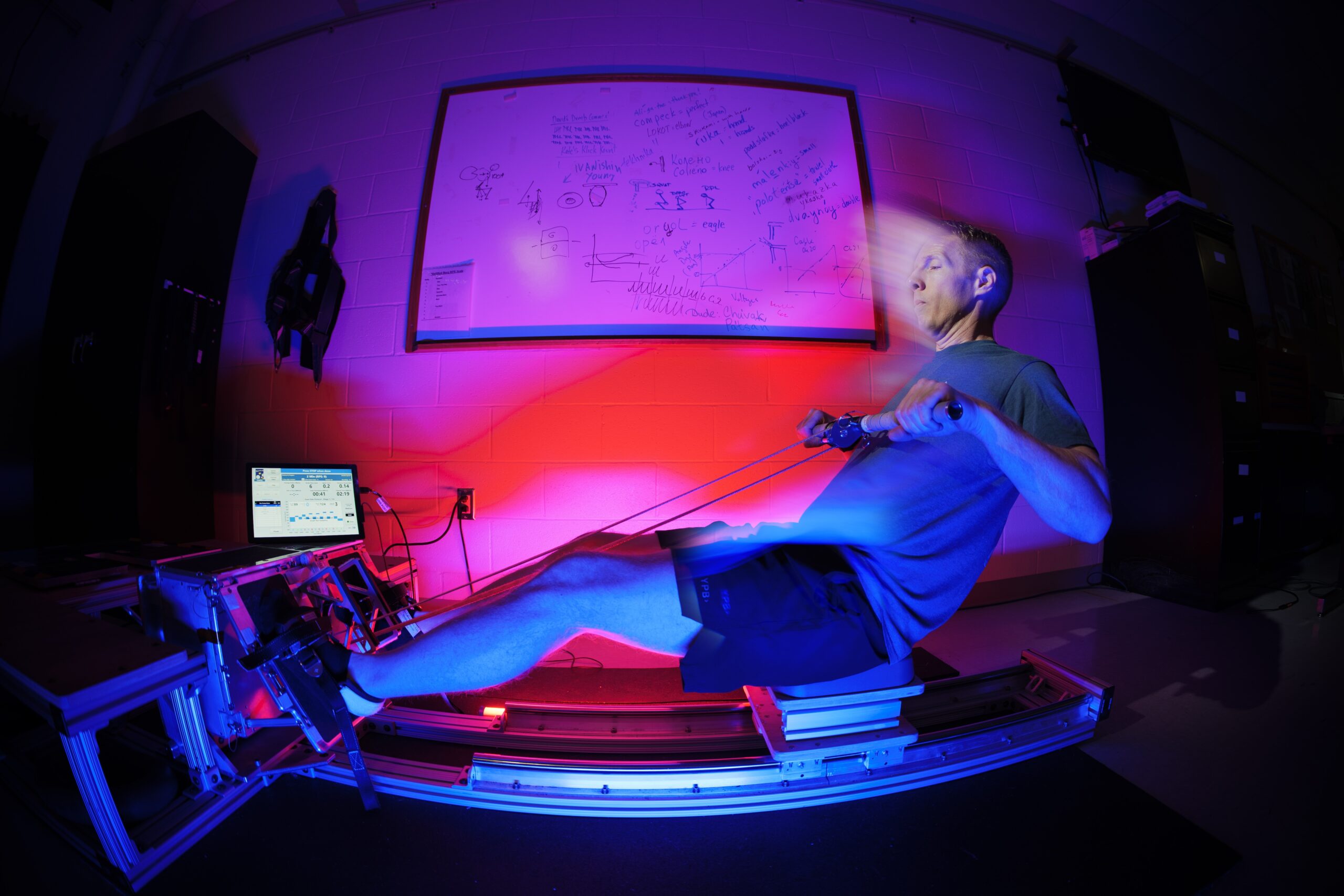
As astronauts ventured into deep space, they faced numerous challenges associated with living in a microgravity environment. One of the most pressing issues is muscle and bone atrophy due to the absence of Earth’s gravitational pull. To combat this, the Artemis II crew engaged in daily exercise routines using the flywheel, which provided both aerobic and resistance workouts without drawing power from the spacecraft’s systems.
The flywheel is a compact device roughly the size of a large shoebox. It operates on principles similar to an inertial yo-yo, allowing users to select different gear ratios for varying resistance levels. This versatility enables astronauts to perform a range of exercises including squats, deadlifts, and aerobic rowing, with resistance levels reaching up to 500 pounds depending on user input.
Design Challenges and Innovations
Developing an exercise device suitable for use in space presented unique challenges for Schulte’s team at NASA’s Johnson Space Center in Houston. The confined space within the Orion capsule necessitated careful consideration of design elements to ensure that crew members could move freely while exercising. Noise reduction was another critical factor; maintaining clear communication among crew members during workouts was essential.
Schulte highlighted that one of the primary challenges was fitting all necessary components into a compact design while ensuring sufficient room for astronauts to perform exercises safely. The successful implementation of the flywheel during Artemis II demonstrated its effectiveness; crew members completed approximately 30 minutes of daily exercise sessions throughout their mission.
Physical and Mental Health Benefits
The importance of regular exercise cannot be overstated when it comes to astronaut health. Schulte emphasized that without gravity, astronauts’ muscles and bones begin to weaken over time. Regular workouts using the flywheel help counteract these effects and prepare crews for demanding tasks such as lunar surface walks or emergency evacuations from the capsule.
In addition to physical benefits, exercise also plays a crucial role in mental well-being. The confined living conditions aboard Orion can lead to psychological stress, making it vital for astronauts to engage in activities that promote mental clarity and emotional stability. Schulte noted that many crew members reported feeling more focused and clear-headed after exercising in flight.
The Future of Exercise Devices in Space Exploration
With Artemis II successfully demonstrating the viability of the flywheel, NASA is looking ahead to future missions where enhanced exercise capabilities will be essential. Schulte’s team is currently working on developing a fleet of reusable exercise devices designed specifically for long-duration missions beyond Artemis II.
This ongoing research aims not only to improve astronaut health but also to optimize performance during critical mission phases. As NASA prepares for more ambitious explorations—including potential missions to Mars—the need for effective exercise solutions will only grow more important.
What This Means
The development and successful deployment of the flywheel during Artemis II underscore NASA’s commitment to astronaut health and safety during deep space missions. As human exploration ventures further from Earth, innovative solutions like this exercise device will be crucial in ensuring that astronauts remain physically fit and mentally sharp throughout their journeys. The insights gained from this mission will inform future designs and operational protocols as humanity pushes boundaries further into space.
For more information, read the original report here.