














![[Video] Samsung Color E-Paper: A Smarter Alternative to Traditional Posters](https://www.hawkdive.com/media/samsung-tvs-and-displays-samsung-color-e-paper-samsung-vxt-digital-signage_thumb932-218x150.jpg "Samsung introduces Color E-Paper as innovative poster alternative.")







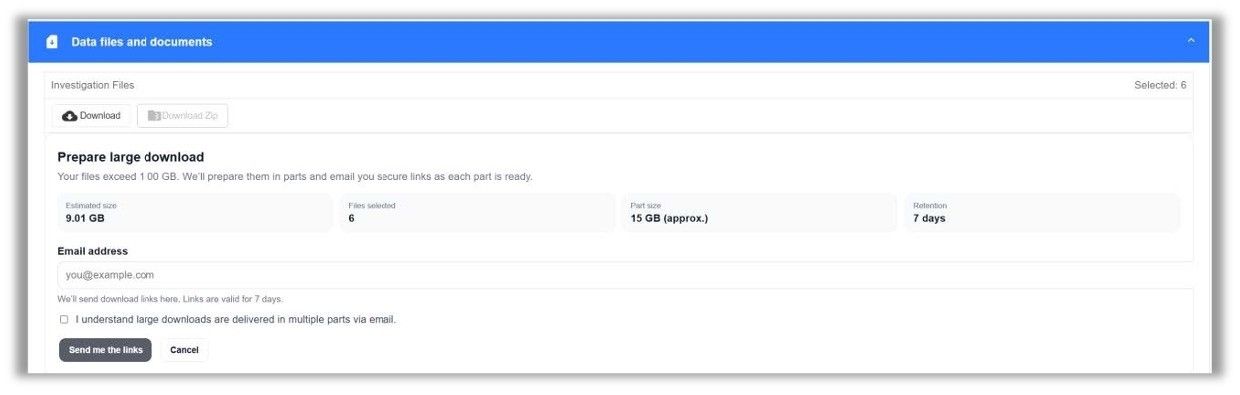
Enhancing User Experience with Improved Large Dataset Downloads in the PSI Database
In a significant update aimed at enhancing user experience, the PSI (Public Sector Information) database has introduced a new method for handling large dataset downloads. This change is particularly beneficial for users who frequently work with datasets exceeding 1GB in size, as it optimizes the download process making it more efficient and user-friendly.
A New Approach to Large Dataset Downloads
Previously, users downloading large datasets from the PSI database would encounter challenges such as system lag, interruptions, and an overall cumbersome process. With the latest update, files larger than 1GB will no longer be directly downloaded from the website. Instead, these files will be sent via email, allowing users to continue with other tasks without experiencing delays. This background processing ensures that files are ready for access at the user’s convenience once the request has been fulfilled.
Why the Update Was Necessary
The decision to update the download process stems from the need to improve the overall user experience. Here are some key advantages of the new system:
- Reduced System Lag and Interruptions: By preparing and sending large files via email, the update minimizes the risk of download interruptions and system slowdowns.
- Enhanced Productivity: Users can remain productive as they no longer need to wait for large files to download directly from the website.
- Increased Reliability: The new method enhances the reliability of downloading large datasets, reducing the likelihood of encountering errors.
- Manageable File Parts: Large files are delivered in parts, making them easier to manage and extract once downloaded.
Navigating the New Download Process
For those looking to download datasets larger than 1GB, the process is straightforward and efficient. Here’s how it works:
- Users begin by selecting the desired files. Once selected, they click on the "Download Zip" option.
- In the "Prepared Large Download" section, users need to provide an email address where the download access links will be sent. It’s crucial to ensure that the email address is accurate to avoid any delays.
- Users must then confirm their understanding that large downloads will be delivered in multiple parts via email by checking the appropriate box.
- After submitting the request by clicking "Send me the links," users will receive a confirmation email indicating that the download request has been submitted.
- Once the files are ready, users will receive a second email containing the download links. It’s important to note that these links are valid for seven days, so users should download the files promptly to avoid expiration.
Best Practices for Seamless Download Experience
To maximize the benefits of this new system, users are encouraged to follow these best practices:
- Download Only What You Need: Smaller requests are processed more quickly, so only download the necessary files.
- Split Large Requests: If possible, divide large requests into smaller parts to expedite processing time.
- Avoid Multiple Large Requests: To ensure smoother performance, submit one large download request at a time.
- Ensure Proper Extraction: Save all parts of the ZIP file to the same folder before extracting to avoid errors.
- Timely Downloads: Remember that download links will expire after seven days, so save the files while the links are still active.
- Use a Reliable Email Address: Double-check for any typos in the email address provided, and make sure to check your spam or junk folder if you do not receive the emails.
Additional Insights
This update not only enhances the user experience but also aligns with broader trends in data management where efficiency and user convenience are prioritized. By moving the processing of large datasets to background tasks, users can focus on their primary work without being bogged down by lengthy download times.
Moreover, this initiative reflects a growing recognition of the importance of data accessibility and reliability in digital environments. As organizations continue to accumulate vast amounts of data, having efficient systems to manage and access this information becomes increasingly critical.
For users of the PSI database, this update represents a significant improvement in how they interact with large datasets, ultimately supporting more effective data analysis and utilization.
For more details on this update and to explore the PSI database, users can visit the official website. This update is a testament to the ongoing efforts to improve digital tools and resources for better data handling and accessibility.
In conclusion, the PSI database’s new approach to handling large dataset downloads is a valuable development that underscores the importance of user-centric design in digital solutions. By streamlining the download process and ensuring that users can access their data efficiently, the PSI database enhances its utility and reinforces its commitment to providing high-quality data services.
For more Information, Refer to this article.