
























Nasa’s Artemis II Mission Opens New Frontiers in Human Research
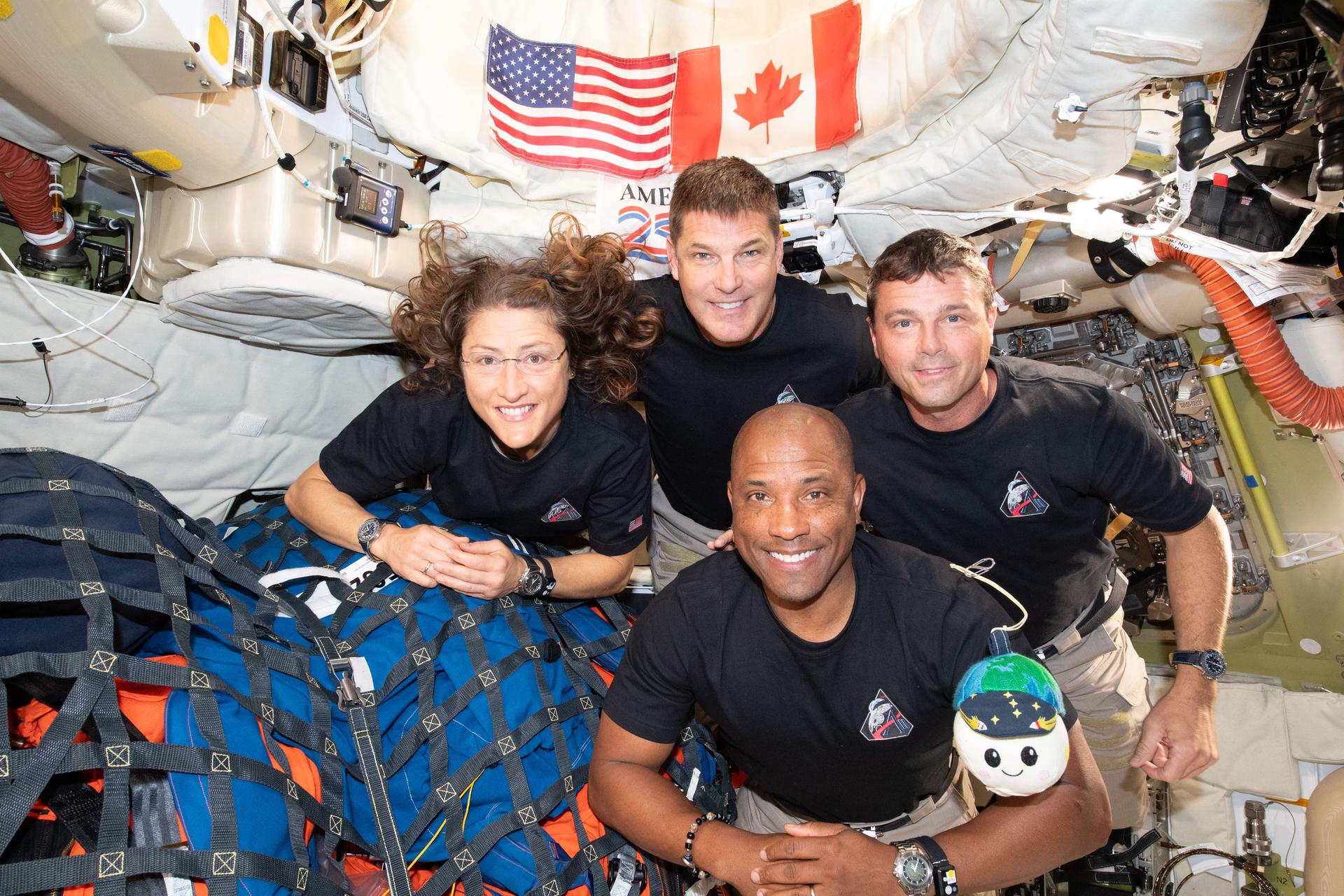
NASA’s Human Research Program (HRP) is set to leverage groundbreaking data from the Artemis II mission, the first crewed journey to the Moon’s vicinity since Apollo 17 in 1972. Scheduled for launch with a crew of four aboard the Orion spacecraft, this mission aims to gather critical insights into human health and performance during deep space travel, paving the way for future lunar and Martian explorations.
Significance of the Artemis II Mission
The Artemis II mission marks a pivotal moment in space exploration history. It represents humanity’s return to deep space after over fifty years, allowing astronauts to experience conditions beyond low Earth orbit. The mission will expose the crew to various factors that affect human physiology and psychology, including space radiation, isolation, and confinement within a new spacecraft environment. These elements are crucial for understanding how humans adapt to long-duration missions, which is essential for NASA’s goals of establishing a sustainable presence on the Moon and eventually sending humans to Mars.
Research Opportunities from Deep Space Conditions
For NASA’s HRP, Artemis II provides an unparalleled research opportunity. The data collected during this mission will significantly enhance existing knowledge primarily derived from low Earth orbit missions. This will include direct measurements of how the human body reacts to deep space conditions—an area where ground-based simulations fall short. The unique dataset generated from this mission will allow researchers to analyze physiological responses in real-time, providing insights that could not be captured through terrestrial studies.
The HRP aims to monitor various physiological systems, including cardiovascular health, bone density, muscle mass, and psychological well-being. Understanding these responses is vital for ensuring astronaut safety and performance on long-duration missions where isolation and exposure to radiation can pose significant risks.
The Analytical Challenge Ahead
While the potential benefits of the data are immense, they come with their own set of challenges. The Artemis II mission will involve a small sample size of just four astronauts; however, the complexity of analyzing data across multiple physiological systems presents a significant analytical challenge. To address this issue, NASA has launched the Artemis II Human Research Data Methodology Challenge.
This challenge invites researchers and analysts to develop innovative methodologies for interpreting the unique dataset that will emerge from the mission. Participants will need to consider various data modalities and time points while addressing how best to analyze such limited but rich information. The challenge highlights NASA’s commitment not only to collecting data but also to maximizing its utility through robust analytical frameworks.
Details of the Data Methodology Challenge
The Artemis II Human Research Data Methodology Challenge is open for submissions starting March 30, 2026, with a closing date of June 5, 2026. A total prize pool of $25,000 will be awarded to participants who present effective solutions for analyzing the complex dataset generated by the mission. This initiative underscores NASA’s dedication to fostering collaboration within the scientific community while encouraging innovative approaches to data analysis in space research.
What This Means for Future Space Exploration
The insights gained from Artemis II have far-reaching implications for both current and future space exploration efforts. As NASA prepares for longer missions beyond Earth’s orbit—particularly those aimed at Mars—the knowledge gained about human health in deep space will be invaluable. Understanding how astronauts respond physiologically and psychologically during extended periods away from Earth can inform everything from spacecraft design to mission planning and astronaut training protocols.
Ultimately, as humanity stands on the brink of a new era in space exploration with missions targeting both lunar bases and Martian colonies, initiatives like HRP’s research during Artemis II serve as foundational steps toward ensuring safe and successful journeys into deeper realms of our solar system.
For more information, read the original report here.