Severe Flooding Hits Michigan as Spring 2026 Begins
Michigan is grappling with significant flooding as heavy rains and snowmelt inundate the state, particularly affecting the Grand River area near Grand Rapids. Starting in early April 2026, above-average precipitation has led to saturated soils and rising water levels, prompting a flood watch across both the upper and lower peninsulas. As conditions worsen, officials are urging residents to prepare for potential evacuations.
Heavy Rainfall and Snowmelt Contribute to Flooding
The onset of spring 2026 has brought an unusual amount of rainfall to Michigan, with March and early April experiencing precipitation levels well above normal. In Grand Rapids, rainfall totals for March were nearly double the average, while the first half of April saw an additional 5.79 inches (147 millimeters)—almost two inches more than the typical monthly total. This excessive moisture, coupled with melting snow from the northern regions, has created ideal conditions for flooding.
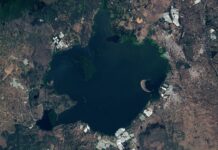
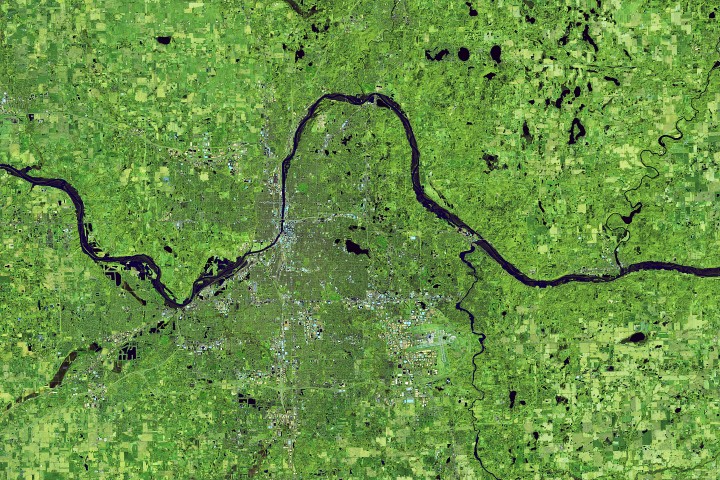
Images captured by NASA’s Earth Observatory illustrate the stark contrast in water levels along the Grand River between April 2025 and April 2026. The river is now significantly swollen, reflecting the impact of recent weather patterns. The river gauge data indicated that as of April 11, 2026, water levels at Comstock Park were in minor flood stage but had already crested just below major flood level.
Impact on Infrastructure and Communities
The flooding has caused widespread disruption throughout Michigan. Roads and trails along the Grand River have been submerged, impacting local traffic and access to communities. Reports indicate that homes near the riverbanks are at risk as waters continue to rise. Local authorities are closely monitoring the situation as additional rain is forecasted.
In northern Michigan, where a substantial snowpack remains on the ground, combined rainfall and snowmelt have exacerbated flooding conditions. This has led to significant road washouts, including sections of scenic drives like M-119 in Emmet County. Additionally, airport runways have become unusable due to standing water, further complicating transportation in affected areas.
Dams Under Stress and Evacuations Recommended
The persistent rain has placed considerable strain on dams across Michigan. Officials have been actively monitoring several reservoirs that are nearing capacity and could potentially overtop if conditions do not improve. In light of these risks, some local governments have begun issuing evacuation advisories for residents living near vulnerable areas.
The situation is particularly dire around Cheboygan County, where officials have expressed concerns about dam integrity amidst rising water levels. As floodwaters threaten infrastructure and public safety, emergency services are on high alert to respond swiftly should further evacuations be necessary.
Looking Ahead: Weather Forecasts and Preparedness
As mid-April approaches, forecasts indicate that more rain may be on the horizon for Michigan. This could further complicate recovery efforts in areas already impacted by flooding. Residents are advised to stay informed through local weather updates and heed any evacuation orders issued by authorities.
The National Oceanic and Atmospheric Administration (NOAA) continues to provide real-time data on river gauges throughout the state to help inform residents about current conditions. Communities are encouraged to prepare emergency kits and make plans for potential evacuations as a precautionary measure against worsening weather conditions.
What This Means
The severe flooding currently affecting Michigan underscores the importance of preparedness in the face of extreme weather events. With climate change contributing to increasingly unpredictable weather patterns, residents must remain vigilant about their safety during such natural disasters. Local governments are working tirelessly to manage resources effectively while ensuring public safety remains a top priority amidst these challenging circumstances.
For more information, read the original report here.