






























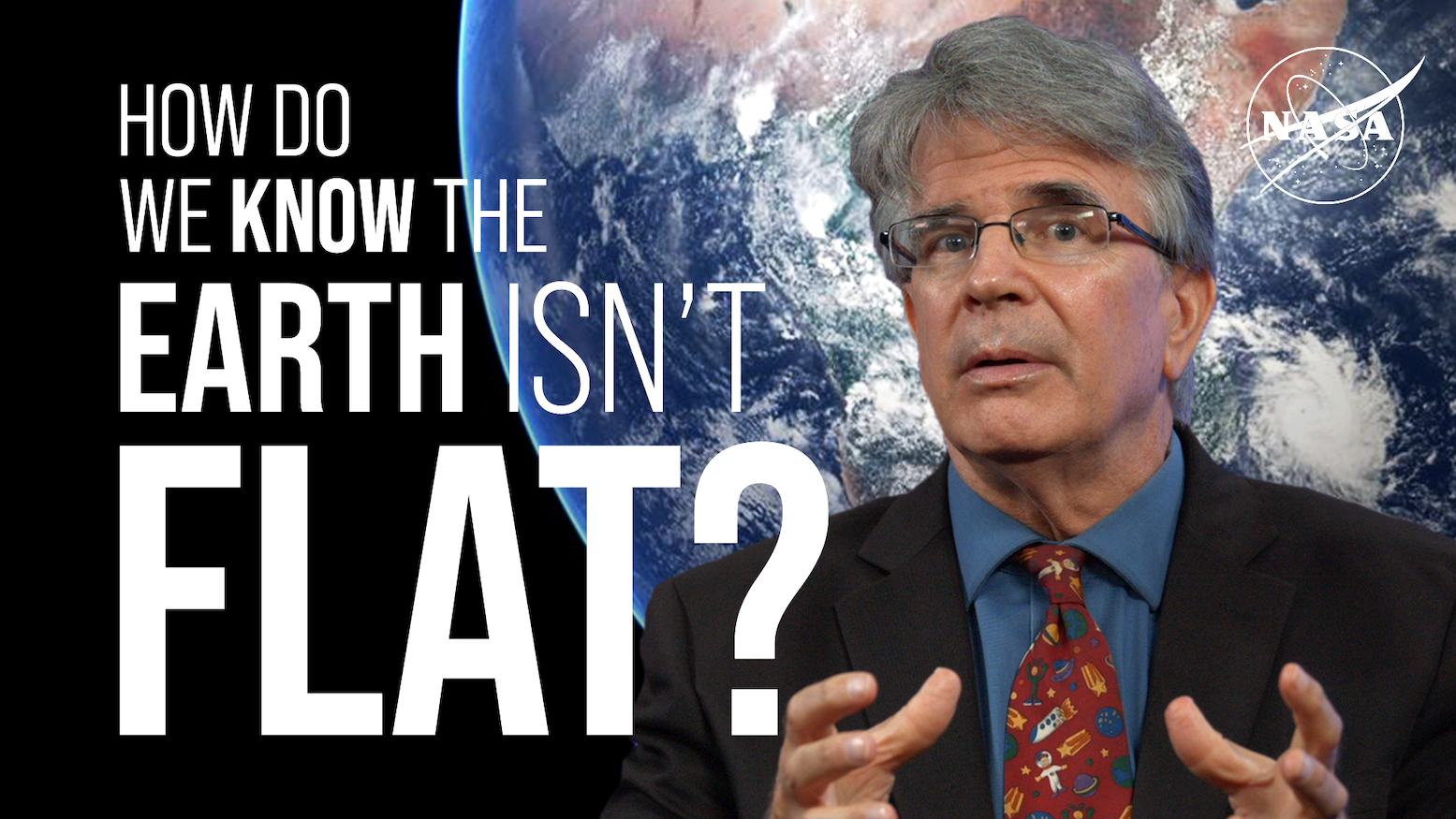
The Timeless Understanding of Earth’s Roundness: A Journey Through History and Space
Throughout the annals of history, the concept of a round Earth has fascinated and enlightened civilizations. Ancient Greeks and Egyptians were among the first to observe celestial movements and the behavior of shadows cast by the Sun. These observations led them to the remarkable conclusion that the Earth is indeed spherical. This revelation was not only groundbreaking at the time but also laid the foundation for future explorations and scientific discoveries.
In the age of exploration, mariners took to the seas, circumnavigating the globe. Their successful journeys across oceans and their ability to return home from the opposite direction provided tangible evidence supporting the notion of a round Earth. Had our planet been flat, such voyages would have ended abruptly at an edge. The knowledge that Earth is round empowered explorers and changed our understanding of the world.
Fast forward to the mid-20th century, the dawn of the space age. The late 1950s and 1960s marked a significant turning point in human history as we ventured beyond our planet’s confines. For the first time, we were able to witness the Earth from space, confirming its beautiful spherical shape. This vantage point offered a profound perspective, situating our world within the solar system and the broader universe.
The spherical nature of our planet is not unique. The Sun, Mars, and many other celestial bodies share this characteristic. This shape is central to the field of space geodesy, which involves measuring and understanding Earth’s geometric shape, orientation in space, and gravity field. These methods allow us to pinpoint locations with incredible precision, enhancing navigation systems that ensure we are never truly lost.
Understanding Earth’s roundness also plays a crucial role in monitoring environmental changes. By taking Earth’s ‘pulse,’ scientists can track oceanic shifts, climate change, and other planetary dynamics. This data is invaluable for assessing the health of our planet and guiding efforts to protect and preserve it.
As humanity prepares for new adventures in space, such as returning to the Moon and exploring other worlds, the roundness of celestial bodies remains a fundamental consideration. This understanding enriches our exploration endeavors, providing insights into the universe’s structure and the laws governing celestial mechanics.
The ongoing pursuit of knowledge about our planet and the universe is driven by curiosity and a desire to comprehend our place in the cosmos. As we continue to embrace the scientific truths about Earth’s shape, we are reminded of the importance of evidence-based understanding in dispelling myths and advancing human progress.
For those interested in delving deeper into these topics, a wealth of resources, including expert discussions and educational videos, are available. These materials provide further insights into the science and history of Earth’s roundness, offering a broader context for understanding our planet and its place in the universe.
For a comprehensive exploration of these themes, NASA offers a series of informative episodes featuring expert insights. To access the full list of episodes, visit the NASA website. Additionally, a curated YouTube playlist provides a visual journey through the history and science of Earth’s roundness, making it accessible to a wider audience.
In conclusion, the understanding that Earth is round is not just a scientific fact; it is a testament to human curiosity and the relentless quest for knowledge. From ancient civilizations to modern space exploration, this concept has shaped our understanding of the world and continues to inspire future generations.
For more Information, Refer to this article.







