























An In-Depth Look at the Artemis II Crew Training for Lunar Mission
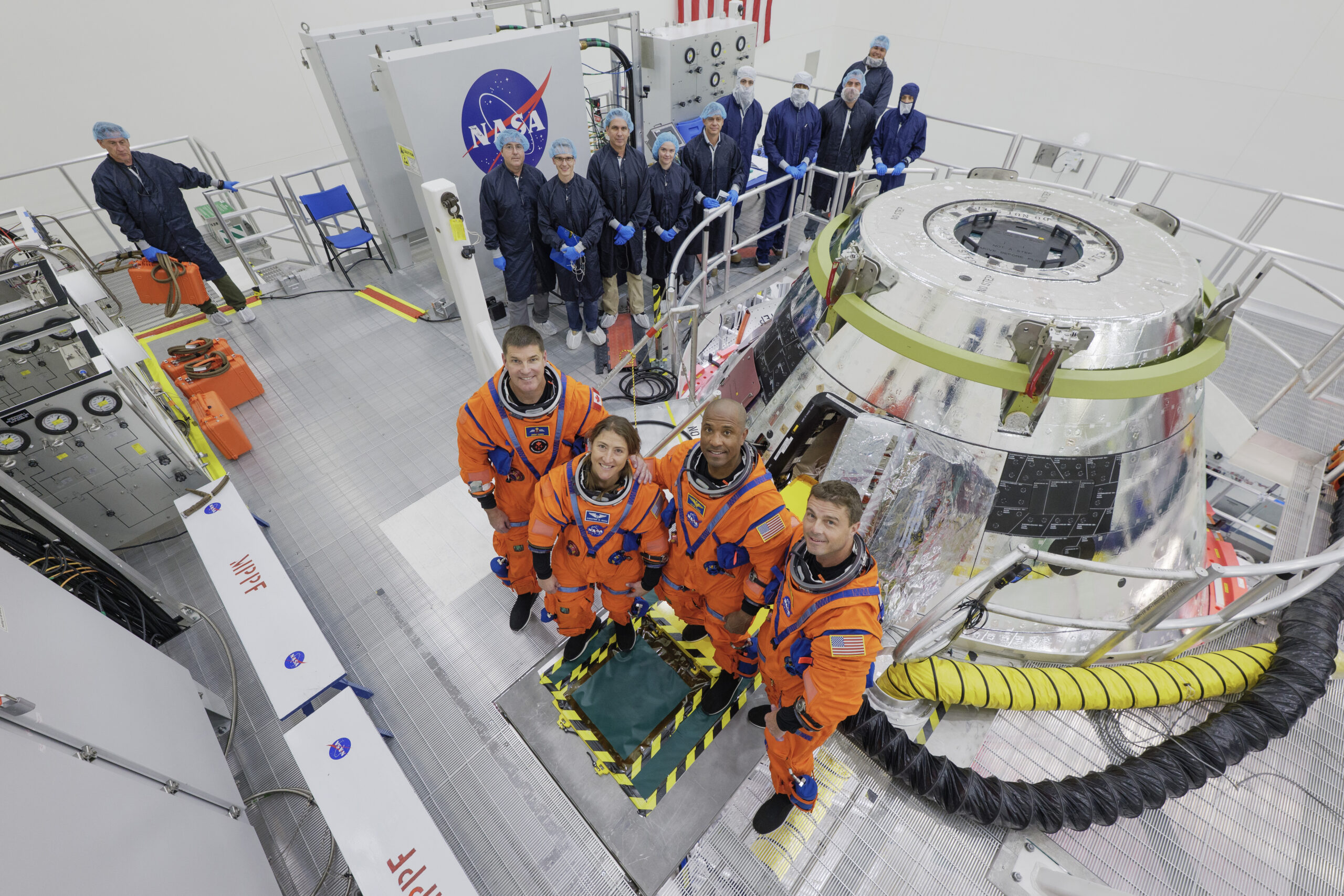
The Artemis II mission marks a significant milestone in NASA’s ambitious plans to return humans to the Moon. This mission involves a diverse team of astronauts who recently participated in a crucial training session at the Kennedy Space Center in Florida. The crew, which includes Canadian Space Agency astronaut Jeremy Hansen and NASA astronauts Christina Koch, Victor Glover, and Reid Wiseman, donned their Orion Crew Survival System Suits for an intensive multi-day training session inside the Orion spacecraft.
This training, which commenced on July 31, 2025, is a critical step in preparing the team for their upcoming mission to orbit the Moon. The Artemis II mission is part of NASA’s broader Artemis program, which aims to establish a sustainable human presence on the Moon by the end of this decade. This program not only seeks to explore new lunar territories and conduct scientific research but also to pave the way for future manned missions to Mars.
Understanding the Orion Crew Survival System Suits
The Orion Crew Survival System Suits are specially designed to ensure astronaut safety and efficiency during space missions. These suits are equipped with advanced life support systems and protection features to keep the astronauts safe from the harsh environment of space. They also facilitate mobility and flexibility, allowing the crew to perform various tasks during the mission.
During the training, the astronauts underwent a series of tests, including a suited crew test and a crew equipment interface test. These tests are designed to simulate launch day and orbital activities within the Orion spacecraft. This simulation is crucial as it helps the crew familiarize themselves with the spacecraft’s environment and operations, ensuring they are well-prepared for the actual mission.
The Importance of Simulated Orbital Activities
Simulated orbital activities are a vital component of astronaut training. These activities involve replicating the conditions and tasks that the crew will encounter during their mission. By simulating these scenarios, the astronauts can practice their responses to various situations, enhancing their readiness and confidence.
For the Artemis II crew, this training marked the first time they entered the Orion spacecraft while wearing their spacesuits. This experience is invaluable, as it allows the astronauts to become accustomed to the spacecraft’s layout and functionalities, ensuring they are fully prepared for the challenges of space travel.
The Role of the Artemis II Closeout Crew
Supporting the astronauts during their training were members of the Artemis II closeout crew. This team is responsible for ensuring that all aspects of the training run smoothly and safely. They assist with the preparation and execution of the training exercises, providing expertise and guidance to the astronauts.
The closeout crew also plays a crucial role in the safety and efficiency of the mission. They are tasked with overseeing the astronauts’ suits and equipment, ensuring everything is functioning correctly and securely. This meticulous attention to detail is essential for the success of the mission, as any issues with the equipment could have significant implications during the actual spaceflight.
Looking Forward to the Artemis II Mission
The Artemis II mission is set to be a groundbreaking event in the history of space exploration. Not only will it be the first mission to send humans around the Moon in over five decades, but it will also serve as a crucial stepping stone for future lunar and Martian expeditions.
The training session at Kennedy Space Center is just one part of the extensive preparation that the Artemis II crew will undergo. As the mission date approaches, the astronauts will continue to engage in rigorous training and simulations to ensure they are fully equipped for their journey.
NASA’s Artemis program represents a bold vision for the future of space exploration. By returning humans to the Moon, NASA aims to unlock new scientific discoveries, develop new technologies, and inspire the next generation of explorers. The Artemis II mission is a vital component of this vision, serving as a testament to human ingenuity and the spirit of exploration.
For more detailed information on the Artemis II mission and the Artemis program, you can visit NASA’s official website. This resource provides comprehensive insights into the mission’s objectives, the technology involved, and the broader goals of the Artemis program.
As we anticipate the upcoming mission, it is an exciting time for space enthusiasts and scientists alike. The Artemis II mission promises to expand our understanding of the Moon and beyond, opening new frontiers for human exploration and discovery.
For more Information, Refer to this article.