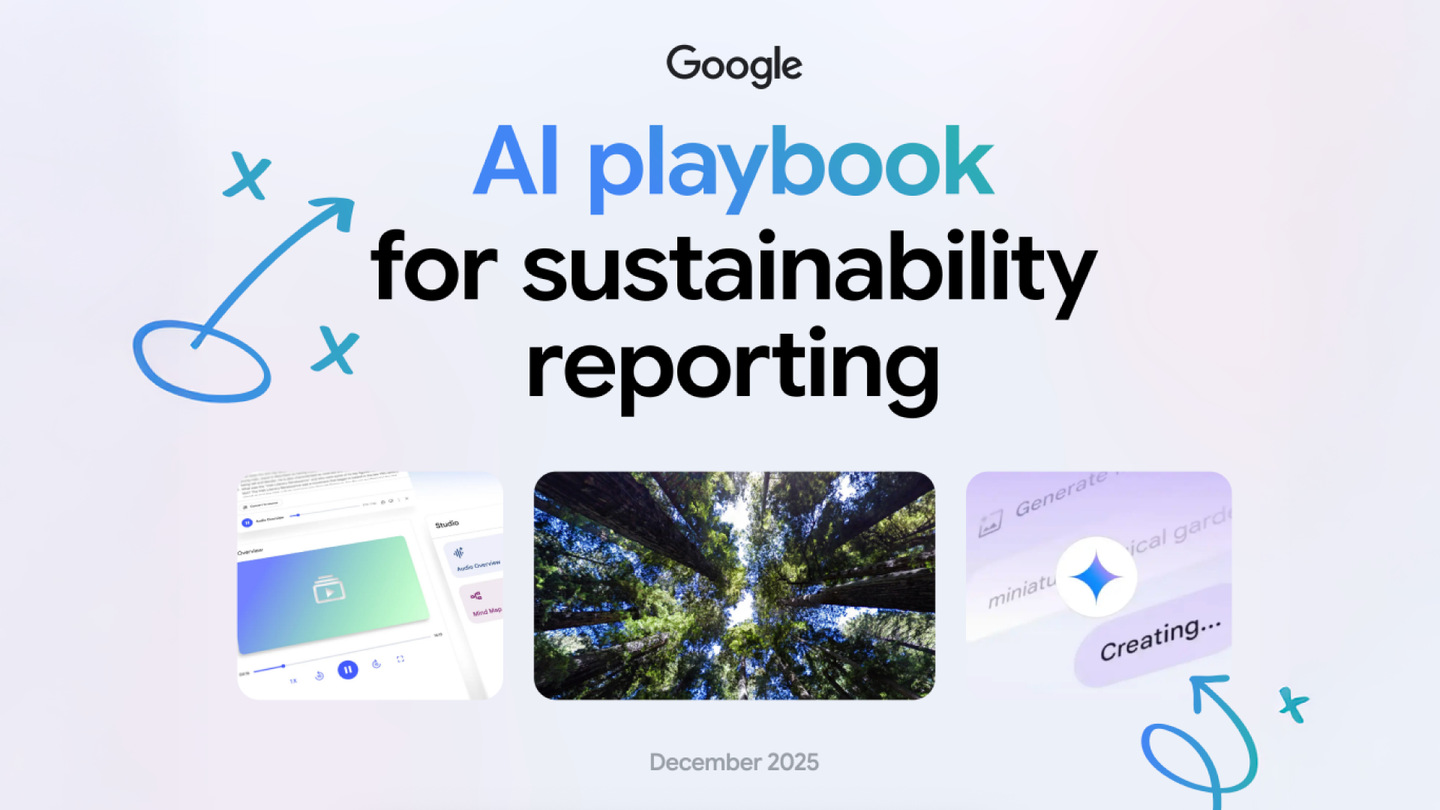
Harnessing AI for Streamlined Sustainability Reporting
In the modern corporate world, transparency is not just a trend but a necessity. As businesses strive to maintain open communication, sustainability reporting has become a core component of corporate responsibility. However, the path to effective and efficient reporting is often impeded by fragmented data and labor-intensive processes. This complexity can divert attention and resources away from the strategic initiatives that truly drive sustainability forward. Recognizing these challenges, a new resource has emerged to bridge this gap: the AI Playbook for Sustainability Reporting.
Introducing the AI Playbook
The AI Playbook for Sustainability Reporting is a comprehensive guide aimed at transforming the way organizations approach their environmental disclosures. Developed over two years of practical application and refinement, this toolkit seeks to demystify the integration of artificial intelligence into sustainability reporting processes. By sharing insights gained from firsthand experience, the playbook offers a roadmap for organizations to enhance their reporting efficiency and effectiveness.
Key Features of the Playbook
At its core, the AI Playbook is designed to transition organizations from theoretical discussions about AI to tangible implementations. Here are some of the key components included in this hands-on toolkit:
- Systematic Framework for Auditing Processes: The playbook provides a structured approach to examining and refining existing reporting processes. This framework can help organizations identify inefficiencies and areas for improvement, laying the groundwork for AI integration.
- Prompt Templates for Common Tasks: Recognizing the repetitive nature of certain reporting tasks, the playbook includes a collection of starter pack prompt templates. These templates are tailored to assist with frequent reporting activities, streamlining the workflow and reducing manual effort.
- Real-World Examples and Case Studies: To illustrate the practical application of AI tools, the playbook offers examples of how teams can leverage technologies like Gemini and NotebookLM. These case studies demonstrate how AI can be used to validate claims and respond to inquiries with greater speed and accuracy.
The Role of AI in Sustainability Reporting
Artificial intelligence holds significant potential to revolutionize sustainability reporting. By automating data collection and analysis, AI can reduce the time and resources required for reporting, allowing organizations to focus on more strategic initiatives. Furthermore, AI can enhance the accuracy and reliability of reports, providing stakeholders with more trustworthy information.
For instance, AI algorithms can quickly process large volumes of data from various sources, identifying patterns and insights that might be missed by human analysts. This capability not only improves the quality of reports but also enables organizations to make more informed decisions about their sustainability strategies.
Practical Applications and Benefits
The practical applications of AI in sustainability reporting are vast. Here are some examples of how organizations can benefit from integrating AI into their reporting processes:
- Automated Data Collection: AI can automate the collection of data from diverse sources, reducing the time and effort required for manual data entry.
- Enhanced Data Analysis: With AI, organizations can conduct more comprehensive analyses of their data, uncovering insights that can inform their sustainability strategies.
- Improved Report Accuracy: AI can enhance the accuracy of sustainability reports by identifying errors and inconsistencies in the data.
- Faster Response Times: By automating routine inquiries, AI can help organizations respond to stakeholder questions more quickly and efficiently.
How to Get Started with the Playbook
Organizations interested in leveraging AI for sustainability reporting can begin by exploring the AI Playbook for Sustainability Reporting. The playbook is accessible online and offers a step-by-step guide to integrating AI into existing processes. By following the guidelines and utilizing the resources provided, organizations can streamline their reporting efforts and unlock the full potential of AI.
Feedback and Continuous Improvement
As with any new initiative, feedback is crucial for continuous improvement. Organizations are encouraged to dive into the playbook and share their experiences and suggestions. By collaborating and sharing insights, the community can collectively enhance the effectiveness of AI in sustainability reporting.
In conclusion, the AI Playbook for Sustainability Reporting offers a valuable resource for organizations looking to enhance their transparency and efficiency. By embracing AI, businesses can not only improve their reporting processes but also drive meaningful progress in their sustainability initiatives. As the corporate world continues to evolve, tools like the AI Playbook will be essential for staying ahead in the pursuit of sustainable business practices.
For more Information, Refer to this article.