
























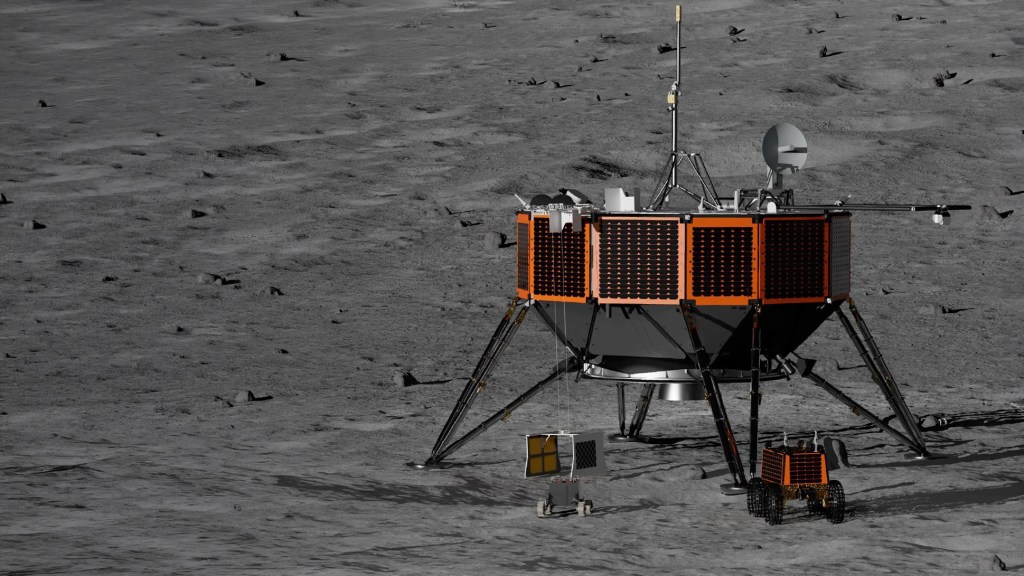
NASA recently discussed plans to increase the frequency of robotic lunar lander missions in a recent event. However, there was little mention of expediting the development of crewed lunar landers.
The space agency’s focus on ramping up robotic missions to the moon is part of a broader strategy to establish a sustainable presence on the lunar surface. By sending more robotic landers, NASA aims to gather crucial data and test technologies that will pave the way for future crewed missions.
While robotic missions serve as valuable precursors to crewed missions, the timeline for sending astronauts back to the moon remains uncertain. NASA has been working on the Artemis program, which aims to land the next man and the first woman on the moon by 2024. However, delays and budget constraints have raised questions about the feasibility of this ambitious timeline.
One of the key challenges in accelerating crewed lunar lander development is the complexity of designing spacecraft that can safely transport astronauts to and from the lunar surface. Unlike robotic landers, crewed vehicles need to account for human factors such as life support systems, radiation protection, and crew comfort.
Despite the hurdles, NASA remains committed to advancing its lunar exploration goals. The agency has been working with commercial partners to develop innovative solutions for lunar transportation, including reusable landers and in-situ resource utilization technologies.
In a recent statement, NASA Administrator Bill Nelson emphasized the importance of setting clear goals and timelines for lunar exploration. He highlighted the need for a “shots on goal” approach, where the focus is on making progress through iterative testing and development.
While the path to accelerated lunar landings may be challenging, NASA’s efforts reflect a broader commitment to expanding human presence beyond Earth. By leveraging the expertise of both government and commercial partners, the agency hopes to overcome technical and logistical barriers to lunar exploration.
As the space agency continues to refine its plans for lunar missions, stakeholders are closely watching for updates on crewed lander development. The success of NASA’s efforts could have far-reaching implications for the future of space exploration and the eventual establishment of a sustainable presence on the moon.
Overall, NASA’s push to accelerate lunar landings underscores the agency’s unwavering commitment to pushing the boundaries of human exploration. While the road ahead may be long and challenging, the promise of unlocking the mysteries of the moon and beyond remains a powerful motivator for the space agency and its partners.
For more Information, Refer to this article.