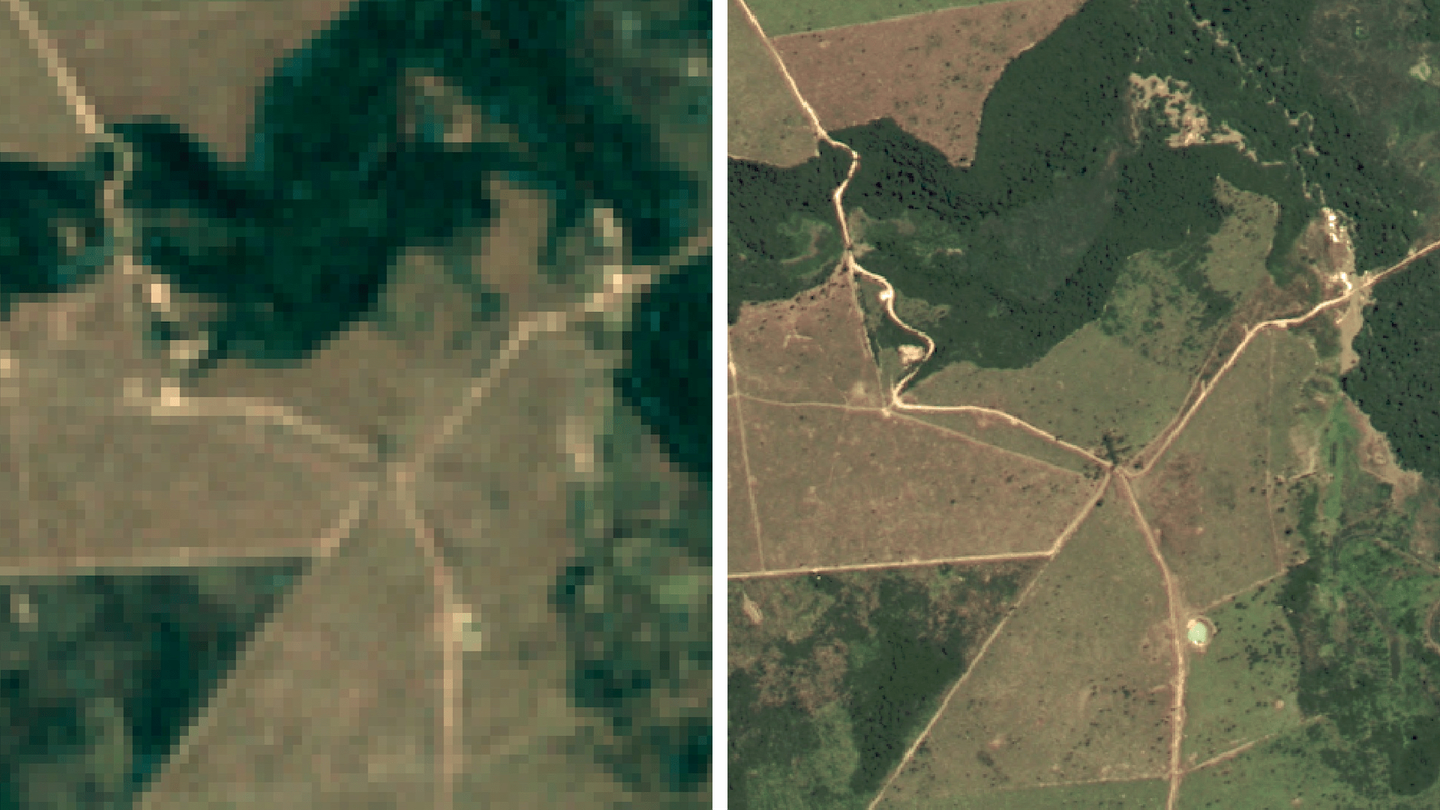
In the early 2000s, Brazil was facing a critical issue of record deforestation, leading to loss of biodiversity and increased temperatures. To aid in the conservation efforts and protection of the country’s forests, a strategic partnership was formed between the government of Brazil and a leading tech company. This collaboration resulted in the creation of the first highly detailed satellite imagery map of Brazil’s landscape, capturing a snapshot of the situation during that period.
The innovative technology used in this project provides local authorities with a powerful tool to accurately assess their efforts in combating deforestation. This valuable data is now accessible to the public through platforms like Google Earth and Earth Engine, allowing for broader awareness and utilization of the information.
The process of generating this map involved analyzing thousands of historical satellite images, meticulously removing cloud cover, and enhancing color accuracy. The resulting imagery is remarkably precise, offering up to six times more detail than previously available data. This enhanced level of detail enables authorities to identify specific areas where deforestation has taken place, facilitating better monitoring of progress and implementation of effective measures.
By utilizing this advanced satellite imagery, authorities can now pinpoint the exact locations of deforestation activities, enabling them to track changes over time and make informed decisions on conservation strategies. This level of insight was previously unattainable, highlighting the significance of this technological advancement in environmental conservation efforts.
Furthermore, the availability of this detailed map on platforms like Google Earth and Earth Engine opens up possibilities for researchers, conservationists, and the general public to explore and analyze the data for various purposes. This democratization of information plays a crucial role in raising awareness about deforestation issues and fostering collective action towards environmental preservation.
In addition to its practical applications for monitoring deforestation, this high-resolution satellite imagery also serves as a valuable resource for environmental research and education. Researchers can utilize this data to study changes in land cover, habitat fragmentation, and ecosystem dynamics, providing valuable insights into the impact of deforestation on the environment.
Overall, the creation of this detailed satellite imagery map marks a significant milestone in the ongoing efforts to combat deforestation in Brazil. By harnessing the power of technology and collaboration, stakeholders now have access to a valuable tool that can drive more effective conservation strategies and contribute to the preservation of Brazil’s precious forests for future generations.
For more Information, Refer to this article.